The Largest and Smallest Municipalities in Norway: There Are Some Surprises on the List
Norway is the longest and narrowest country in Europe, currently home to over 5.5 million people. Decades ago, Norwegian territory was divided into smaller administrative units: counties and the municipalities within them.
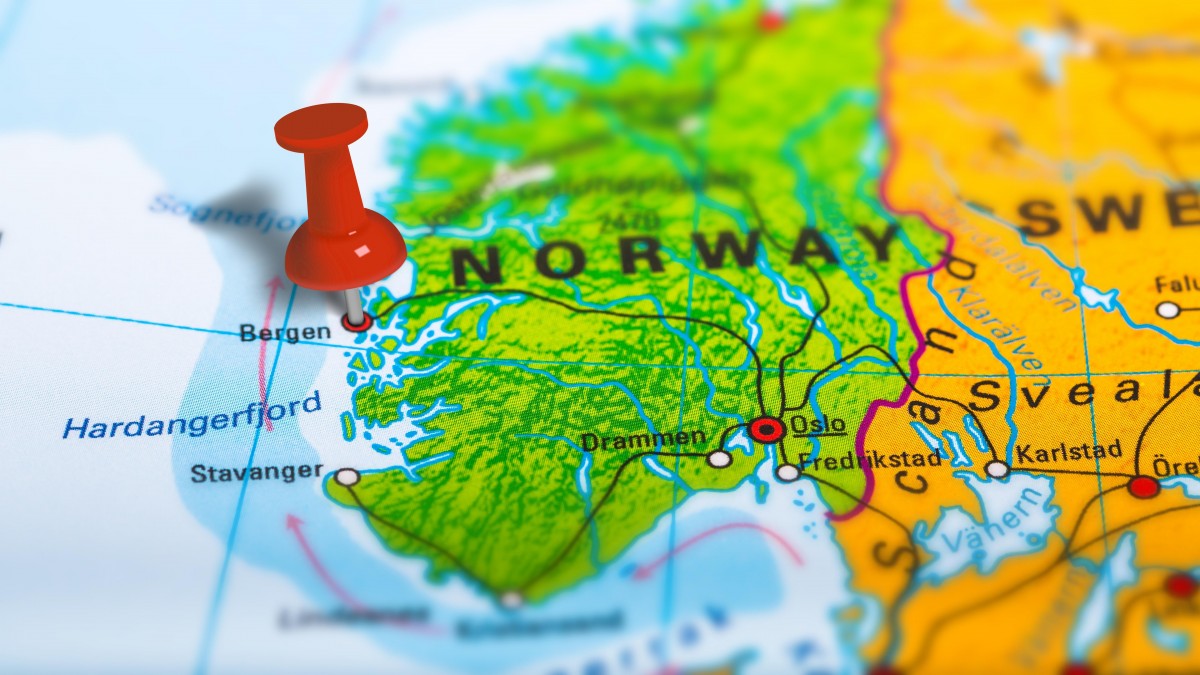
The Norwegian municipality system is organized by numbers that identify each municipality.
stock.adobe.com/licencja standardowa
Norwegian administrative units differ from each other both in terms of area size and population density. Which are the largest and which are the smallest?
A Giant Without Surprises
This probably comes as no surprise: the capital municipality is the largest in Norway. In 2023, the city of Oslo alone had over 709,000 residents, and the entire metropolitan area had as many as 1,064,235 inhabitants in 2022. For comparison, the next most populated municipalities, Bergen and Trondheim, had 289,330 and 212,660 residents, respectively. Over the past 20 years, the population of the area has increased by 35.8 percent.
Although Oslo is the capital of Norway and the most populated city and municipality, it is also the smallest county in the country in terms of area, measuring 424 square kilometers. Additionally, Oslo is also one of the oldest cities in the country.
On the opposite end of the ranking is Utsira. This is an island in the North Sea in Rogaland county, which gained municipality status in 1924 when the then-municipality of Torvastad was divided. According to statistics, in 2022 its little more than 6 square kilometers were inhabited by only 188 people. For comparison, the next least populated municipalities, Modalen (Vestland) and Træna (Nordland), had 378 and 465 permanent residents, respectively, in 2021.
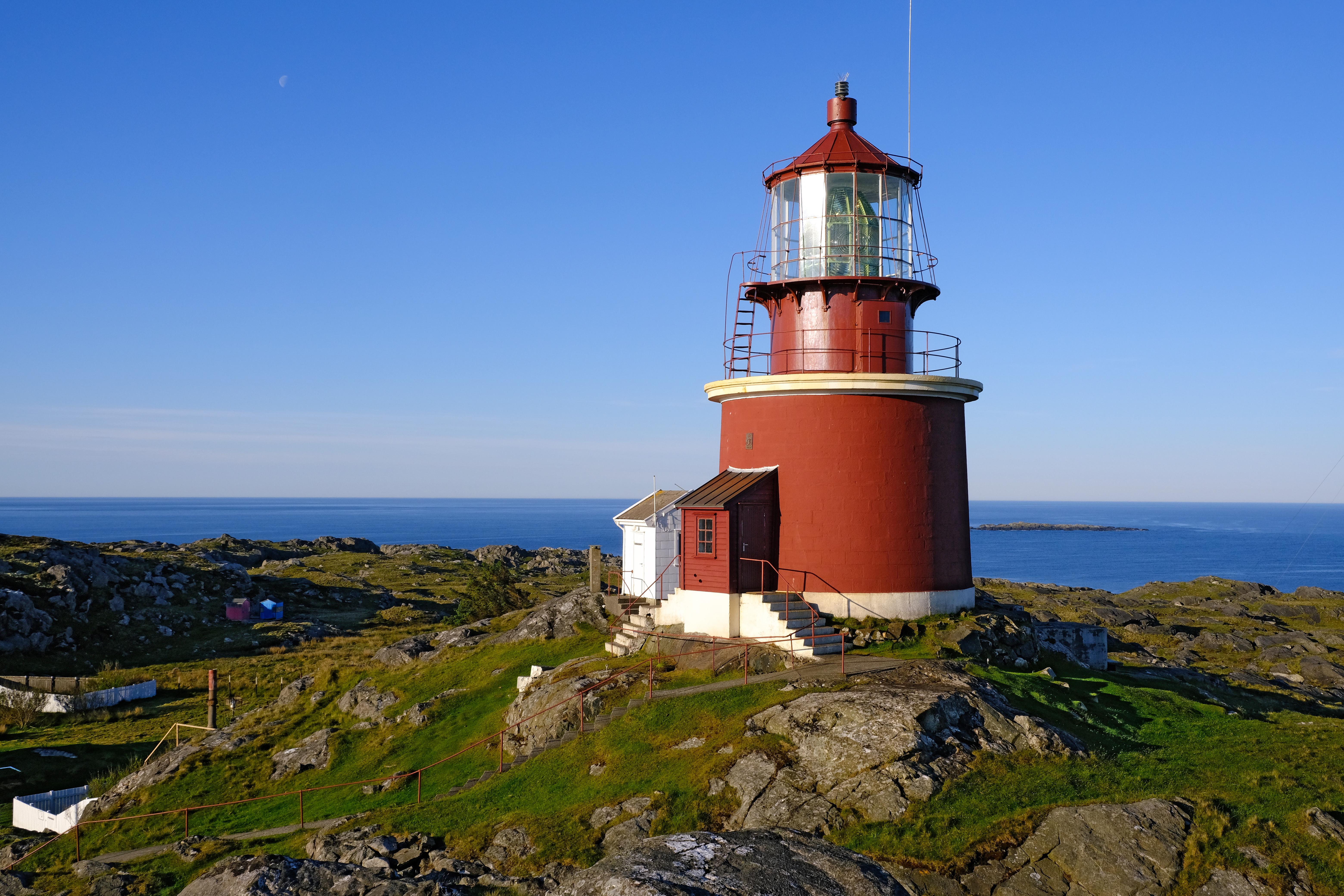
Boats travel from Utsira to Haugesund 3-4 times a day.stock.adobe.com/standard license
The Utsira Lighthouse, built in 1844, boasts the highest light elevation among Norwegian lighthouses, standing 68 meters above sea level. Boats travel from Utsira to Haugesund 3-4 times a day. The municipality is considered a paradise for birdwatchers and street art enthusiasts.
Large, But Not Necessarily Crowded
Norway is a country of vast spaces and stretches of untouched nature, which are also included in the territory of the land of fjords. So, if you focus not on population but on the area of administrative units, the list of Norway's largest municipalities looks different. In terms of area, Kautokeino comes first, considered the cultural capital of the northern Sami region. It covers 9,707 square kilometers.
Also in Troms og Finnmark county is Karasjok, the second largest municipality, although its area is significantly smaller (5,452 square kilometers), and the ranking is closed by another far northern municipality, Porsanger, with an area of 4,872 square kilometers. Both are also historically and culturally connected to the Sami people, the indigenous inhabitants of Norway.
Kvitsøy, on the other hand, is the smallest municipality in Norway in terms of area (6.3 km²) and the eighth smallest in terms of population (523 residents). It is located in Rogaland county at the entrance to Boknafjorden.
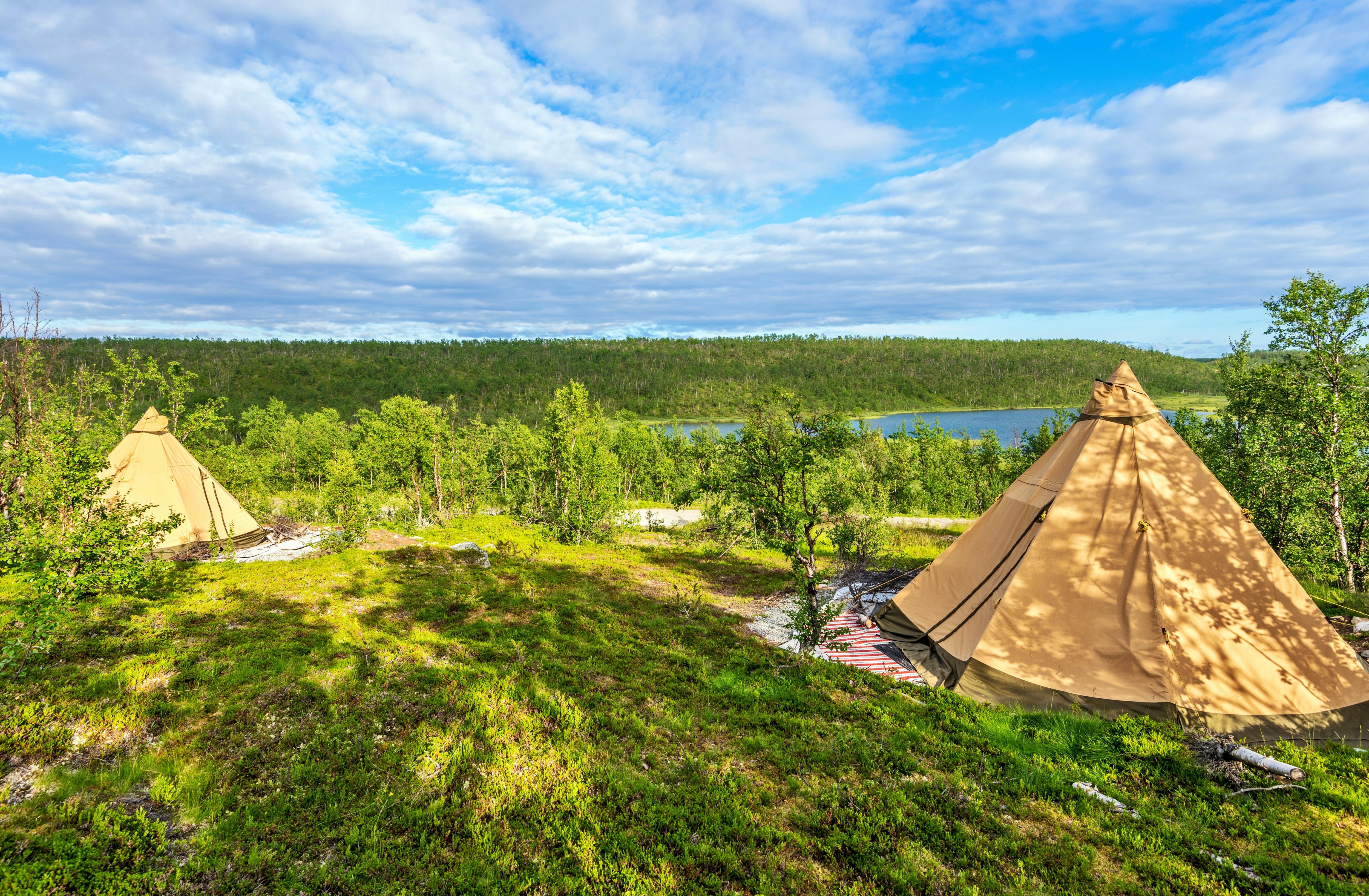
In terms of area, Kautokeino comes first, considered the cultural capital of the northern Sami region.Source: stock.adobe.com/standard license
Interestingly, the municipality boasts a Lobster Museum, located in a seaside house built during the heyday of lobster fishing in Kvitsøy. It was opened by King Harald in 2001.
Municipality Numbers
The Norwegian municipality system is organized by numbers that identify each municipality. It consists of four digits and is used to uniquely specify a municipality, for example in relation to statistics or administrative tasks. Other countries have similar systems.
Municipality numbers in Norway were introduced during the 1946 census. Municipalities that were dissolved before 1946 were also assigned numbers for use in, among other things, population statistics. Most municipalities received new numbers in 2020 in connection with the local government reform and changes in municipal or county affiliations.
How do you rate this article?