The increase in salmon numbers in Norway is surprising. Fierce debate continues over the real causes
New data from 149 rivers in Norway show an increase in the number of salmon and sea trout. However, in some regions, the trend remains downward. Experts warn against excessive optimism.
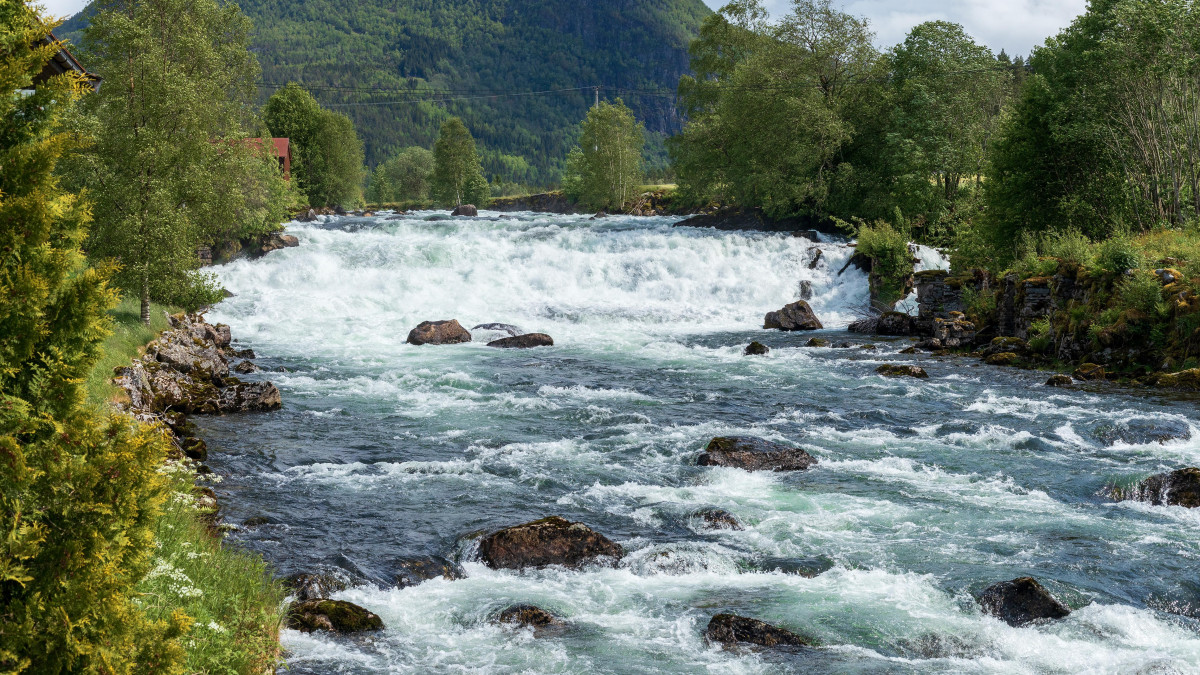
Long-term forecasts for salmon remain uncertain.
Fot. Simo Räsänen, CC BY-SA 4.0, via Wikimedia Commons
The Norwegian Institute for Nature Research has compiled the results of spawning fish counts into a single database. It covers rivers from Agder to Finnmark. The results are varied, but much of the coastline shows improvement. Increases have been recorded in Vestland, Trøndelag, and Troms og Finnmark. At the same time, the situation has worsened in Rogaland and Møre og Romsdal.
Local actions are bringing results
A clear increase in young salmon and sea trout has been observed in Sunnfjord. Riverbed work has been carried out in the Nausta and Gaula rivers. Sediments were removed and gravel spawning grounds restored. Fish passes were also built and stones placed for fry. Most of the work was carried out by volunteers.
The effects are visible in the number of young fish. Representatives of the Norwegian Association of Hunters and Anglers (NJFF) point to the effectiveness of so-called "environmental design." They emphasize the importance of these actions for the future of the population. Thousands of hours have been spent working in Nausta. Some rivers have seen a clear increase in fry production.
The effects are visible in the number of young fish. Representatives of the Norwegian Association of Hunters and Anglers (NJFF) point to the effectiveness of so-called "environmental design." They emphasize the importance of these actions for the future of the population. Thousands of hours have been spent working in Nausta. Some rivers have seen a clear increase in fry production.
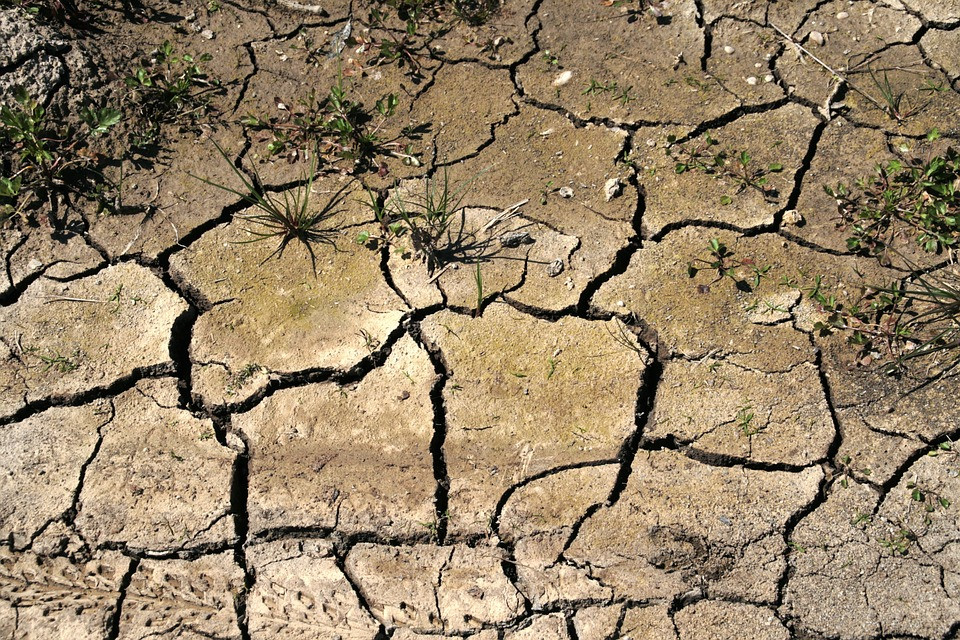
Droughts limit water flow in some rivers.Photo: pixabay.com / kamerman1960 / CC0 Creative Commons
Debate over causes and the role of aquaculture
At the same time, there is an ongoing debate about the causes of these changes. The aquaculture industry points to improvements in regions with intensive fish farming, highlighting a 26 percent increase in Vestland since 2019. They claim that efforts in rivers are underestimated and call for a broader approach to data and greater involvement of various expert groups.
Organizations focused on wild salmon present a different view. They point out that 2025 was the second worst year in the history of river fishing. According to them, the greatest threat remains the salmon louse from fish farms. Scientists emphasize that it is still too early to make a final assessment of the trend. Some of the increase may be due to earlier returns of fish from the sea.
Organizations focused on wild salmon present a different view. They point out that 2025 was the second worst year in the history of river fishing. According to them, the greatest threat remains the salmon louse from fish farms. Scientists emphasize that it is still too early to make a final assessment of the trend. Some of the increase may be due to earlier returns of fish from the sea.
The discussion is moving to the political level. The "traffic light" system for aquaculture is based on parasite pressure models. Parliament expects a broader knowledge base and the involvement of various scientific communities. At the same time, there is a need for river actions, parasite control, and ensuring adequate water flows. The direction of changes may affect future decisions regarding production and the protection of wild salmon populations.
How do you rate this article?