The Hidden Trace of COVID-19. Norwegian Study Points to Important Health Changes
A new Norwegian study links COVID-19 infection with an increased risk of invisible heart strain. Researchers found this signal in blood samples from thousands of people after the pandemic. The key finding is a rise in troponin levels, a protein indicating stress or damage to heart cells.
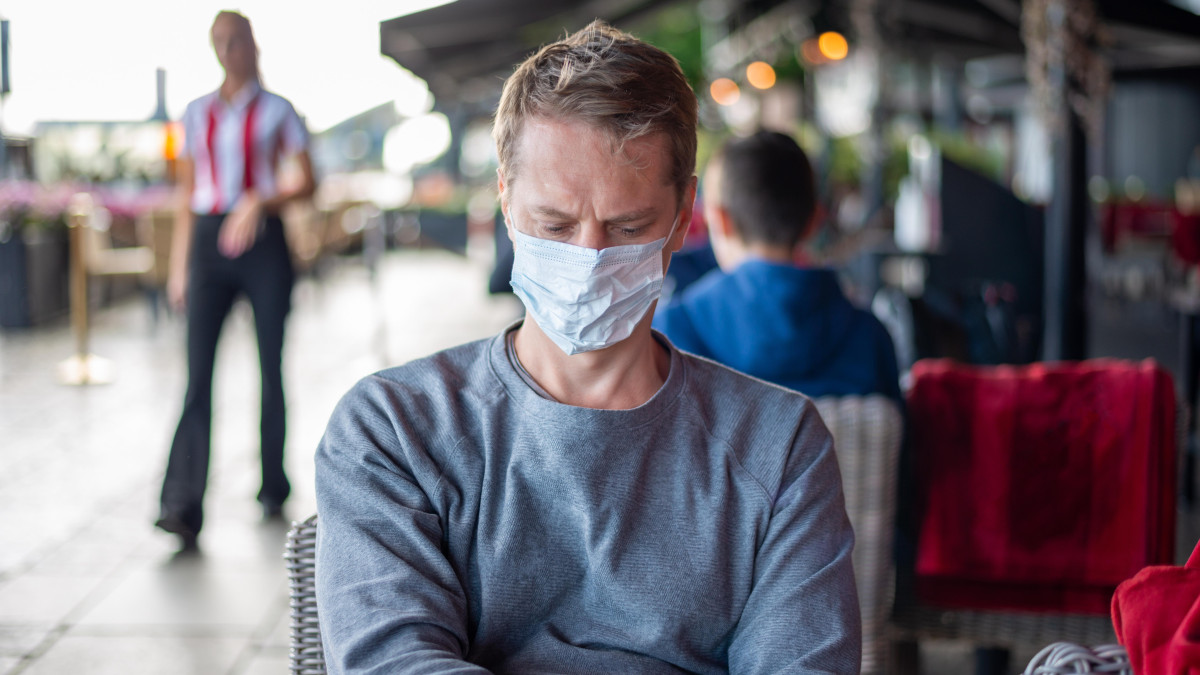
Changes were also observed among younger study participants.
Fot. stock.adobe.com/licencja standardowa
The results are based on data from the Trøndelag Health Study (HUNT), which included nearly 20,000 healthy residents of the region who were monitored for several years. Scientists compared blood samples taken shortly before the pandemic with those collected later, allowing them to check for changes after COVID-19 infection.
Professor and physician Torbjørn Omland from the University of Oslo (UiO) and Akershus University Hospital (Ahus) says that the measurements indicate a possible increase in heart damage after the pandemic. According to him, the data suggests a link with COVID-19. The study was published in the journal "European Journal of Preventive Cardiology."
Professor and physician Torbjørn Omland from the University of Oslo (UiO) and Akershus University Hospital (Ahus) says that the measurements indicate a possible increase in heart damage after the pandemic. According to him, the data suggests a link with COVID-19. The study was published in the journal "European Journal of Preventive Cardiology."
Hidden Signal. The Heart Is Strained After COVID-19
Troponin is a marker of heart stress. When heart muscle cells are damaged or heavily strained, the protein enters the bloodstream. Omland points out that increased troponin levels are associated with a higher risk of future heart diseases, mainly heart failure, but also heart attack and stroke.
In the study, troponin levels increased by an average of 4 percent in people who had COVID-19. For some participants, the increase was much higher. People after infection were 17 percent more likely to experience a 50 percent or greater rise in troponin. Changes were also detected in younger participants.
In the study, troponin levels increased by an average of 4 percent in people who had COVID-19. For some participants, the increase was much higher. People after infection were 17 percent more likely to experience a 50 percent or greater rise in troponin. Changes were also detected in younger participants.
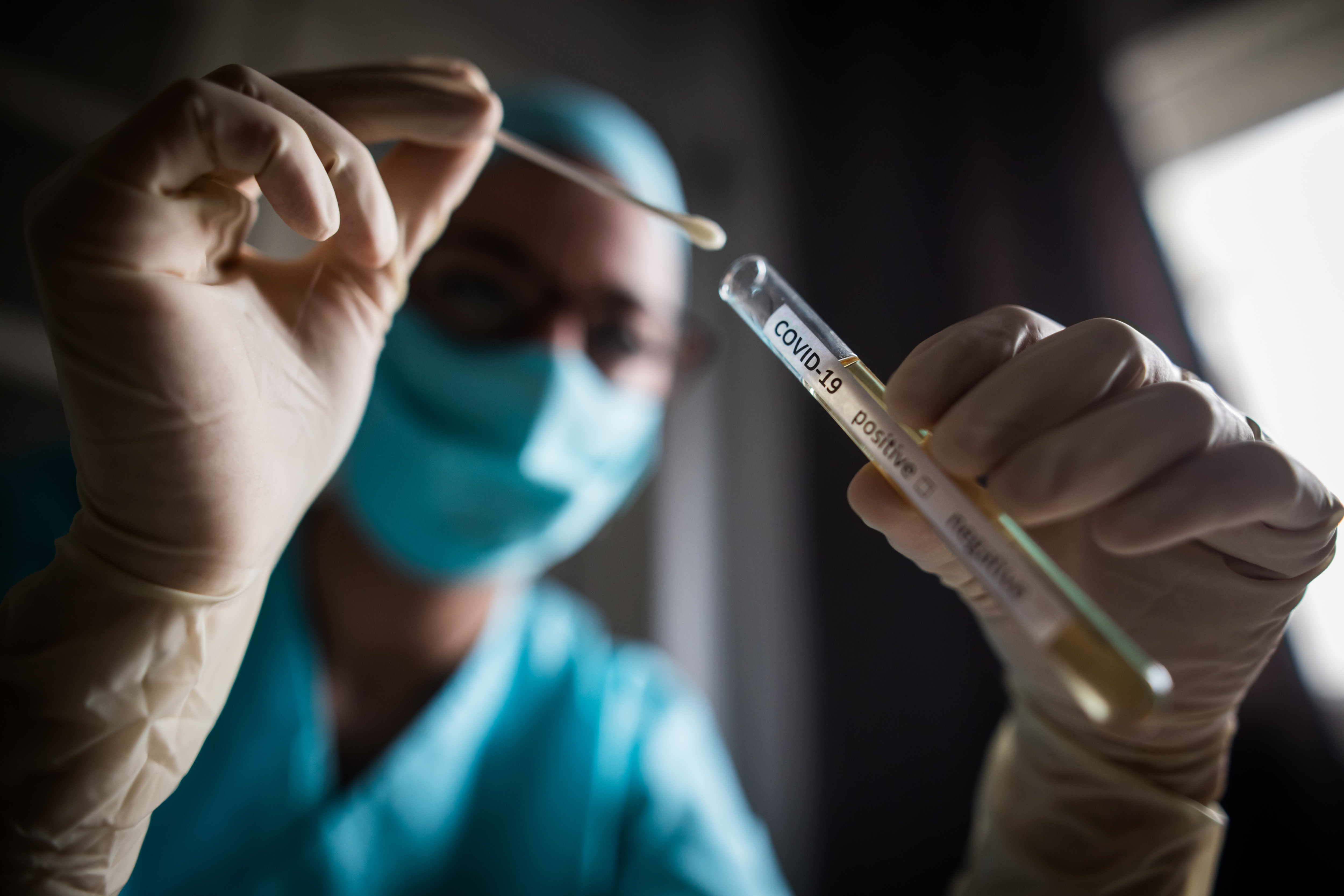
Norway was among the countries with some of the strictest COVID restrictions in the world.Photo: stock.adobe.com/standard license
Cautious Interpretation. More Data Needed for Concrete Conclusions
The Norwegian Institute of Public Health (FHI) is monitoring the research results but advises caution. Hanne Gulseth from FHI assesses that current knowledge does not yet allow us to conclude that COVID-19 increases the long-term risk of heart disease. She emphasizes that the study does not show whether the change is permanent or temporary. The significance of small subclinical changes in an individual remains uncertain.
Gulseth also points to other possible causes of increased troponin, including heart disease, sepsis, chronic kidney disease, intense physical exertion, certain medications, and psychoactive substances. Omland responds that the analyses took other factors into account. According to him, COVID-19 remains the most likely explanation for the observed phenomenon.
Gulseth also points to other possible causes of increased troponin, including heart disease, sepsis, chronic kidney disease, intense physical exertion, certain medications, and psychoactive substances. Omland responds that the analyses took other factors into account. According to him, COVID-19 remains the most likely explanation for the observed phenomenon.
Researchers do not currently recommend mass troponin testing after infection. Omland notes that a single result, without a pre-pandemic baseline, is difficult to interpret properly. However, he adds that with a large number of infections, even small changes may be significant for public health.
How do you rate this article?