Should E-scooter Riders Have Liability Insurance? Norway Raises a Major Issue
Nearly 2 out of 3 private electric scooters in Norway do not have mandatory liability insurance. This is according to estimates from the insurance company Tryg Forsikring (Tryg). The company warns that if an accident occurs, the owner of an uninsured vehicle may be held responsible for the costs of damages.
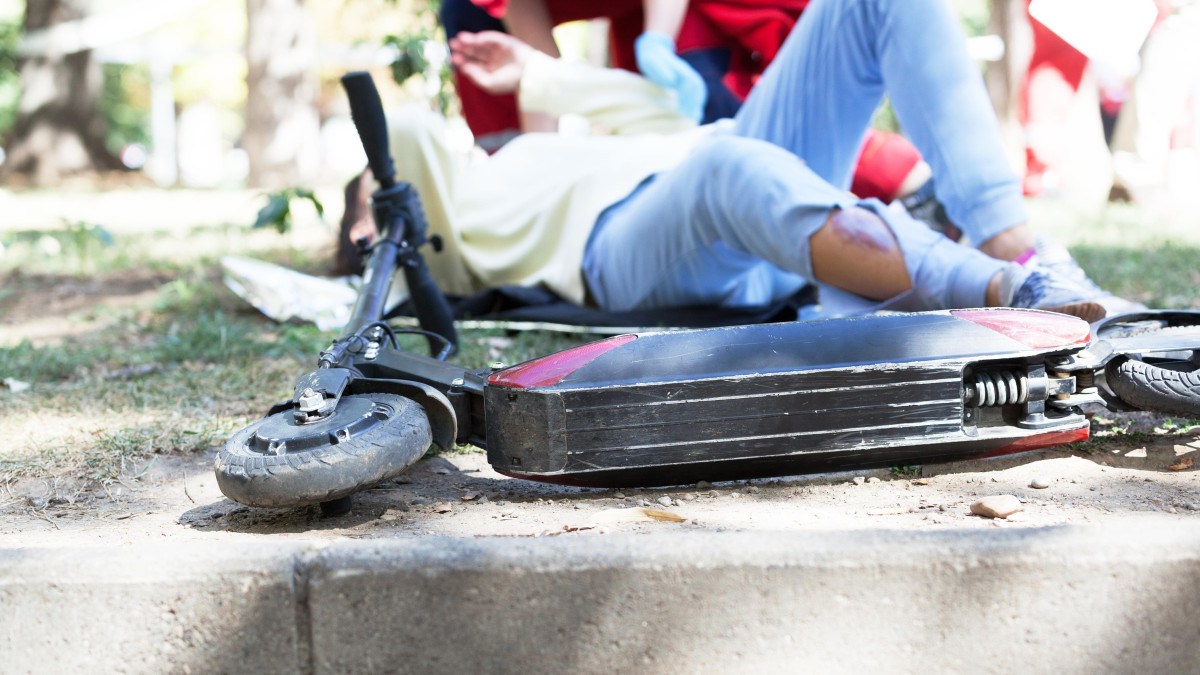
The Norwegian government has repeatedly changed the rules for using electric scooters, making them more restrictive.
Fot. stock.adobe.com/licencja standardowa
During the spring and summer seasons, more private electric scooters appear on the roads. According to the insurance company Tryg, despite the obligation to have liability insurance, a large proportion of these vehicles still remain uninsured. Riding without a policy is punishable. The issue also concerns the risk of fire while charging.
Riding an Uninsured Scooter Is a Risk. Tryg Highlights Post-Accident Costs
Tryg points out the financial risks after an accident. The owner of an uninsured scooter may be liable for personal injury costs if they cause an incident on the road. These costs can be significant. The company links the problem to the growing number of private vehicles used after the winter season.
Regulations require liability insurance for electric scooters. Tryg reports that despite this, nearly 2 out of 3 such vehicles are uninsured. Using them is then a criminal offense. According to the company, many owners still have not protected themselves against the consequences of damages.
Regulations require liability insurance for electric scooters. Tryg reports that despite this, nearly 2 out of 3 such vehicles are uninsured. Using them is then a criminal offense. According to the company, many owners still have not protected themselves against the consequences of damages.
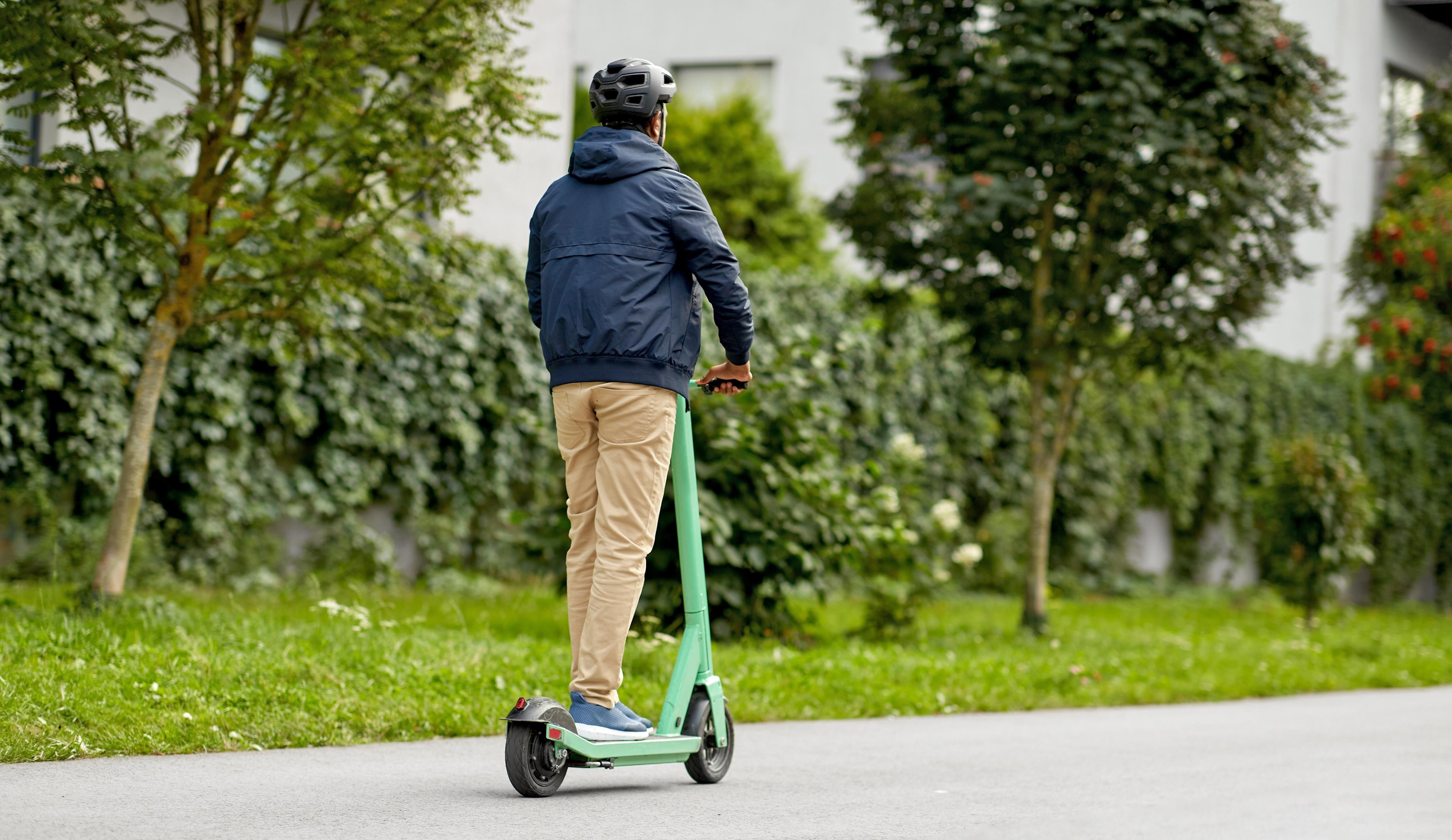
Riding an electric scooter is strictly regulated by Norwegian law.Photo: stock.adobe.com/standard license
Charging Your Scooter at Home? These Rules Matter After an Incident
Torbjørn Brandeggen, communications advisor at Tryg, draws attention to batteries. He notes that almost all electric scooters use lithium batteries, which can reignite and spread fire quickly. Such fires can be difficult to extinguish. The latest case was reported in Bergen.
The Directorate for Civil Protection and Emergency Planning (DSB) provides data on interventions. In the past four years, fire and rescue services have responded to 50–70 fires and fire-threatening situations caused by electric scooters and similar vehicles. The risk is especially high during charging. Tryg points out that fire damage may also be the owner's responsibility.
The Directorate for Civil Protection and Emergency Planning (DSB) provides data on interventions. In the past four years, fire and rescue services have responded to 50–70 fires and fire-threatening situations caused by electric scooters and similar vehicles. The risk is especially high during charging. Tryg points out that fire damage may also be the owner's responsibility.
Tryg reminds users about charging rules. Scooters should not be charged at night, unsupervised, near flammable materials, or on evacuation routes. The company recommends using the original charger and disconnecting it once the battery is fully charged.
How do you rate this article?