Prohibition in Norway: From Drunkenness to Alcohol Tourism
For over 100 years, the inhabitants of the land of fjords have been struggling with restrictions on the purchase of high-proof alcohol. The decision introduced in the last century is rooted in Norway's history, which was not without drunkenness and problems with high consumption of vodka and homemade moonshine.
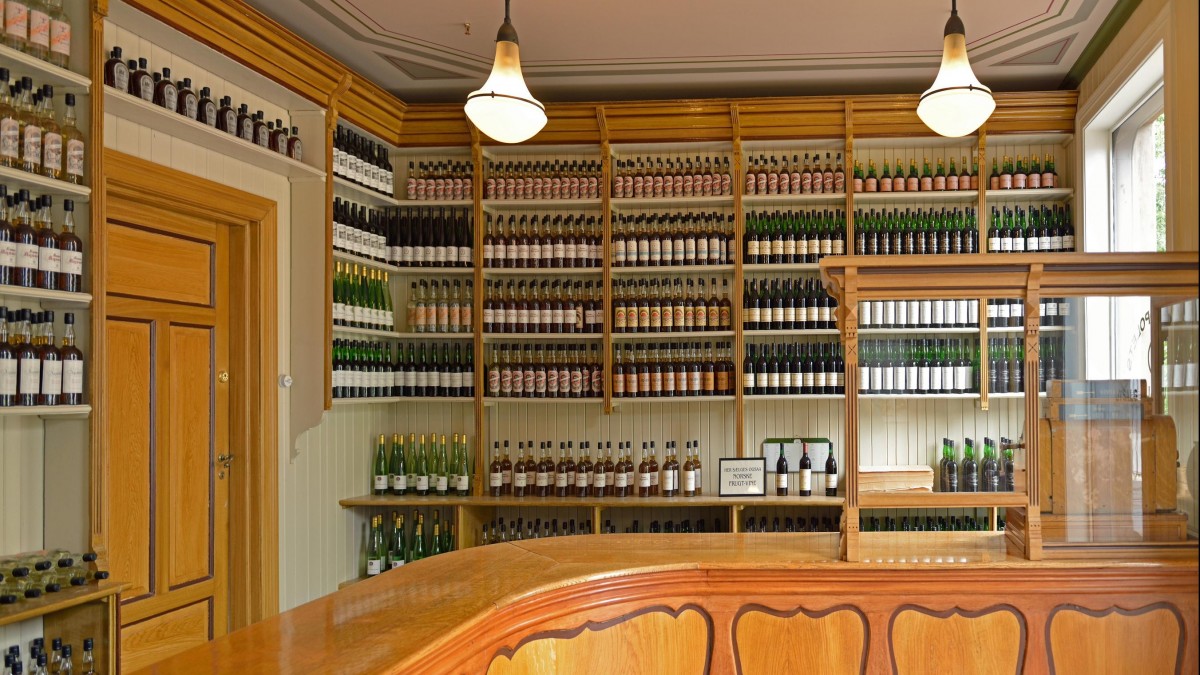
In the photo: Norwegian alcohol shop (1904).
Fot. valeriyap - stock.adobe.com, licencja standardowa
The current "descendants of the Vikings" still follow the law established in 1919. At that time, the Norwegian authorities decided to ban the widespread sale of vodka and other high-proof alcohols. Three years later, the state-owned chain of stores A/S Vinmonopolet was opened, gaining a monopoly on the sale of beverages containing more alcohol than average-quality beer. The sale of vodka was allowed again in 1926, but this time, additional taxes were imposed on the product and advertising was banned. Politicians made this move under public pressure, as previous restrictions had led to the growth of the gray market and the popularization of homemade moonshine.
Vodka in Norway's History
Decisions made by the Norwegian government in the first half of the 20th century have their roots in earlier periods of the state's existence. Until the 17th century, mainly beer was consumed in the land of fjords. With the popularization of high-proof drinks, beverages made from hops and malt lost their value. Vodka and similar spirits were considered medicine.
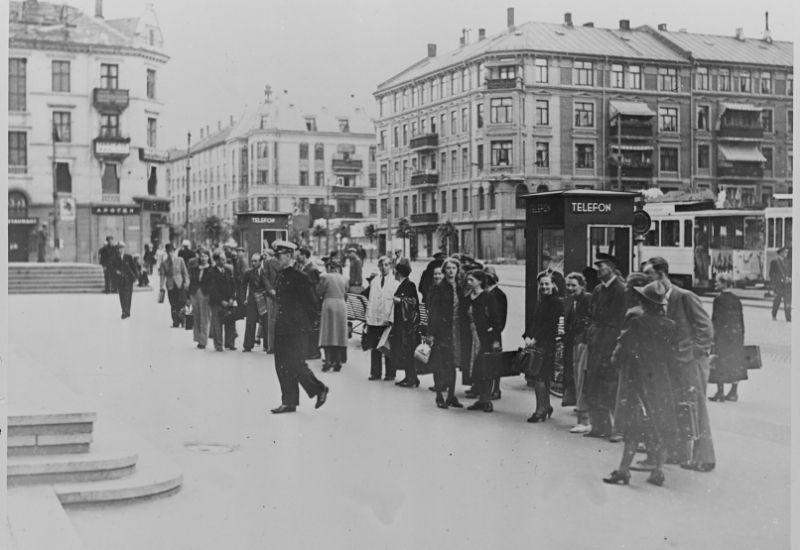
Queue outside Vinmonopolet in Oslo. The photo was taken in 1943, a few minutes before 06:00.Photo: NTB Archive
In 1756, after many years of famine, the Danish authorities introduced a ban on distilling moonshine and vodka in Norway. Sixty years later, after entering into a personal union with Sweden, the regulations were liberalized, resulting in increased alcohol consumption. In the 1830s and 1840s, the average adult in Norway consumed 13 liters of pure alcohol in the form of vodka. The current average for EU countries is 11.3 liters per person. For Norway, it is almost half that.
In the mid-19th century, organizations opposing the consumption and sale of alcohol began to gain influence. Norway tightened laws regarding its production and sale. In some municipalities, obtaining a permit required putting the request to a vote among residents. The efforts of these organizations, which in 1919 included 257,000 out of 2.6 million Norwegians, resulted in the introduction of prohibition in 1919 and the granting of a state monopoly on the sale of alcoholic beverages other than beer.
In the mid-19th century, organizations opposing the consumption and sale of alcohol began to gain influence. Norway tightened laws regarding its production and sale. In some municipalities, obtaining a permit required putting the request to a vote among residents. The efforts of these organizations, which in 1919 included 257,000 out of 2.6 million Norwegians, resulted in the introduction of prohibition in 1919 and the granting of a state monopoly on the sale of alcoholic beverages other than beer.
The law introduced in 1919 was tightened during and after World War II. Alcohol taxes increased to the point that they exceeded half its value. In 1975, a ban on alcohol advertising was introduced, and it was decided that beer with an alcohol content above 4.75% could only be purchased at Vinmonopolet.
On Vacation to... the Bar
Some Norwegians try to circumvent the regulations introduced in the land of fjords. They go for alcohol, among other places, to stores across the Swedish border. They also eagerly shop at duty-free stores at airports and on ferries. Some trips, for example to Denmark and Poland, are associated with so-called alcohol tourism. The purpose of such a journey is to satisfy the desire to drink alcohol at an affordable price. These types of trips often begin and end... in a bar.
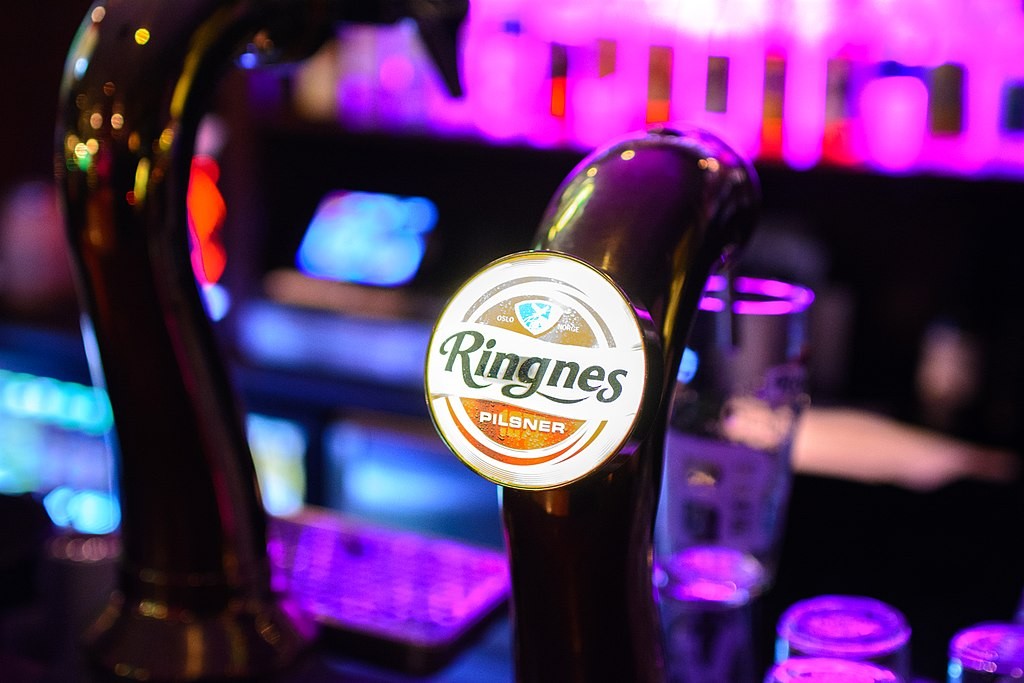
In the land of fjords, people pay 120 percent more for alcohol and tobacco products compared to the EU average. Alcoholic beverages are on average four times more expensive than in Poland.Photo: Aksel Lian, CC BY-SA 4.0, via Wikimedia Commons
According to an analysis by Przegląd Bałtycki, published in April 2019, Norwegian excise tax accounts for 83 percent of the value of spirits in the land of fjords. There are about 315 Vinmonopolet stores in the country. They are closed on all Sundays and holidays, and their operation is also limited on Saturdays. In a traditional market, the customer must settle for a can or bottle of beer.
Sources: SSB, Przegląd Bałtycki, MojaNorwegia.pl
This article was first published in August 2021.
Sources: SSB, Przegląd Bałtycki, MojaNorwegia.pl
This article was first published in August 2021.
How do you rate this article?