Oil prices are falling, but diesel is still expensive. Analyst points out the reasons
Fuel prices in Norway have dropped since Monday, August 3rd, but diesel remains noticeably more expensive than gasoline. On Wednesday morning, the average price of diesel was 20.40 NOK, while gasoline was 18.19 NOK. The market remains influenced by conflicts, limited supply, and a seasonal increase in demand.
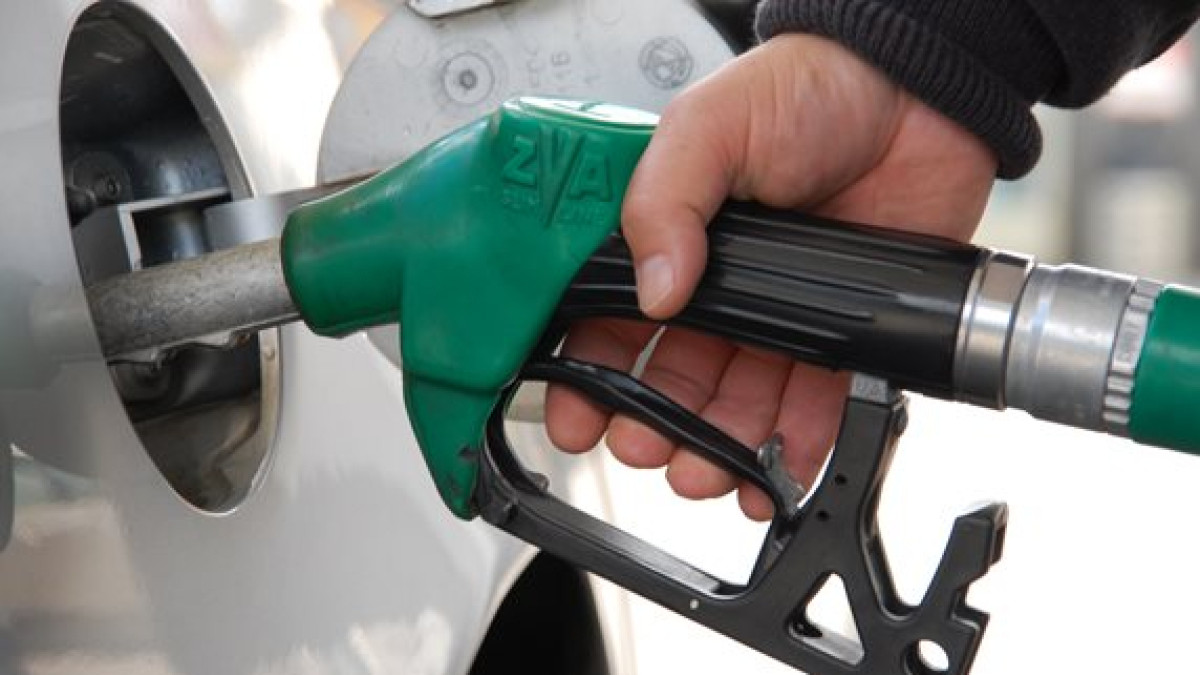
Fuel prices, alongside electricity costs, are among the most frequently discussed economic topics in Norway.
Fot. materiały prasowe NAF
On the morning of August 3rd, prices at Norwegian stations were the highest in weeks. According to data from the Drivstoffappen app, which includes about 1,900 reports from across the country, the average price of diesel then reached 21.08 NOK. Gasoline averaged 18.99 NOK. Two days later, both fuels were already cheaper.
The biggest drop was seen in diesel. By Wednesday morning, its average price had decreased by 0.68 NOK, while gasoline became 0.80 NOK cheaper. However, the difference of more than 2 NOK per liter remained. On the morning of August 5th, the price of Brent crude oil was 78.69 USD per barrel.
The biggest drop was seen in diesel. By Wednesday morning, its average price had decreased by 0.68 NOK, while gasoline became 0.80 NOK cheaper. However, the difference of more than 2 NOK per liter remained. On the morning of August 5th, the price of Brent crude oil was 78.69 USD per barrel.
Diesel exceeded 24 NOK. Differences between stations were significant
On Monday, the most expensive diesel cost 24.61 NOK at the St1 station in Innhavet. At Circle K stations in Harstad and Bergen, as well as YX in Sørvik and Harstad, the price was 24.59 NOK. The same level was also recorded in Steinkjer and Lødingen. Meanwhile, in Horten, Tønsberg, and Holmestrand, a liter of diesel cost just over 18 NOK.
There were also large differences in gasoline prices. The highest prices, reaching 22.17 NOK, were recorded at Esso stations in Førde and YX in Eikemo. In Bangsund, Vadsø, and another station in Vadsø, prices ranged from 21.99 to 22.09 NOK. The cheapest gasoline, ranging from 17.29 to 17.58 NOK, could be found in places such as Krokstadelva, Stjørdal, Slemmestad, and Nesbru.
There were also large differences in gasoline prices. The highest prices, reaching 22.17 NOK, were recorded at Esso stations in Førde and YX in Eikemo. In Bangsund, Vadsø, and another station in Vadsø, prices ranged from 21.99 to 22.09 NOK. The cheapest gasoline, ranging from 17.29 to 17.58 NOK, could be found in places such as Krokstadelva, Stjørdal, Slemmestad, and Nesbru.
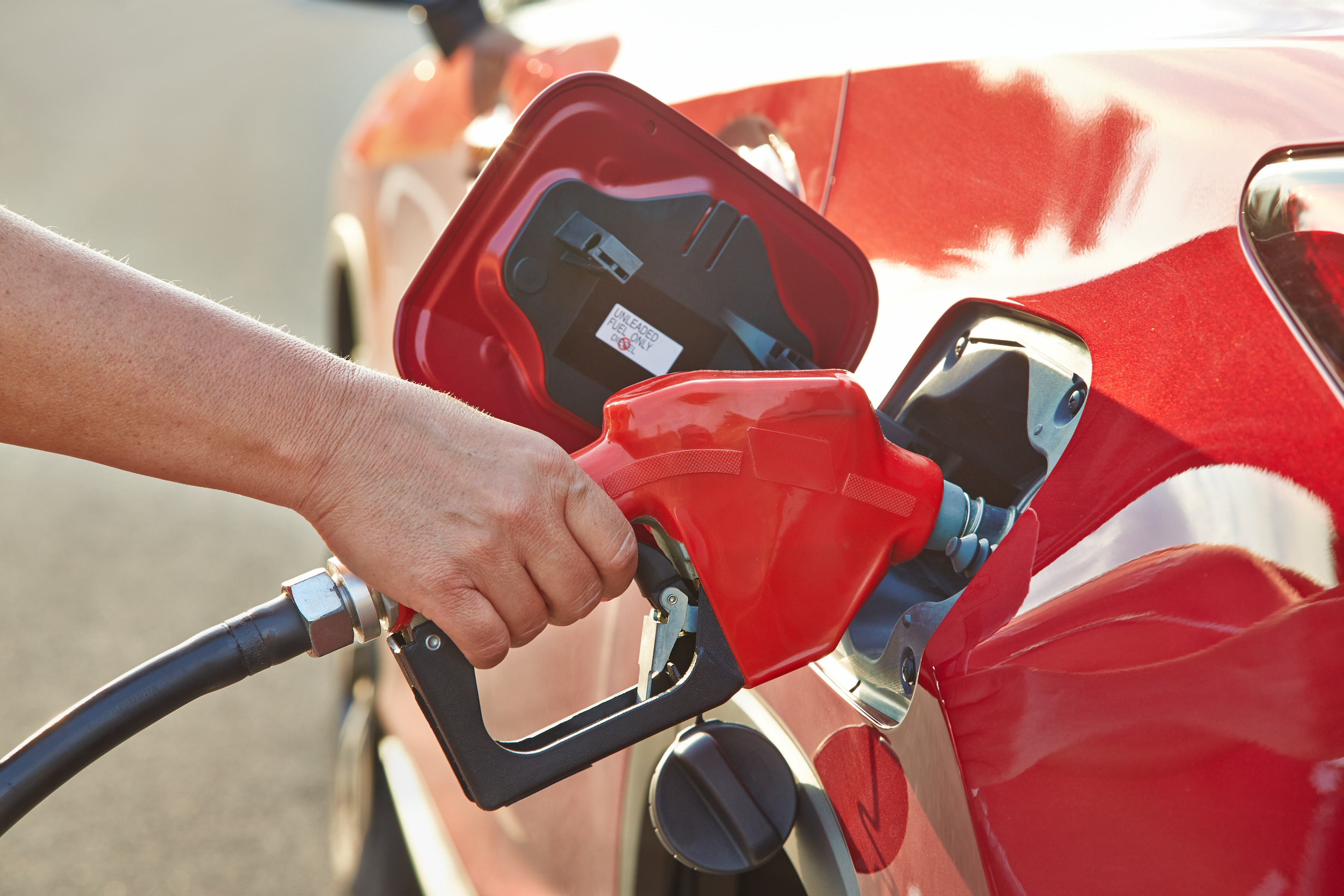
Fuel prices have been one of the most popular topics in Norway for several months.Photo: Fotolia
Diesel supply is tight. Conflicts affect the market
Energy analyst Ole Hvalbye from ABG Sundal Collier points out in Nettavisen the Ukrainian attacks on Russian depots and infrastructure. Russian oil products are subject to European sanctions, but the restriction of their availability still affects the global market. Some countries have to buy diesel from other sources. This increases price pressure even in countries that do not import fuel directly from Russia.
The situation in the Strait of Hormuz is also significant. Through this route, oil and ready diesel accounting for about 25 percent of global production are transported. According to Hvalbye, the current volume of shipments is about one third of the normal level. At the same time, fuel consumption increases in summer, as many countries are in holiday season. Demand for diesel remains particularly high due to the needs of transport and businesses.
The situation in the Strait of Hormuz is also significant. Through this route, oil and ready diesel accounting for about 25 percent of global production are transported. According to Hvalbye, the current volume of shipments is about one third of the normal level. At the same time, fuel consumption increases in summer, as many countries are in holiday season. Demand for diesel remains particularly high due to the needs of transport and businesses.
Another change may come on September 1st. On that day, temporarily reduced fuel taxes are set to return, which could raise prices by more than 4 NOK per liter. Such an increase will not occur only if the Norwegian authorities decide on another extraordinary reduction of charges.
How do you rate this article?