Norwegian scientists make breakthrough discovery. The mystery is thousands of years old
Scientists from the University of Bergen report a discovery deep beneath the Greenland ice sheet. According to them, the ice is much softer than previously assumed. The finding could impact models predicting sea level rise.
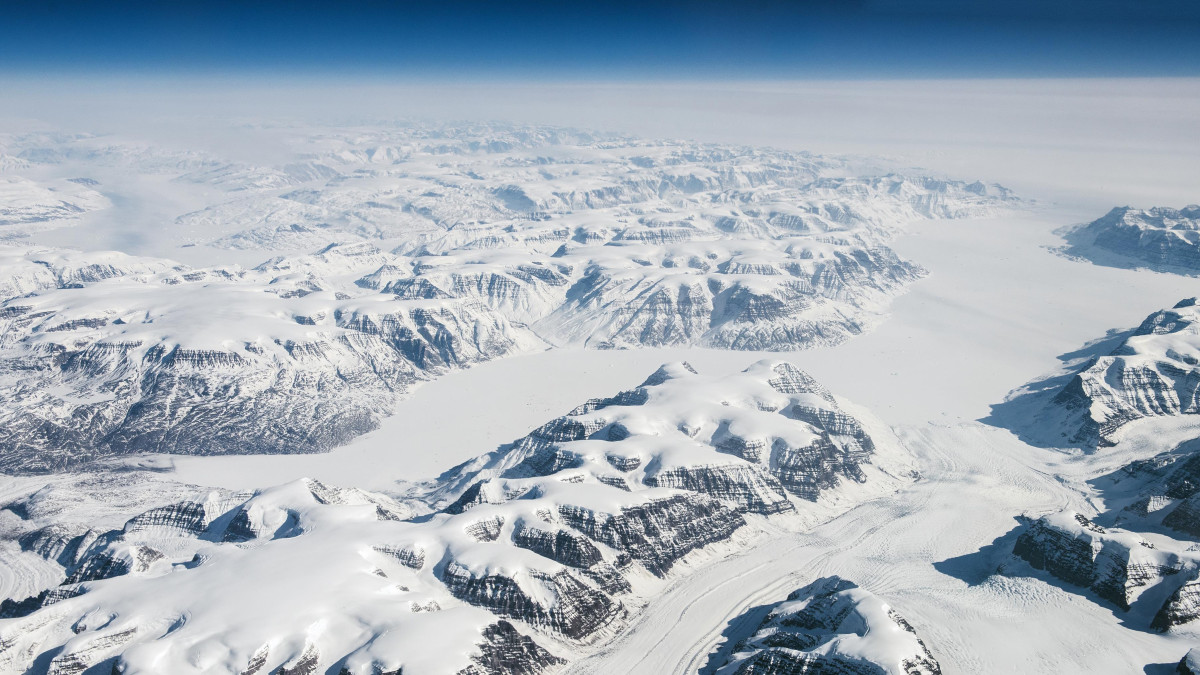
Scientists explain a phenomenon observed for over 10 years.
Fot. Colourbox, za: Universitetet i Bergen (UiB)
Deep within the Greenland ice sheet are enormous, swirling structures known as "plume structures" (so-called plumes). For over a decade, they have puzzled researchers. Now, a team from UiB believes they have explained their origin. The research used mathematics typically applied to describe the movement of continents.
Thermal convection in ice
A new article suggests that the mysterious structures may be a form of convection columns. They are formed by a process called thermal convection—a slow upward and downward movement caused by temperature differences deep within the ice. This phenomenon is usually associated with the Earth's hot mantle beneath the crust.
Researchers emphasize that ice is at least a million times softer than the Earth's mantle. For this reason, the process is physically possible in ice as well. Parts of the Greenland ice sheet display movement resembling slow boiling.
Researchers emphasize that ice is at least a million times softer than the Earth's mantle. For this reason, the process is physically possible in ice as well. Parts of the Greenland ice sheet display movement resembling slow boiling.
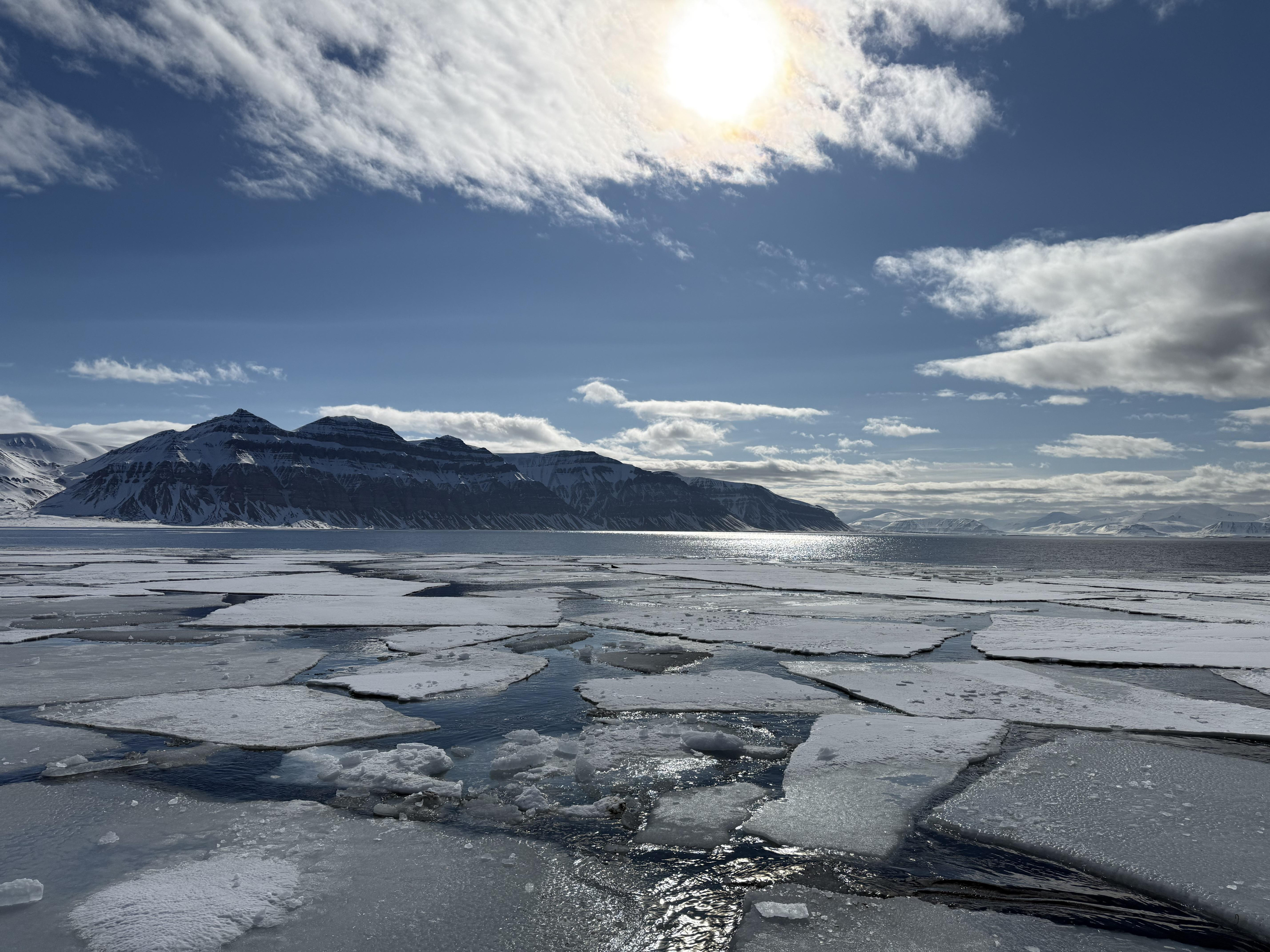
The study took into account the effect of pressure increasing with depth.Photo: Marit Kollstuen/MET
Significance for sea level forecasts
According to the authors, the discovery could improve the accuracy of climate models—specifically, simulations used to calculate future sea level rise. Deep ice may be up to ten times softer than previously thought. This changes assumptions about the dynamics of the ice sheet.
However, scientists note that the softness of the ice does not automatically mean faster melting. Nor does it determine the rate of sea level rise. Further analysis is needed to determine the isolated impact of this phenomenon. The researchers emphasize the complexity and dynamics of the processes occurring in Greenland.
However, scientists note that the softness of the ice does not automatically mean faster melting. Nor does it determine the rate of sea level rise. Further analysis is needed to determine the isolated impact of this phenomenon. The researchers emphasize the complexity and dynamics of the processes occurring in Greenland.
The Greenland ice sheet is over a thousand years old and is the only one in the world with permanent human settlements on its edges. The study's authors point out that better understanding of the processes occurring within the ice may help coastal communities prepare for future changes. The results are described in the publication: Law R., Born A., Voigt P., MacGregor J. A., Guimond C. M., "Exploring the conditions conducive to convection within the Greenland Ice Sheet", "The Cryosphere" (2026).
How do you rate this article?