Norway prepares for spending cuts. Against the backdrop of wars and an aging population
Finance Minister Jens Stoltenberg announces state spending cuts. The government is preparing for tough decisions ahead of work on the next budget. The reasons are rising social welfare costs and an uncertain international situation.
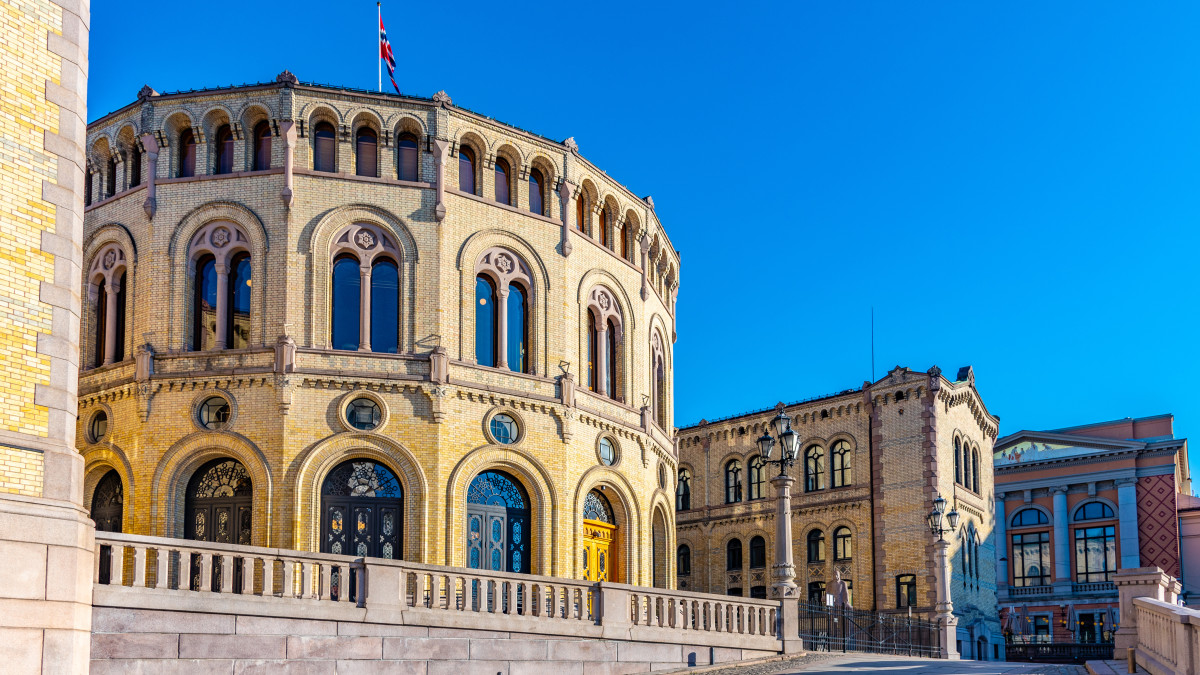
The government begins work on next year's budget.
Fot. Adobe Stock, licencja standardowa
Norwegian Finance Minister Jens Stoltenberg has announced planned reductions in public spending. The announcement was made during a press conference preceding the government’s budget conference. During the conference, ministers will set the framework for next year’s state budget. Stoltenberg emphasized that despite the strong performance of the economy, spending cuts will be necessary.
Rising state costs
Stoltenberg pointed out that pressure on the budget is increasing year by year. This mainly concerns the aging population and pension system expenditures. Increased spending also covers large infrastructure projects and the defense sector. According to the minister, this means an average increase in expenditures of about NOK 25 billion per year until 2029.
The minister recalled that some restrictions were already introduced in the previous budget. He announced that similar decisions will be made next year as well. However, he did not provide details of the planned changes. As he noted, specific proposals will be presented only in October.
The minister recalled that some restrictions were already introduced in the previous budget. He announced that similar decisions will be made next year as well. However, he did not provide details of the planned changes. As he noted, specific proposals will be presented only in October.

Higher expenditures are also expected in the defense sector.Photo: Metziker (Flickr.com, CC BY-NC 2.0 DEED)
Impact of the international situation
The finance minister drew attention to the growing uncertainty in the world. He emphasized that Norway is a small and open economy. Its development depends on stable rules for trade and international investment. He also pointed out that the country is now not only an oil exporter and shipping nation, but also an important investor in global markets.
Stoltenberg also referred to tensions in the Middle East. After Israeli and US attacks on Iran, oil prices rose. However, the minister noted that higher commodity prices do not automatically mean benefits for Norway. According to the data presented, a 10 percent increase in oil prices increases the country's wealth by about NOK 400 billion. However, a decline in the value of global stocks could result in losses of around NOK 2,000 billion.
Stoltenberg also referred to tensions in the Middle East. After Israeli and US attacks on Iran, oil prices rose. However, the minister noted that higher commodity prices do not automatically mean benefits for Norway. According to the data presented, a 10 percent increase in oil prices increases the country's wealth by about NOK 400 billion. However, a decline in the value of global stocks could result in losses of around NOK 2,000 billion.
Stoltenberg’s speech opens the debate on the direction of Norway’s fiscal policy for next year. The government is beginning work on the budget framework at a time of a stable labor market and growth in the private sector. At the same time, public spending is rising and the risks associated with the international situation are increasing.
How do you rate this article?