Norway prepares for restrictions. Remote work to save the fuel market
Norway faces the risk of fuel shortages. Reserves are sufficient for about 20 days. The government is considering emergency measures. Among them is widespread remote work.
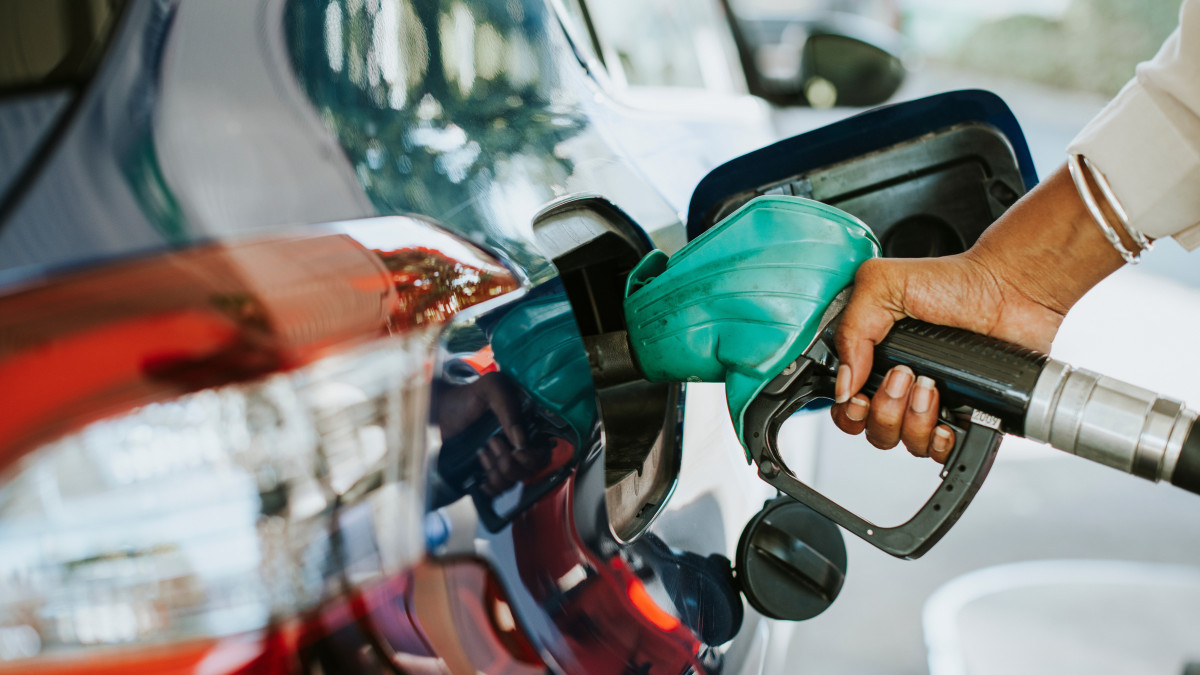
Norway must adapt to new geopolitical realities.
Fot. Adobe Stock, licencja standardowa (zdjęcie poglądowe)
The country is recording record revenues from oil and gas exports. At the same time, it is unable to guarantee stable supplies on the domestic market. Prime Minister Jonas Gahr Støre admitted in an interview with "Aftenposten" that the previous strategy was based on flawed assumptions. The system relied on continuous production and the proximity of refineries. Current global tensions have changed the market reality.
Low reserves and flawed assumptions
Norway's reserves are sufficient for about 20 days. This is more than four times less than in Sweden and Finland, where reserves last up to 90 days. For years, this level was considered sufficient. It was based on market stability and domestic production. Today, this approach is being changed.
The Prime Minister pointed out in "Aftenposten" that the security strategy does not match current conditions. Low stock levels were maintained. Uninterrupted availability of resources was assumed. Global unpredictability has undermined these assumptions. New solutions are needed.
The Prime Minister pointed out in "Aftenposten" that the security strategy does not match current conditions. Low stock levels were maintained. Uninterrupted availability of resources was assumed. Global unpredictability has undermined these assumptions. New solutions are needed.
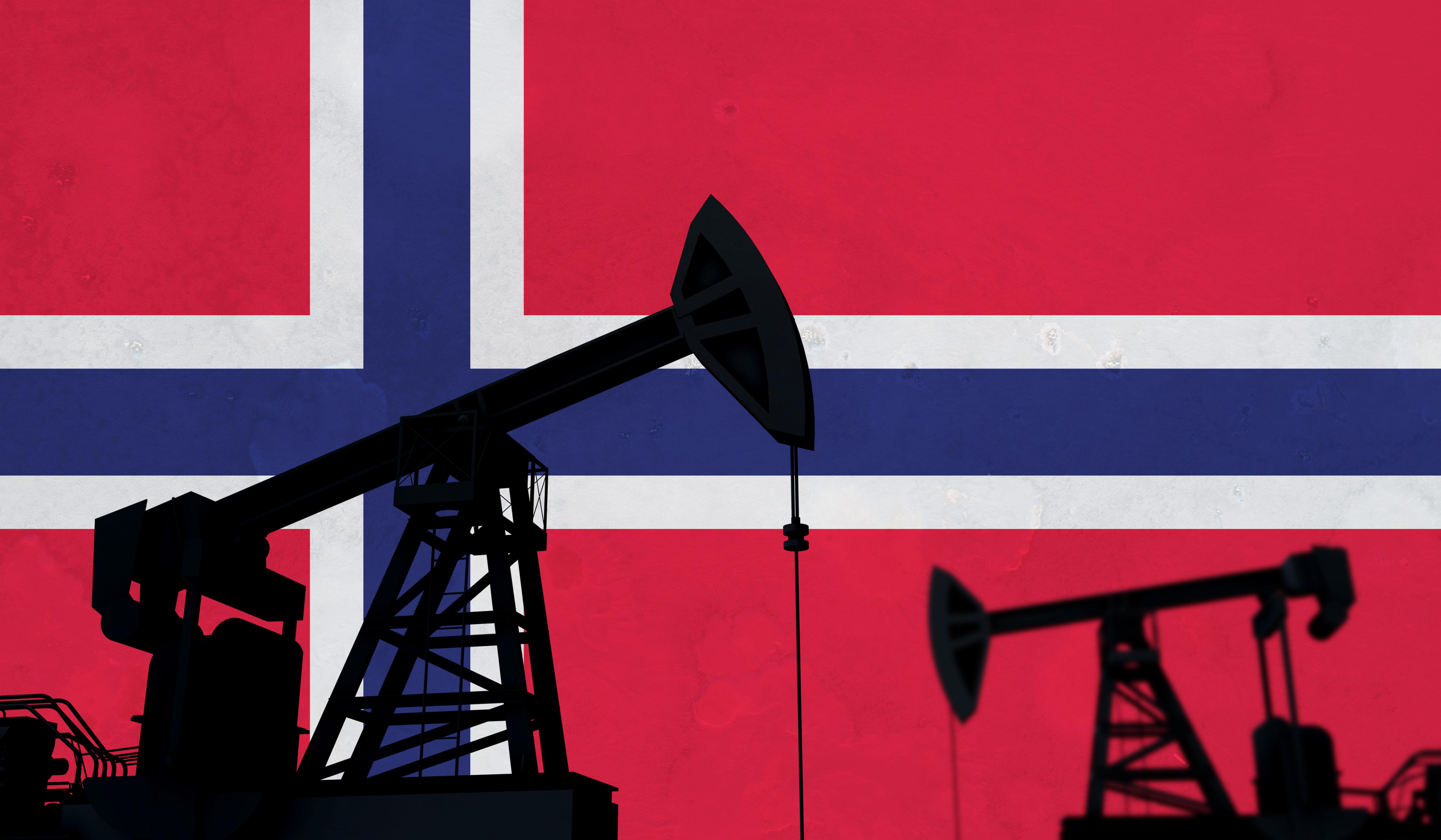
The current situation forces a change in long-term energy strategy.Photo: stock.adobe.com/standard license
Record profits and global pressure
In March 2026, Norway sold 56.6 million barrels of oil. The value amounted to 4.9 billion euros. Gas revenues reached 5.9 billion euros. The country remains one of the key energy suppliers in Europe. It is responsible, among other things, for one third of gas supplies to Poland.
As commentators from "Aftenposten" and "VG" point out, the situation is paradoxical. The state is achieving record profits but is not securing its own market. The blockade of the Strait of Hormuz and the war in the Middle East have raised oil prices. They have also revealed infrastructure shortcomings. Norway does not have sufficient fuel storage capacity.
As commentators from "Aftenposten" and "VG" point out, the situation is paradoxical. The state is achieving record profits but is not securing its own market. The blockade of the Strait of Hormuz and the war in the Middle East have raised oil prices. They have also revealed infrastructure shortcomings. Norway does not have sufficient fuel storage capacity.
The government is considering limiting citizens' mobility by introducing remote work. A solution known from the pandemic era may be used for a new purpose. It is intended to reduce demand for transport fuels and relieve the system. Further decisions will depend on the development of the international situation and the possibility of increasing reserves.
How do you rate this article?