New restrictions on the roads? A 60 km/h limit is being considered
Ten cyclists have died in Norway since the beginning of 2026. The Norwegian Public Roads Administration (SVV) has announced an analysis of measures that could quickly improve road safety. One of the solutions under consideration is lowering the speed limit from 80 to 60 km/h on routes popular with cyclists.
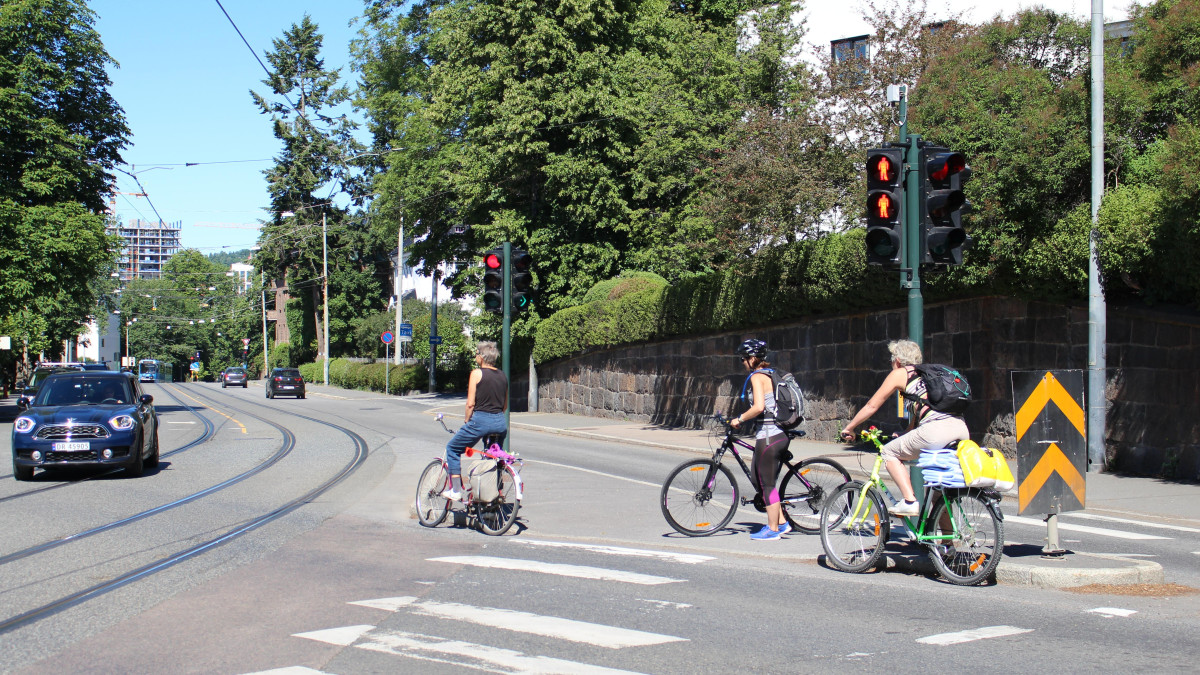
Drivers may have to slow down on cycling routes. Norway will test new restrictions.
Fot. MN
SVV wants to act without waiting for new regulations. Director of Roads Ingrid Dahl Hovland points out that legislative changes may take time, which is why the agency intends to explore options already available. The focus is on quick solutions. According to Hovland, many cyclists feel unsafe when sharing the road with motor traffic, and the situation requires action using existing tools.
Lower speed on popular routes. SVV considers a 60 km/h limit
One possibility is changing speed limits. SVV is considering lowering the limit from 80 to 60 km/h on roads frequently used by cyclists for training. Speed affects the consequences of accidents. The higher it is, the greater the risk of serious injury and death in the event of a road incident.
Hovland points to places where a large number of cyclists coincide with fast-moving car traffic. In such locations, SVV wants to assess whether the current speed limits are appropriate and whether reducing them could improve safety. Additional solutions are also being considered. The agency wants to test a combination of a lower limit and digital signs showing drivers their actual speed.
Hovland points to places where a large number of cyclists coincide with fast-moving car traffic. In such locations, SVV wants to assess whether the current speed limits are appropriate and whether reducing them could improve safety. Additional solutions are also being considered. The agency wants to test a combination of a lower limit and digital signs showing drivers their actual speed.
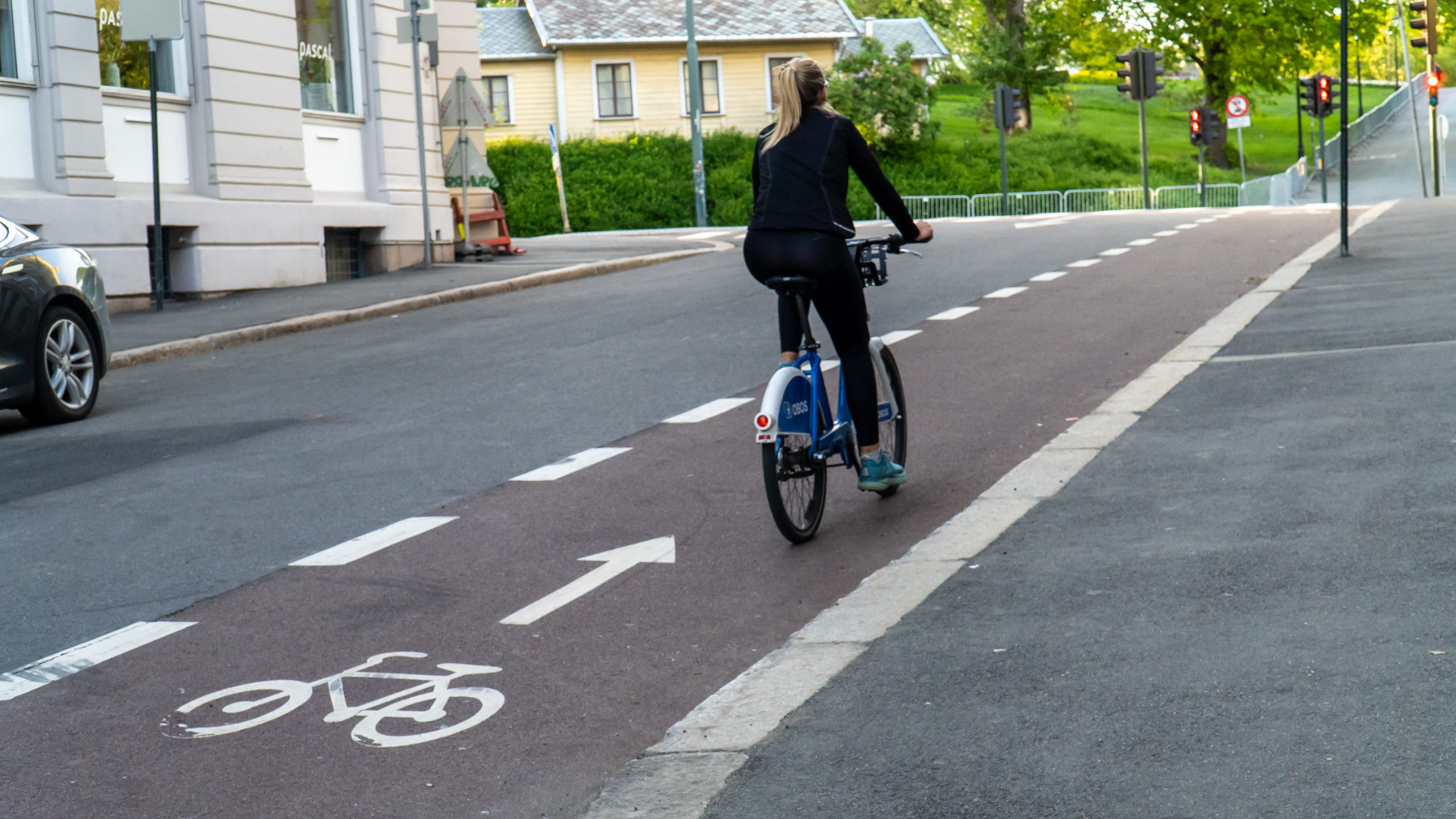
SVV responds to a series of accidents. The proposed measures are intended to improve cyclists' safety.Photo: MN
A joint initiative will be launched. Cycling organisations are expected to join the talks
SVV wants to involve more stakeholders. Hovland announces a nationwide initiative for safer cycling, to which people and organisations with knowledge, experience or responsibility for road traffic are to be invited. The agency does not assume that there is one ready-made solution. The work is to involve, among others, cycling organisations, road safety groups and regional authorities.
The first task will be to identify specific road sections. SVV wants to test selected solutions on them, then assess their effectiveness and implement the measures that deliver results as quickly as possible. Hovland also draws attention to the behaviour of road users. Drivers should exercise caution when overtaking cyclists, while cyclists should ride predictably and take responsibility for their own behaviour on the road.
The first task will be to identify specific road sections. SVV wants to test selected solutions on them, then assess their effectiveness and implement the measures that deliver results as quickly as possible. Hovland also draws attention to the behaviour of road users. Drivers should exercise caution when overtaking cyclists, while cyclists should ride predictably and take responsibility for their own behaviour on the road.
SVV is not limiting its planned measures to changes in signage and speed limits. The agency also wants to test solutions directly on selected road sections and draw on the experience of various groups involved in road traffic. The results of such trials are expected to determine which measures can be quickly applied in other locations.
How do you rate this article?