New data may change the scenario. An important test ahead for Norway's central bank
Norway is awaiting new inflation data. The reading on July 10, 2026, could influence the interest rate decision as early as August. Economists point out that price growth still remains above the central bank's target.

Norges Bank will make a decision on interest rates on August 13, 2026.
Fot. Adobe Stock, licencja standardowa
Statistics Norway (SSB) will release June inflation data on Friday. In May, overall price growth was 3.2 percent, and core inflation was 3.4 percent. Analysts quoted by Bloomberg expect headline inflation to remain at 3.2 percent, with core inflation dropping to 3.3 percent. Norges Bank has the same forecasts.
Inflation remains high. The market forecasts Norges Bank's August decision
Macroeconomist Karine Alsvik Nelson from Handelsbanken Capital Markets told E24 that inflation in Norway is still too high. In her view, a higher-than-expected reading increases the likelihood of a rate hike as early as August. Norges Bank recently kept the interest rate at 4.25 percent. The meeting took place in mid-June.
The central bank has an inflation target of 2 percent in the long term. However, Norges Bank has noted that price growth is too high and may require at least one more rate hike. Chief economist Harald Magnus Andreassen from Sparebank 1 Markets points to high business costs. According to him, weaker productivity growth is being passed on to prices, as he admitted in an interview with E24.
The central bank has an inflation target of 2 percent in the long term. However, Norges Bank has noted that price growth is too high and may require at least one more rate hike. Chief economist Harald Magnus Andreassen from Sparebank 1 Markets points to high business costs. According to him, weaker productivity growth is being passed on to prices, as he admitted in an interview with E24.
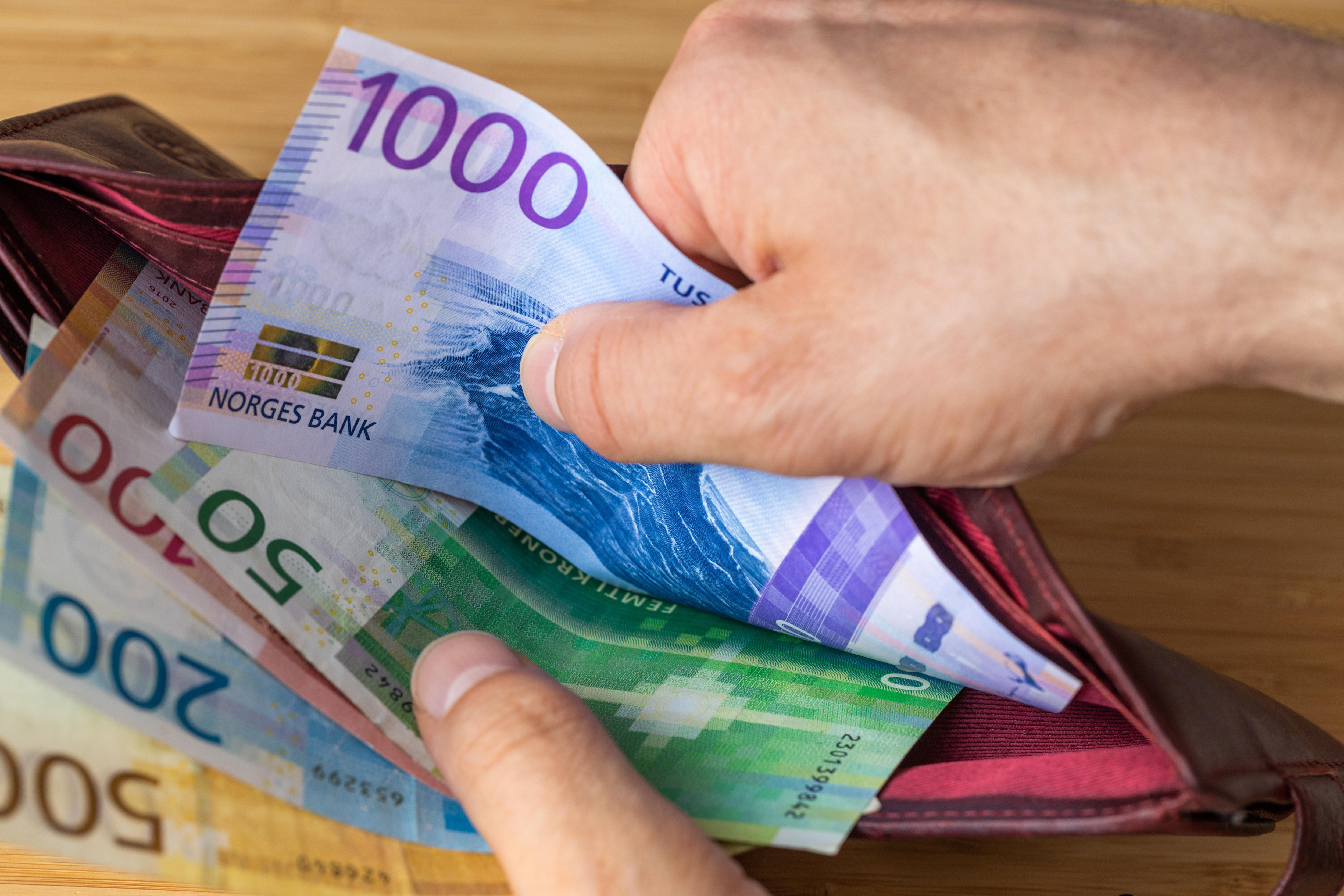
The main task of Norges Bank is to ensure, among other things, the country's economic activity, an appropriate level of unemployment, and inflation close to the 2 percent target.Photo: Adobe Stock, standard license
Jobs and prices in Norway. The bank has room to maneuver
Price growth accelerated after the pandemic and after the start of Russia's invasion of Ukraine. Global supply chains were disrupted, and energy prices soared after the outbreak of war. The highest inflation reading appeared in 2022, reaching 7.5 percent year-on-year. From 2023 to 2024, inflation declined, partly due to Norges Bank's rapid rate hikes to a peak of 4.5 percent.
Norges Bank reported in its June monetary policy report that the impact of food prices on inflation has weakened. At the same time, the price growth of other goods has increased. The bank assumes that headline inflation will be 3.4 percent in 2026 and will fall to 2.3 percent the following year. The backdrop for these decisions remains the labor market, where registered unemployment fell to 2 percent of the labor force in June.
Norges Bank reported in its June monetary policy report that the impact of food prices on inflation has weakened. At the same time, the price growth of other goods has increased. The bank assumes that headline inflation will be 3.4 percent in 2026 and will fall to 2.3 percent the following year. The backdrop for these decisions remains the labor market, where registered unemployment fell to 2 percent of the labor force in June.
Norges Bank assesses that activity in the Norwegian economy will continue to grow. However, growth in 2026 is expected to be moderate. The interest rate committee indicated that higher-than-forecast inflation could mean higher rates, while a faster economic slowdown could have the opposite effect.
How do you rate this article?