Is This the End of Norwegian Salmon? The Scandal Continues in the Fjords
The Norwegian Society for the Conservation of Nature (Naturvernforbundet) is demanding the immediate closure of the most harmful and dangerous salmon farms for fish. The organization refers to findings by NRK Brennpunkt and Økokrim, which revealed serious violations in the aquaculture industry. According to environmentalists, the Norwegian salmon farming sector has lost control over environmental conditions and fish welfare.
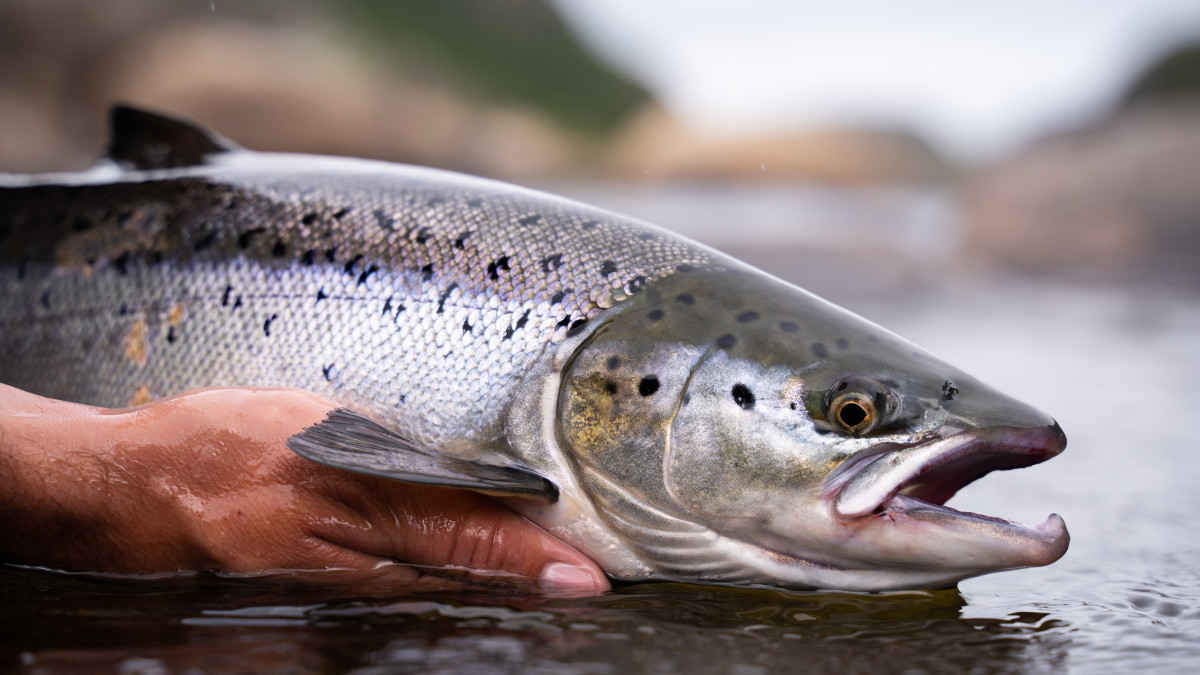
Fish welfare inside and outside facilities must be significantly improved.
Fot. stock.adobe.com/licencja standardowa
In the past five years, the mortality rate of farmed salmon during the marine phase has remained at around 15 percent. This is three times higher than the limit set by the Norwegian parliament, which established a maximum mortality rate of 5 percent.
In 2024, nearly 60 million fish died in Norwegian farms, according to the Norwegian Veterinary Institute. Truls Gulowsen, chairman of Naturvernforbundet, called for the closure of facilities with poor environmental conditions and high fish mortality.
In 2024, nearly 60 million fish died in Norwegian farms, according to the Norwegian Veterinary Institute. Truls Gulowsen, chairman of Naturvernforbundet, called for the closure of facilities with poor environmental conditions and high fish mortality.
Scandal Over Export of Diseased Salmon
In the NRK Brennpunkt documentary Lakselandet, it was revealed that salmon with wounds and deformities are being illegally sent to European processing plants. The report included a statement from Geir Ove Ystmark of Sjømat Norge, who compared the fish wounds to "brown spots on apples." These words sparked a strong reaction from Naturvernforbundet.
Truls Gulowsen described this attitude as evidence of disregard for animal suffering and called on the industry to take fish welfare in salmon farms seriously.
Truls Gulowsen described this attitude as evidence of disregard for animal suffering and called on the industry to take fish welfare in salmon farms seriously.
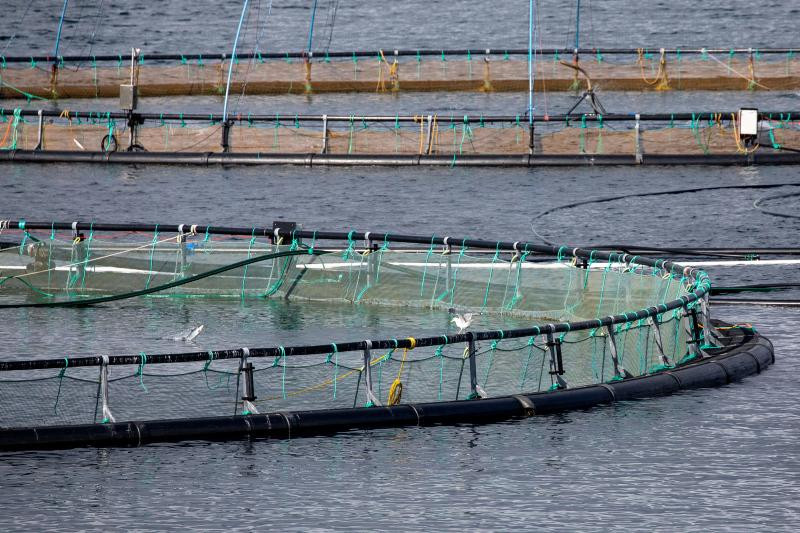
Salmon mortality in farms is three times higher than the permitted level.Photo: Eivind Senneset, Veterinærinstituttet
Økokrim and NIVA Raise Alarm Over Industry Violations
According to a report by Økokrim, there are serious legal violations throughout the entire salmon production chain. These include exceeding production limits, illegal use of drugs, environmental pollution, and fish escapes from farms.
Representatives of Naturvernforbundet point out that authorities should introduce stricter regulations based on actual environmental tolerance limits, not tailored to industry interests.
Representatives of Naturvernforbundet point out that authorities should introduce stricter regulations based on actual environmental tolerance limits, not tailored to industry interests.
Salmon Farms and Environmental Emissions
Research by the Norwegian Institute for Water Research (NIVA) shows that in 2022, salmon farms were responsible for 71.5 percent of nitrogen emissions and 86.6 percent of phosphorus emissions along the Norwegian coast. These pollutants were equivalent to the emissions generated by 20.7 million people for nitrogen and 53 million people for phosphorus.
Naturvernforbundet demands that the most polluting farms be closed immediately, and that the remaining ones operate emission-free and without fish escapes. The organization also calls for the creation of farming-free zones and a significant improvement in animal welfare throughout the Norwegian aquaculture sector.
Naturvernforbundet demands that the most polluting farms be closed immediately, and that the remaining ones operate emission-free and without fish escapes. The organization also calls for the creation of farming-free zones and a significant improvement in animal welfare throughout the Norwegian aquaculture sector.
How do you rate this article?