Is the Norwegian coast at risk? Scientists check what arrives in the land of fjords
Foreign species attach themselves to ship hulls and may end up in Norway. A new method allows them to be detected before they settle along the coast. Scientists are examining waste from underwater hull cleaning.
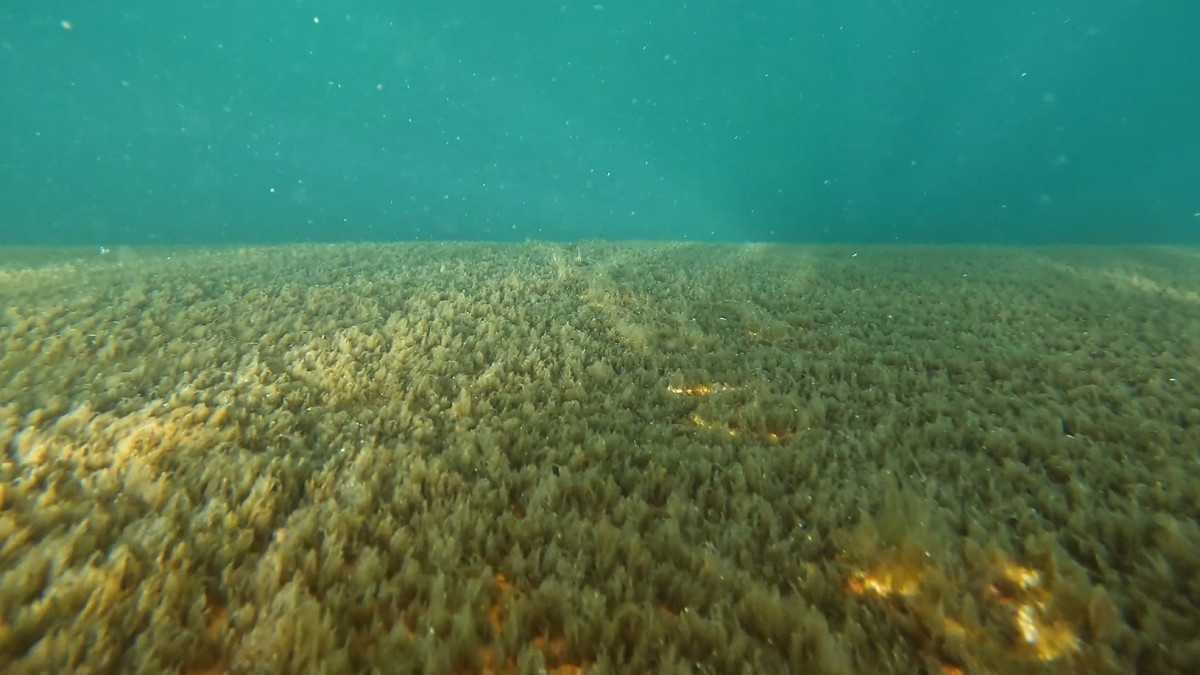
Scientists say that ship hulls look like a forest after their journeys.
Fot. materiały prasowe Ecosubsea
Shipping is the main cause of the spread of alien marine species worldwide. Some of them may threaten the biodiversity of the Norwegian coast if they find suitable living conditions. Therefore, ships are inspected underwater.
Remotely operated robots clean the hulls and collect waste and water from the cleaning process. Until now, cleaning was mainly done to reduce friction between the hull and the sea, which lowers fuel consumption. Now it has a second purpose.
Remotely operated robots clean the hulls and collect waste and water from the cleaning process. Until now, cleaning was mainly done to reduce friction between the hull and the sea, which lowers fuel consumption. Now it has a second purpose.
Robots clean hulls. DNA reveals the truth
Material collected during cleaning is sent for analysis. Scientists look for the DNA of alien species that may be attached to the ships. The method is called "DNA metabarcoding." It allows hundreds of species to be identified at once based on genetic traces.
Frode Fossøy from the Norwegian Institute for Nature Research (NINA) compares environmental DNA to the work of forensic technicians at a crime scene. Researchers search for microscopic traces in nature to determine which species are present. In this case, the traces come from growths on the hulls. These reveal what may be arriving in the ports.
Frode Fossøy from the Norwegian Institute for Nature Research (NINA) compares environmental DNA to the work of forensic technicians at a crime scene. Researchers search for microscopic traces in nature to determine which species are present. In this case, the traces come from growths on the hulls. These reveal what may be arriving in the ports.
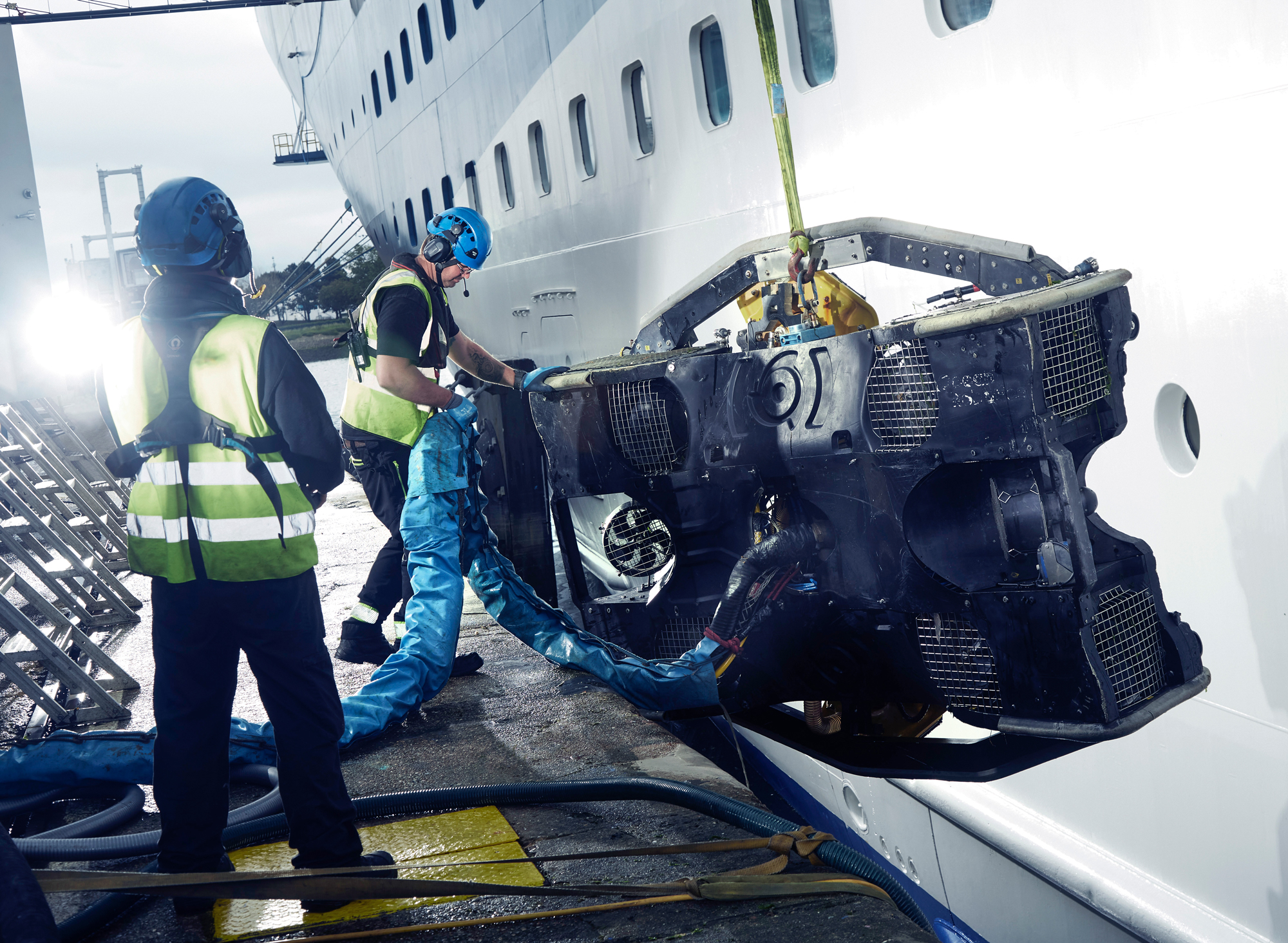
Remotely operated robots clean ship hulls underwater. Waste and water from the cleaning are collected and analyzed for alien species DNA.Photo: Ecosubsea press materials
Ships bring alien species. Undetected, they can be a threat
In a pilot study, 19 species were detected that do not belong to Norway's native environment. Eight of them are so-called threshold species, meaning alien species that may be on their way to Norwegian nature. If they settle, they could threaten species already living in this environment. Waste from nine ships cleaned in Tananger and Bergen was analyzed.
The project involved scientists from NINA and the Institute of Marine Research (HI). They collaborated with the Norwegian company Ecosubsea, which developed the hull-cleaning robots. The ships studied mainly sailed the North Sea or along the Norwegian coast. The highest number of alien species was found on a cruise ship that had come from afar.
The project involved scientists from NINA and the Institute of Marine Research (HI). They collaborated with the Norwegian company Ecosubsea, which developed the hull-cleaning robots. The ships studied mainly sailed the North Sea or along the Norwegian coast. The highest number of alien species was found on a cruise ship that had come from afar.
Researchers also collected environmental DNA from port water to check which species were already present. All threshold species were detected only in the hull growths. The project was funded by the Norwegian Environment Agency (Miljødirektoratet), and scientists want to expand the research to a larger number of ships in international traffic.
How do you rate this article?