Huge differences in diesel prices in Norway. Up to NOK 600 difference on a single fill-up
Tuesday morning, 22 September, brought major differences in fuel prices in Norway. At some stations, diesel cost just over NOK 23 per litre, while at the most expensive locations the price reached NOK 29.19. Nettavisen reports that when filling up 60 litres, the difference between individual stations can be as much as NOK 600.
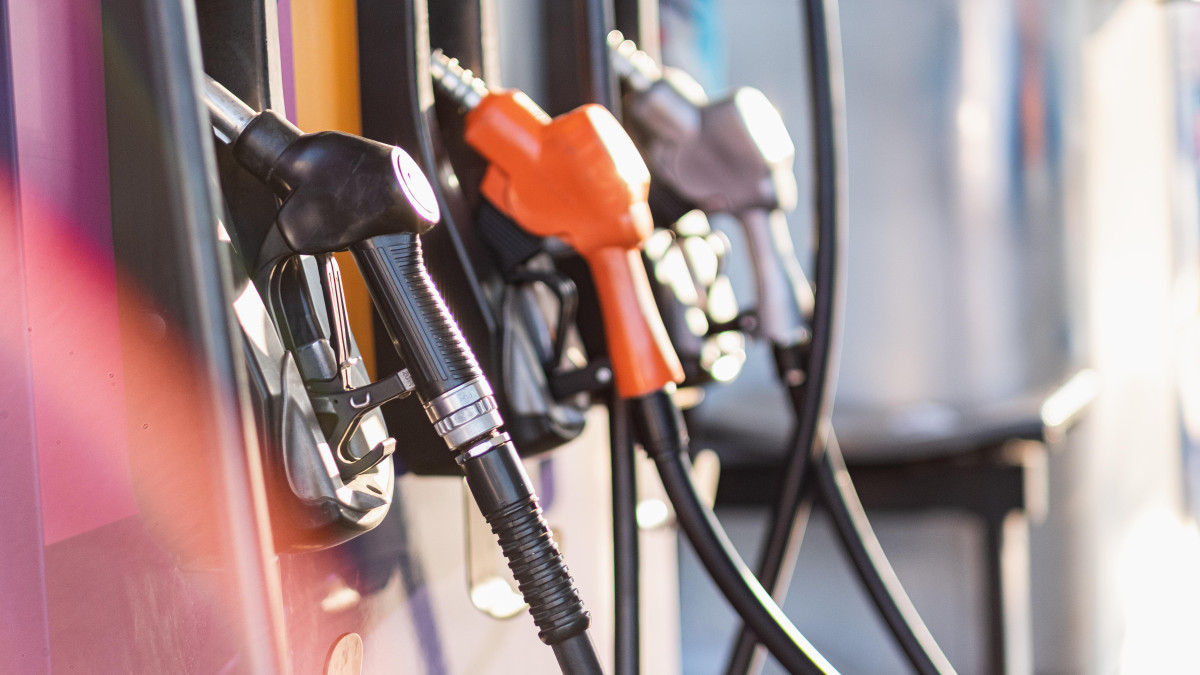
Diesel prices are rising partly due to the situation in the Middle East.
Fot. stock.adobe.com/standardowa
In September 2026, petrol and diesel prices rose sharply. The change in fees alone from 1 September increased average prices by around NOK 4.50, followed by a further rise after the escalation of the conflict in the Middle East and Ukrainian attacks on Russian oil infrastructure. Before the weekend of 19 and 20 September, diesel cost more than NOK 31 per litre in many places. After sharp price increases, prices usually gradually fall. This cycle typically occurs twice a week. On Tuesday morning, 22 September, it was visible in several parts of the country.
Prices are falling unevenly. The differences are clear
At the Circle K station in Lilleaker, Oslo, diesel cost NOK 23.60 per litre. In Brumunddal, at a station of the same chain, the price was NOK 23.87, while at Haltbakk Express in Sistranda it was NOK 24.39.
At the other end of the scale, prices reached NOK 29.19 per litre. This was the price of diesel at ST1 stations in Haukås Nyborg, Uno X in Åsamyrane, Circle K in Ulset and Haukås, and Bunker Oil in Lyngseidet. Haukås, Ulset and Nyborg are located in the Åsane district of Bergen. Lyngseidet, meanwhile, is located in the municipality of Lyngen in Troms. This means significant price differences between individual sales outlets.
At the other end of the scale, prices reached NOK 29.19 per litre. This was the price of diesel at ST1 stations in Haukås Nyborg, Uno X in Åsamyrane, Circle K in Ulset and Haukås, and Bunker Oil in Lyngseidet. Haukås, Ulset and Nyborg are located in the Åsane district of Bergen. Lyngseidet, meanwhile, is located in the municipality of Lyngen in Troms. This means significant price differences between individual sales outlets.
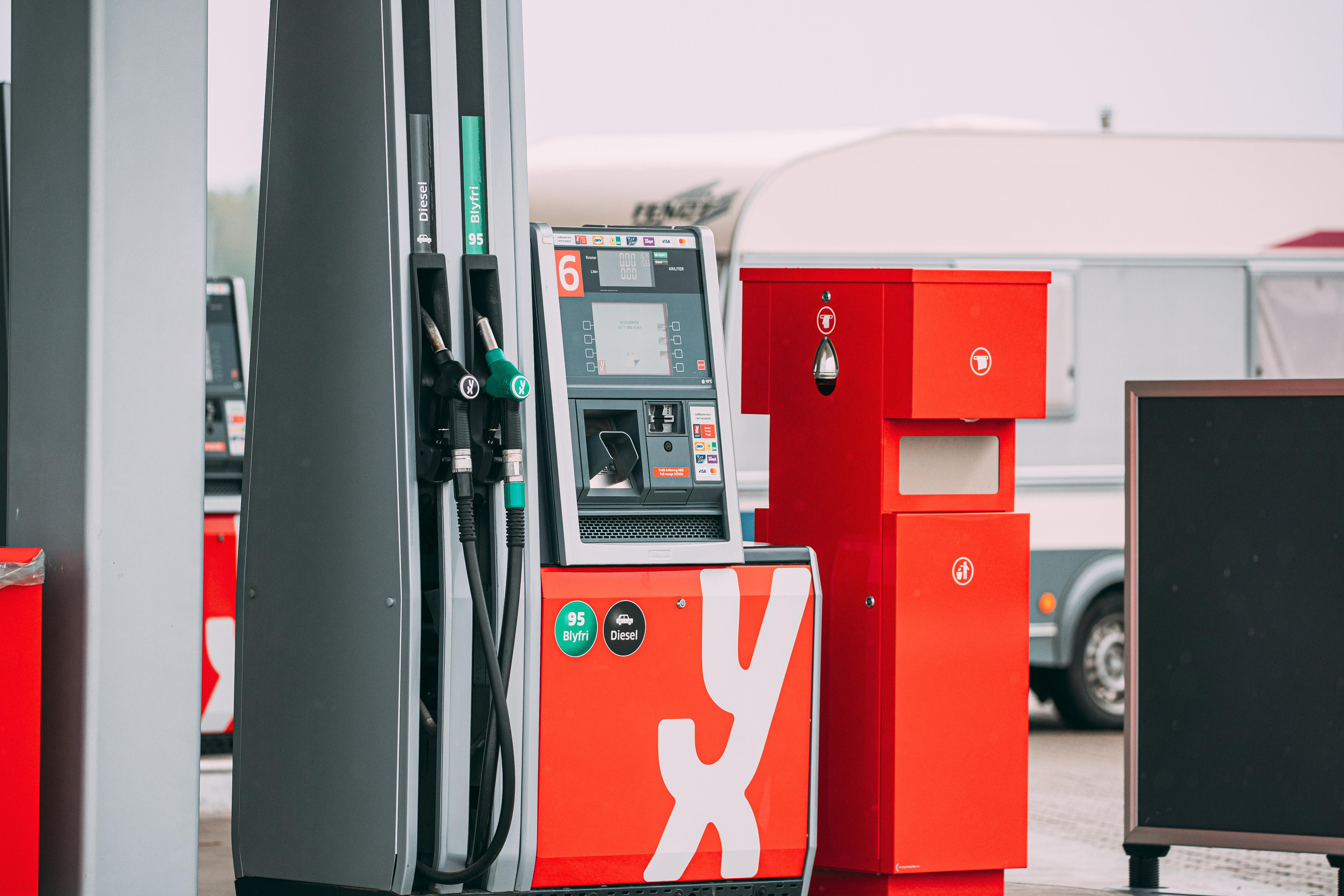
On 1 September, prices increased partly because the Storting did not agree to extend the tax and fee discount programme./illustrative photo, Grigory Bruev - stock.adobe.com, standard licence
Chains raise prices in jumps. Then competition takes effect
The Norwegian Competition Authority (Konkurransetilsynet) analysed fuel prices and the chains' gross margins from 2024 to April 2026. The analysis shows that the pricing pattern characteristic of Norway is still in place. Large chains raise prices sharply across the country once or several times a week. Prices then gradually fall due to competition between stations. According to the authority, this mechanism allows chains to achieve higher margins immediately after price increases.
Konkurransetilsynet points out that monitoring price changes can bring drivers tangible savings. According to the authority, the differences can mean savings of around NOK 300 on a single fill-up. Nettavisen, however, reports that at the time the article was prepared, the difference for a 60-litre tank was as much as NOK 600. Stig Torje Bjugn, a fuel expert at Konkurransetilsynet, indicated that the current pattern allows chains to achieve high margins in the period immediately after price increases. In his view, average margins are therefore higher than they would be under stronger price competition.
Konkurransetilsynet points out that monitoring price changes can bring drivers tangible savings. According to the authority, the differences can mean savings of around NOK 300 on a single fill-up. Nettavisen, however, reports that at the time the article was prepared, the difference for a 60-litre tank was as much as NOK 600. Stig Torje Bjugn, a fuel expert at Konkurransetilsynet, indicated that the current pattern allows chains to achieve high margins in the period immediately after price increases. In his view, average margins are therefore higher than they would be under stronger price competition.
Nettavisen reports that in recent weeks, major price increases in Oslo have mainly occurred on Mondays and Thursdays. This time, the Monday increase did not take place. However, the editorial team notes that the rhythm of changes varies by region and is not the same throughout Norway.
How do you rate this article?