How much does your colleague earn? Norway is preparing greater pay transparency
In Norway, you can check the income of your neighbour, boss or colleague. However, public tax lists do not show how much their employer pays them. The regulations being prepared are intended to make it easier to compare pay within a company and find out where the differences come from.
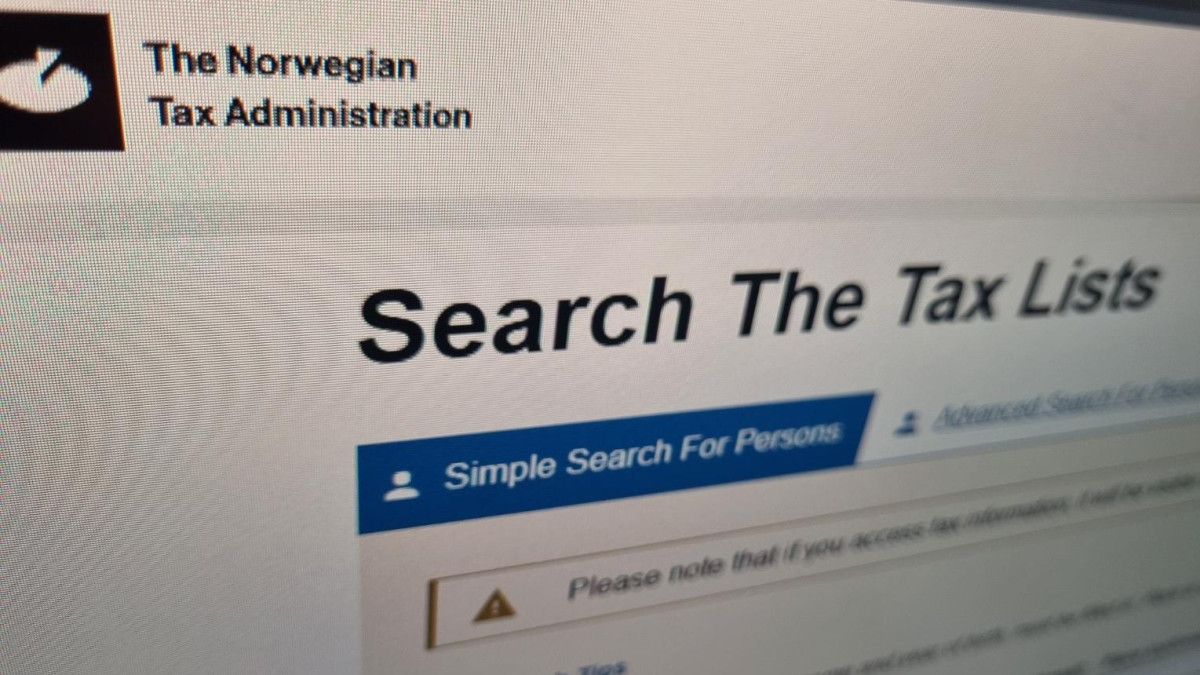
skattelister – same salary, different amounts on the list
MN
Simply log in to Skatteetaten, search for a name and open the details of the selected person. Norwegian tax lists, known as skattelister, show taxable income, net wealth and assessed tax. This level of openness may surprise people arriving from Poland. It also has another side: the person being checked can see who has taken an interest in their finances. So why does Norway need further rules on pay transparency? Because the figure found on the tax list does not answer an employee’s basic question: am I paid a similar salary for similar work?
The same salary, different amounts on the list
Skatteetaten points out a common mistake: the income shown in skattelister is often equated with earnings. In fact, it is income determined under tax rules, after deductions have been taken into account. It is neither annual gross salary nor the total amount of take-home pay. Therefore, two employees receiving identical pay may have different amounts on the list if they use different deductions. This illustrates why it is difficult to assess, based on tax data alone, whether an employer pays them equally. There is also a delay. In mid-October 2026, the search engine provides data for 2024. Since then, someone may have changed jobs, received a pay rise or reduced their working hours.
Employers must show average pay
The EU Pay Transparency Directive is intended to allow employees to compare their pay with the average earnings of women and men performing the same work or work of equal value. The data are to be provided by the employer. Employees are also to be given access to the criteria used to determine pay. This does not mean making a named list of salaries available to everyone. It is about being able to check how one’s own pay compares with a comparable group. A difference alone does not necessarily indicate discrimination. Existing Norwegian rules already allow factors such as experience, seniority and work performance to be taken into account, provided that the same rules are applied to women and men. Greater openness will also cover recruitment. A candidate should learn the proposed rate or salary range early enough to negotiate the terms knowingly. The information may appear in the job advertisement or be provided in another way during recruitment. Employers will not be allowed to ask about earnings in current or previous jobs.
Norway has not yet set a deadline
The deadline for implementing the directive in EU Member States expired on 7 June 2026. It did not apply to Norway. The directive is still awaiting incorporation into the European Economic Area Agreement, and the Norwegian government is working on its implementation. A separate part of the changes will be reporting on pay gaps. Under the directive, companies employing at least 250 people must report every year, while those employing 100–249 people must report every three years, with a later start for the smallest companies in that group. These thresholds apply to reporting, not to the employee’s right to information on average pay itself.
How can you check the data now?
The public tax data can be accessed through the “Søk i skattelistene” service on the Skatteetaten website. After logging in with your electronic ID, such as BankID, you can search for a person and open their details. It is worth checking the year of birth and town of residence to avoid confusing people with the same surname.
Such a search leaves a trace. In the “søkehistorikk” tab, the person being checked can see the full name of the person who searched for them and the time of the search. The history is updated every hour.
However, if you suspect unequal treatment at work, you can already use a more useful solution. Norwegian law allows an employee who suspects pay discrimination to request written information from the employer about the pay and the principles used to determine it for the people with whom they are comparing themselves. Non-public data received in this way are subject to a duty of confidentiality.
-advertisement-
Such a search leaves a trace. In the “søkehistorikk” tab, the person being checked can see the full name of the person who searched for them and the time of the search. The history is updated every hour.
However, if you suspect unequal treatment at work, you can already use a more useful solution. Norwegian law allows an employee who suspects pay discrimination to request written information from the employer about the pay and the principles used to determine it for the people with whom they are comparing themselves. Non-public data received in this way are subject to a duty of confidentiality.
-advertisement-
And how much of your salary reaches your bank account?
Have you changed jobs, received a pay rise or started working fewer hours? Check whether your tax card reflects your current income. Excessive deductions reduce your current pay, while deductions that are too low may mean an additional payment when you file your tax return.
MultiNOR will check your tax card and tell you whether it needs to be changed. If an update is needed, you can also commission it to be made.
Check your tax card with MultiNOR
MultiNOR will check your tax card and tell you whether it needs to be changed. If an update is needed, you can also commission it to be made.
Check your tax card with MultiNOR
How do you rate this article?