Decision Time Approaches. Norway in a Worse Situation Than the USA and the Eurozone
Norway may be the closest to raising interest rates. Economists point to persistent inflation and increasing external pressure.
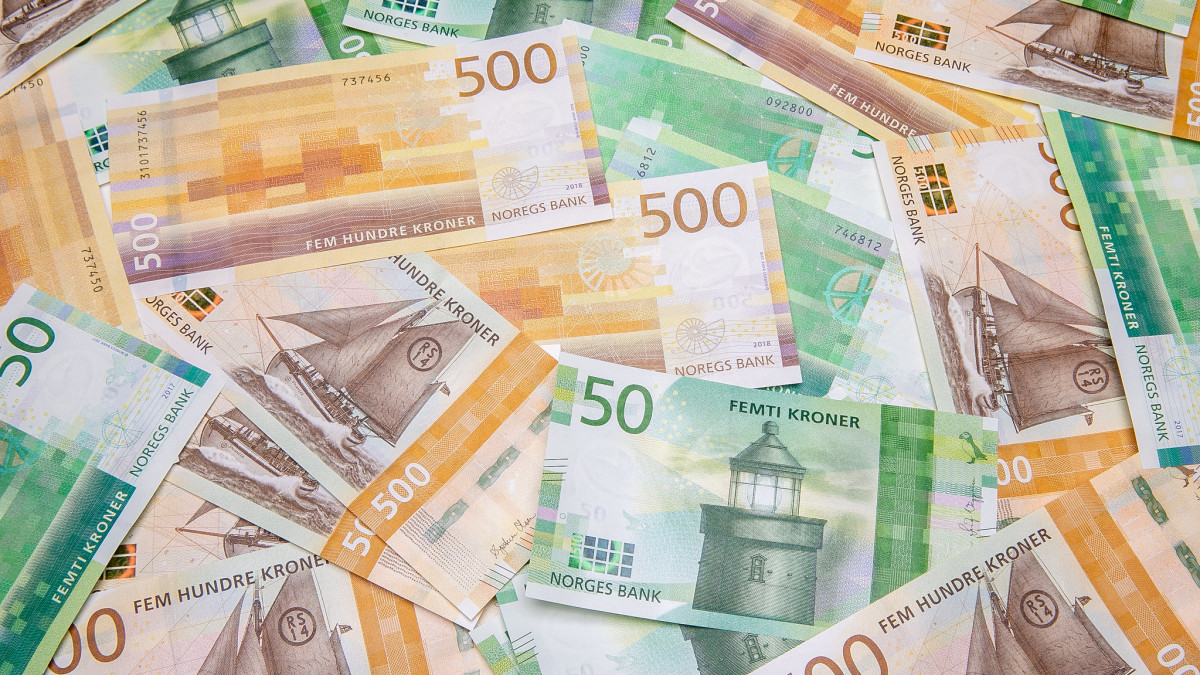
Norway is identified as the country most at risk of an interest rate hike.
Fot. Nils S. Aasheim/Norges Bank, Flickr.com (CC BY-ND 2.0)
In the coming weeks, central banks in the USA, the eurozone, and Norway will make decisions regarding interest rates. Analysts assess that Norway is the most exposed to a hike. The main interest rate currently stands at 4 percent. Forecasts indicate it may rise to 4.25 or even 4.5 percent. The next Norges Bank decision will be made on May 7.
Inflation and Norges Bank's Change of Approach
Inflation in Norway has remained above target for a long time. It stayed at around 3 percent for several years and was already surprising on the upside even before the rise in energy prices. In March, the CPI reached 3.6 percent. Core inflation was 3.0 percent. The inflation target remains at 2 percent.
Jeanette Fjære-Lindkjenn from DNB Carnegie points out in E24 that Norway is the most exposed to a rate hike among the analyzed economies. The central bank had long signaled rate cuts. Now, it has changed its communication and is allowing for hikes. The economist believes a decision may come in June. At the same time, the market sees a higher probability of a hike as early as May.
Jeanette Fjære-Lindkjenn from DNB Carnegie points out in E24 that Norway is the most exposed to a rate hike among the analyzed economies. The central bank had long signaled rate cuts. Now, it has changed its communication and is allowing for hikes. The economist believes a decision may come in June. At the same time, the market sees a higher probability of a hike as early as May.
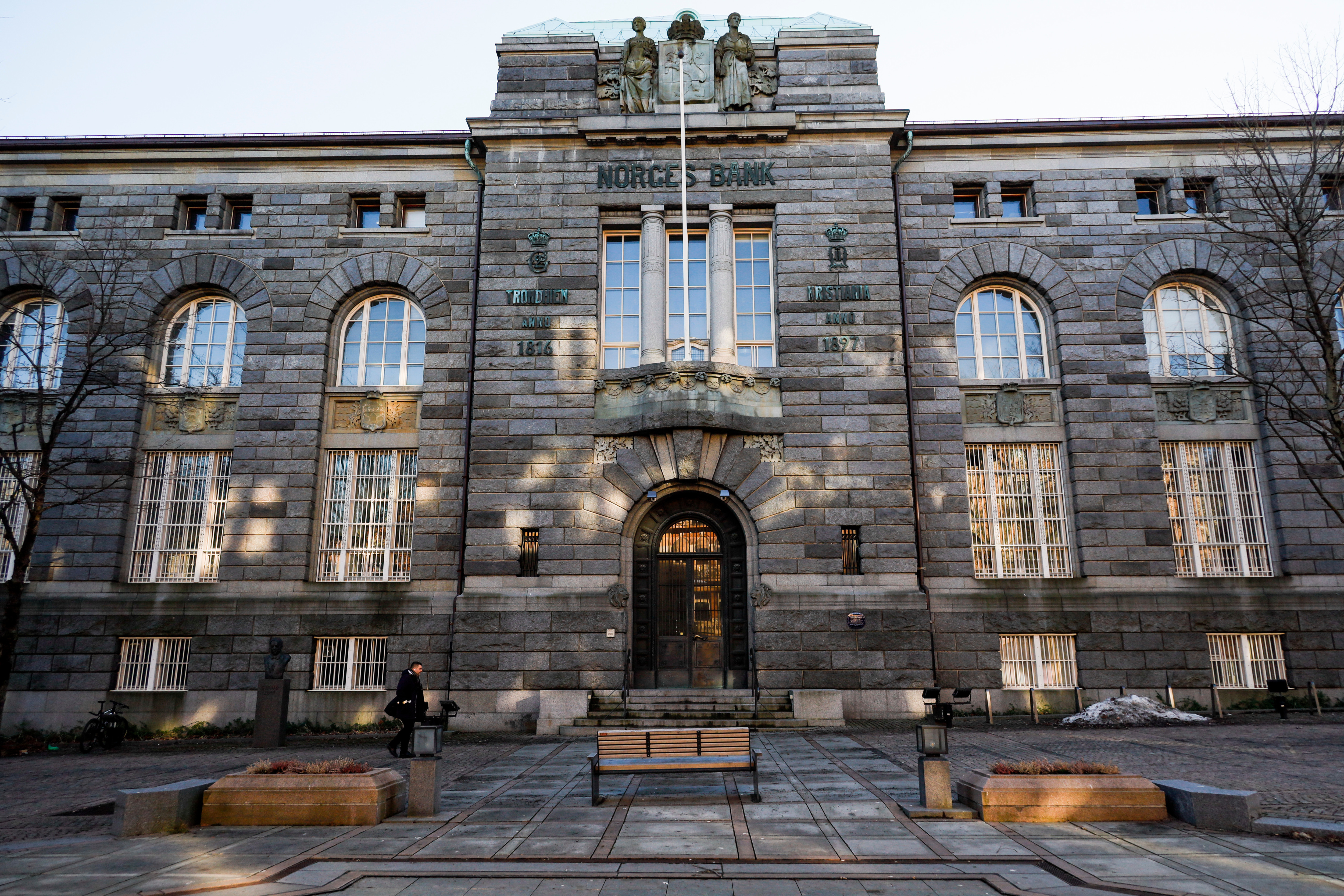
Norges Bank had previously anticipated cuts for an extended period.Photo: Alexander - stock.adobe.com/standard editorial use only
Foreign Influence and the Situation in the USA and Europe
The European Central Bank has kept rates at 2 percent since June last year. Inflation in the eurozone has risen to 2.6 percent. Analysts, including Sara Midtgaard from Nordea Markets, expect as many as four hikes this year. They do not rule out a move at the next meeting. Any decisions in Europe may increase pressure on Norges Bank.
Midtgaard points out that global inflationary pressure is rising, among other things, due to the situation in the Middle East. In the USA, scenarios are more balanced. Rates remain in the 3.5–3.75 percent range. Inflation has risen to 3.3 percent, and fuel prices have increased by 21.2 percent, accounting for nearly three-quarters of the rise. At the same time, core inflation was 2.6 percent. The Fed (the central bank of the United States) considers its policy restrictive. Both hikes and cuts are possible, depending on the labor market and oil prices, especially if they exceed $100 per barrel.
Midtgaard points out that global inflationary pressure is rising, among other things, due to the situation in the Middle East. In the USA, scenarios are more balanced. Rates remain in the 3.5–3.75 percent range. Inflation has risen to 3.3 percent, and fuel prices have increased by 21.2 percent, accounting for nearly three-quarters of the rise. At the same time, core inflation was 2.6 percent. The Fed (the central bank of the United States) considers its policy restrictive. Both hikes and cuts are possible, depending on the labor market and oil prices, especially if they exceed $100 per barrel.
Norges Bank's decisions are influenced by both domestic and external factors. Rising energy prices and geopolitical tensions are increasing inflationary pressure. At the same time, data indicate that the problem of high prices was already present earlier. This means that the direction of monetary policy may result not only from the current global situation but also from persistent trends in the Norwegian economy.
How do you rate this article?