English
|
Redakcja
|
25.02.2026 12:56
Debate on Recognition of Foreign Qualifications in Norway. Where Do Concerns End and Facts Begin?
In recent days, the Norwegian business daily Dagens Næringsliv published a piece about vocational exams organized for Polish workers in Norway and the growing number of decisions recognizing the equivalence of foreign qualifications (so-called sidestilling).
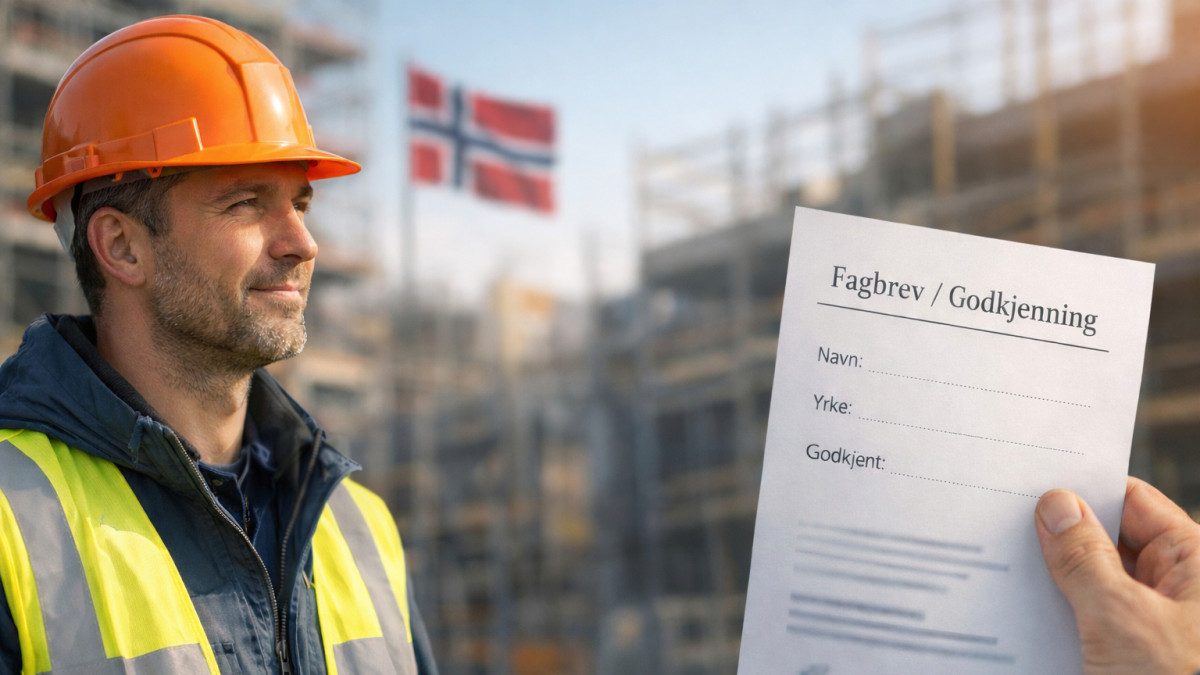
Fagbrev in Norway
MojaNorwegia
The topic has sparked a wide discussion in the construction and craft industries. The
article presents the positions of industry organizations, including Oslo Håndverks- og Industriforening (OHIF) and Byggmesterforbundet, whose representatives – Eivind Andersen and Harald Hansen – expressed concerns about the quality of some exam models and the possible impact of the increasing number of recognized qualifications on industry standards.
The term "fagbrevfabrikker" ("fagbrev factories") appeared in the debate, referring to the phenomenon of quickly obtaining documents confirming professional qualifications.
At the same time, the publication makes it clear that the criticism concerns the systemic consequences of the qualification recognition model, not allegations of illegal activities by specific companies.
Growing Number of Sidestilling Decisions
Data from the Directorate for Higher Education and Skills (HK-dir) shows that in recent years, the number of decisions recognizing foreign professional qualifications in Norway has increased significantly. A substantial portion of applications concerns Polish citizens working in the construction sector.
This process involves formally confirming that foreign education or a vocational diploma is equivalent to the Norwegian fagbrev or svennebrev. After passing the exam and completing the documentation, the candidate can apply to HK-dir for a decision on qualification recognition.
More information about the HK-dir application procedure can be found here:
Exams in Norway – What Do They Look Like in Practice?
The
Dagens Næringsliv publication also presents the perspective of companies organizing the opportunity to take Polish journeyman exams in Norway. It is emphasized that:
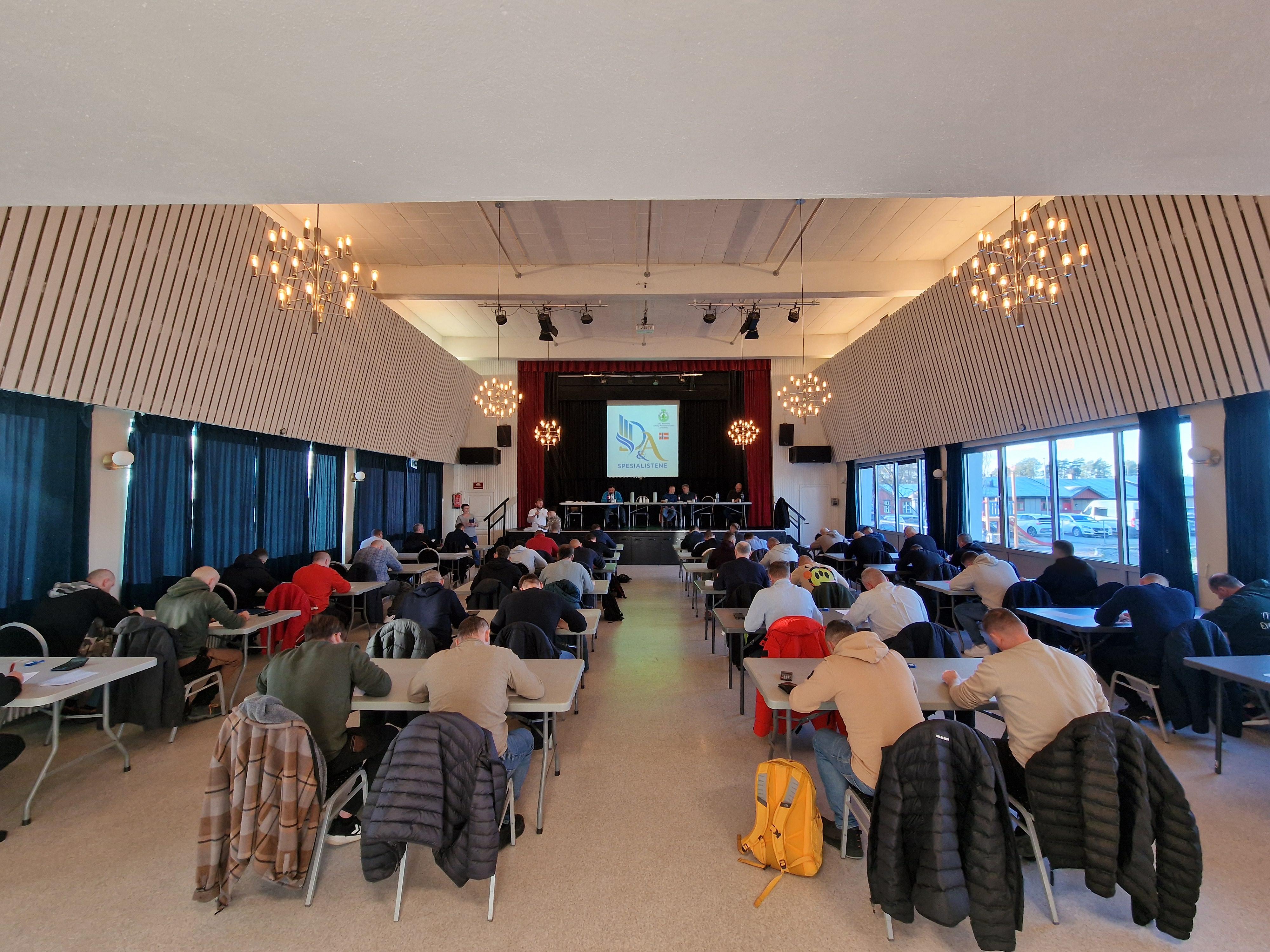
- the exams are conducted by official examination boards from Polish chambers of crafts,
- candidates must document many years of professional experience,
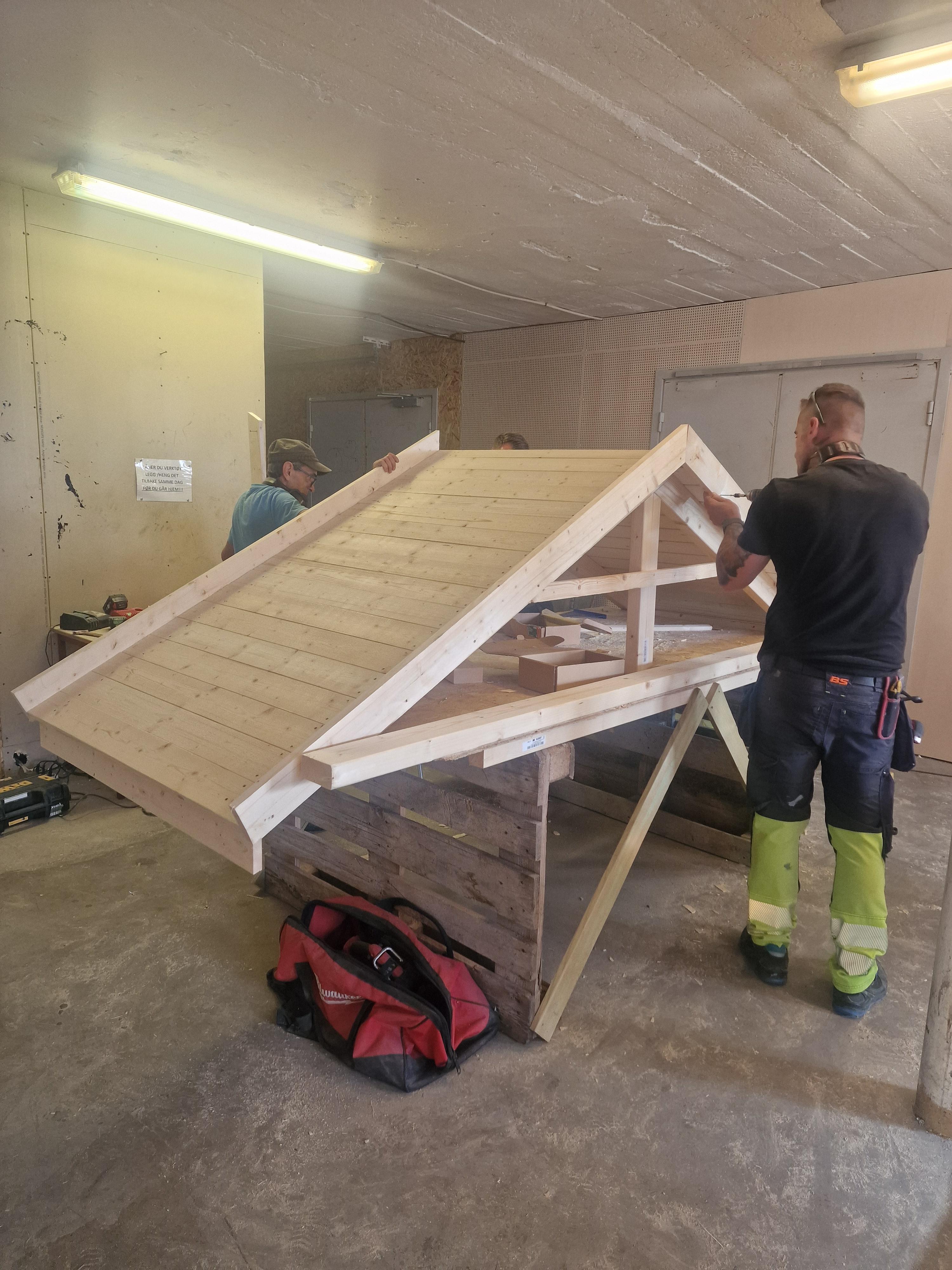
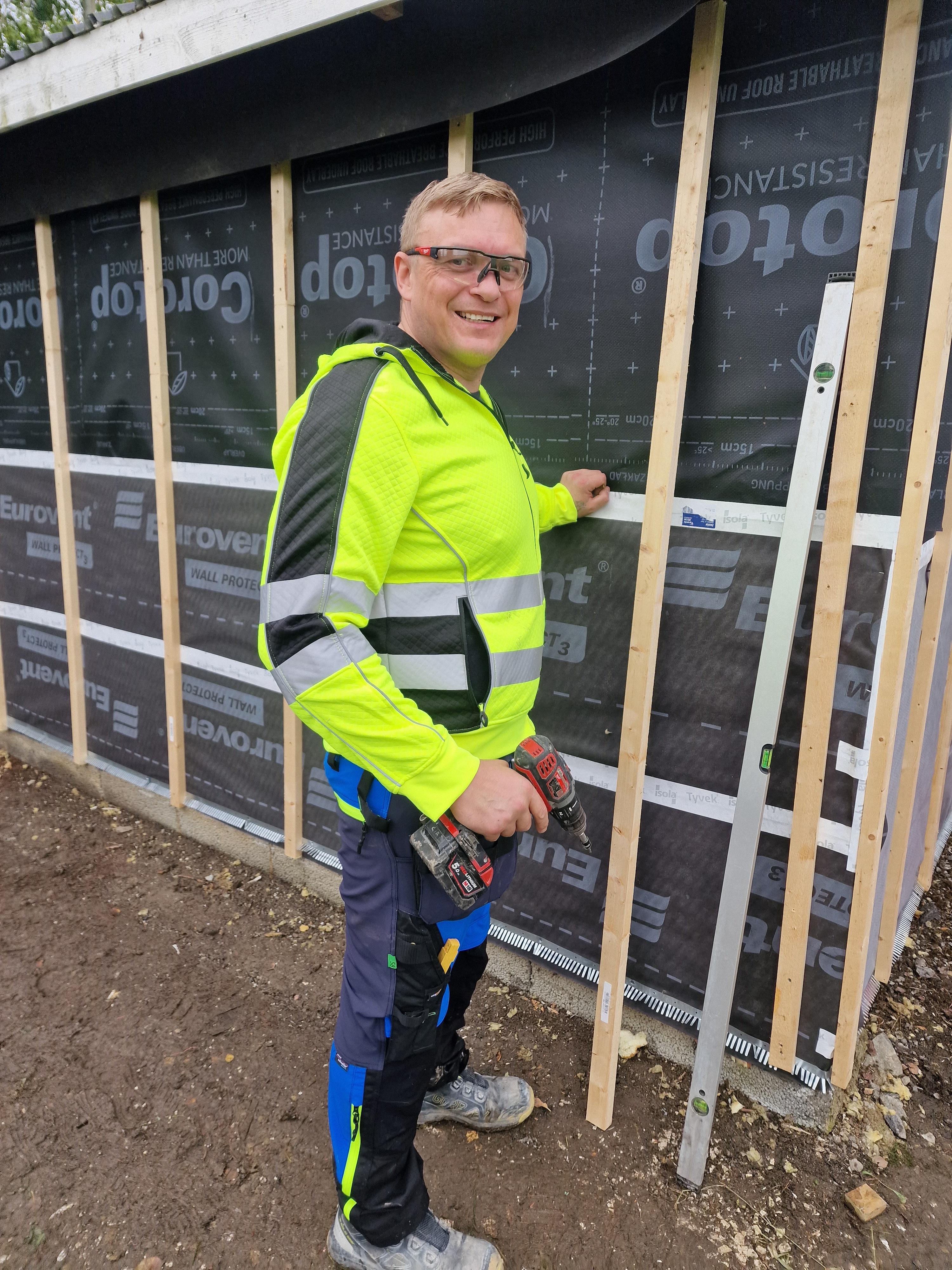
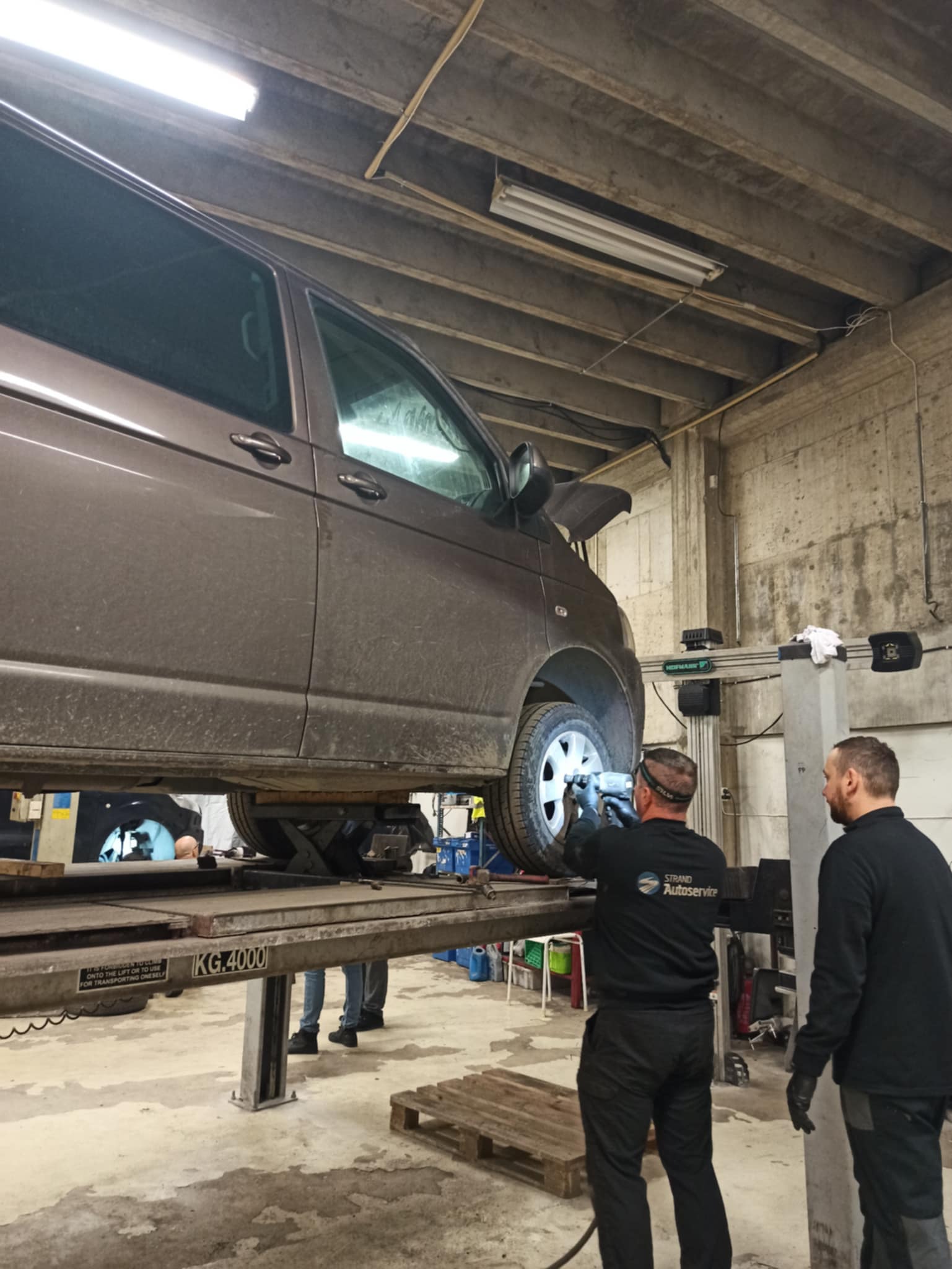
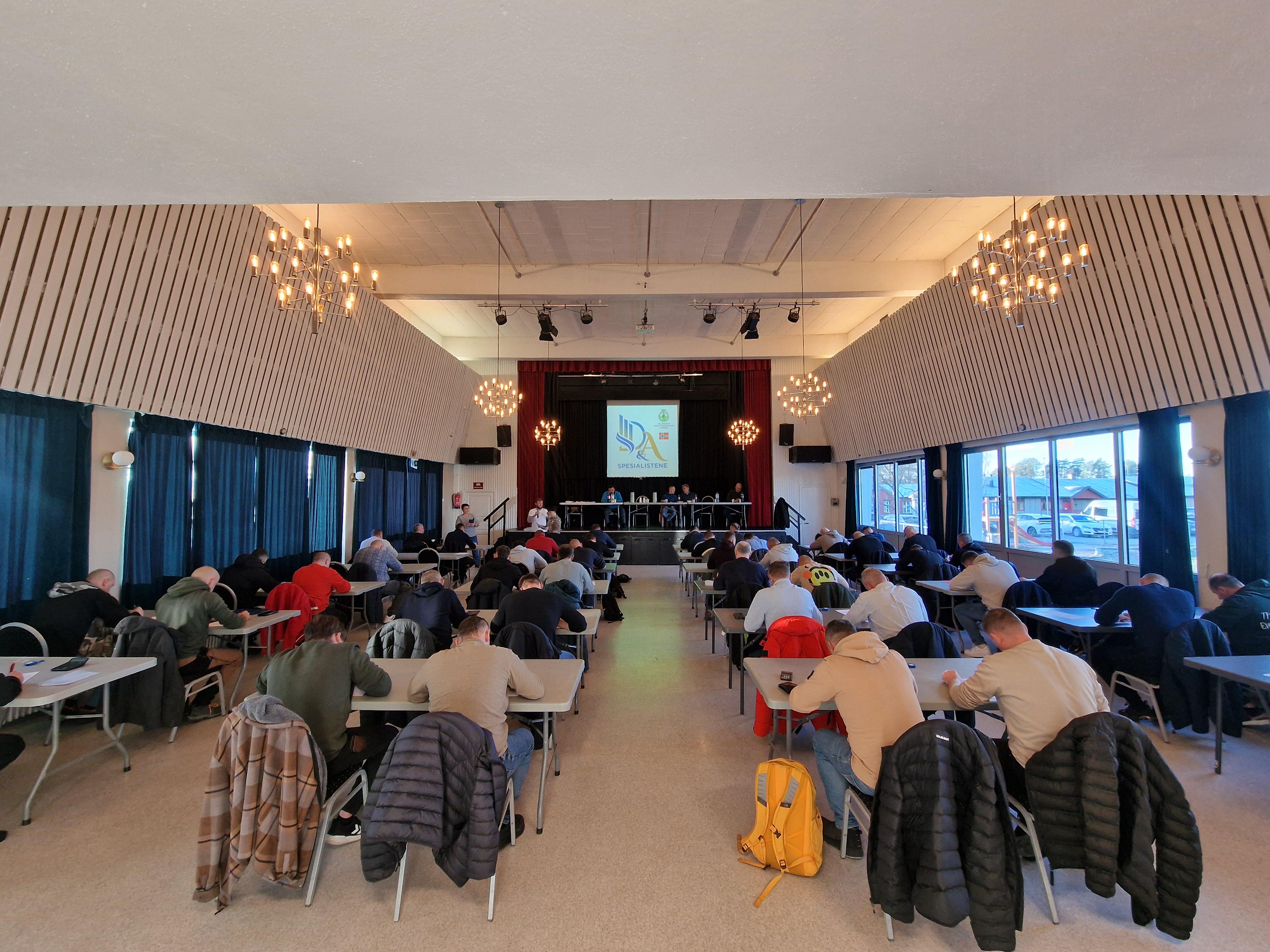
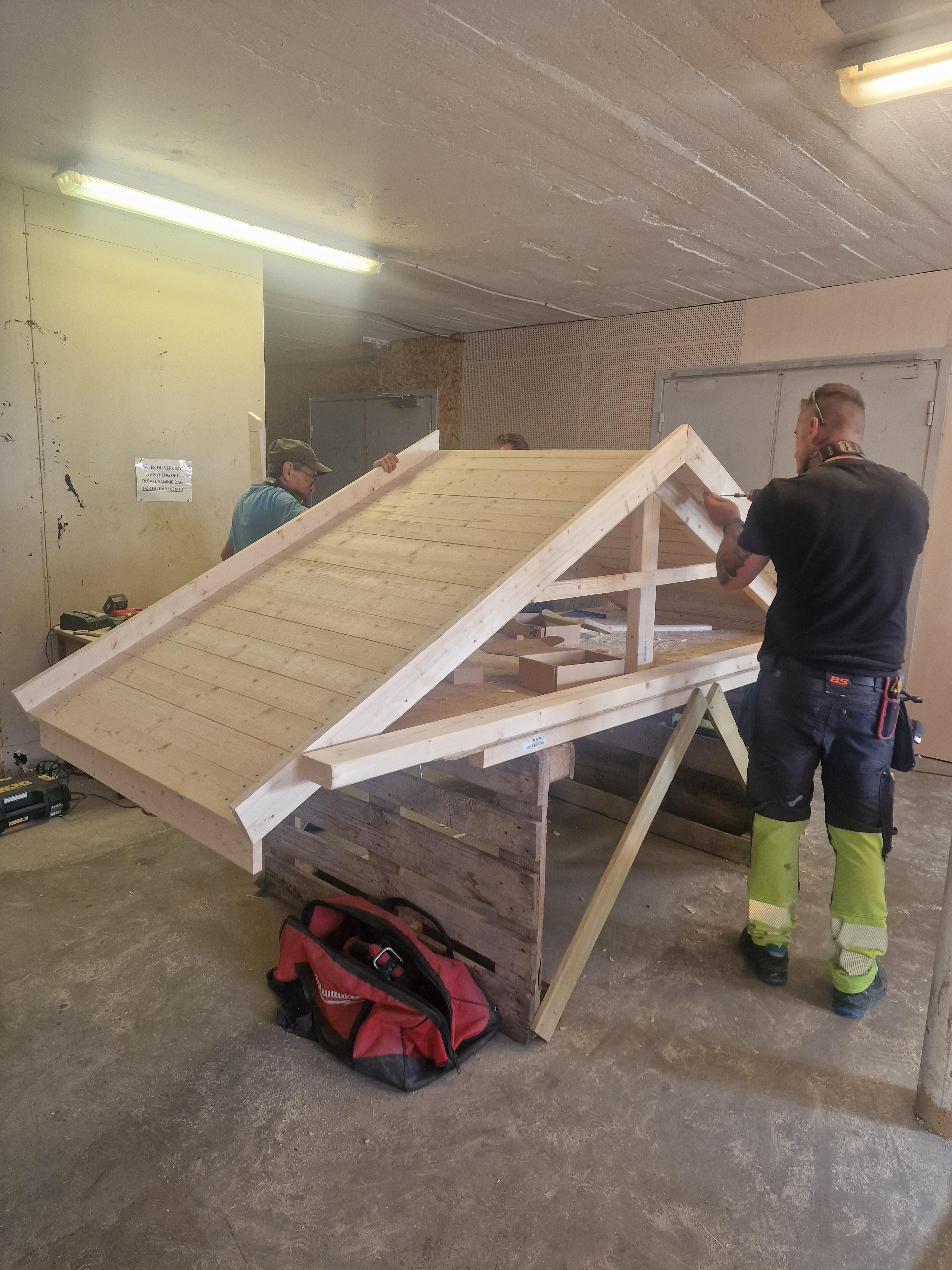
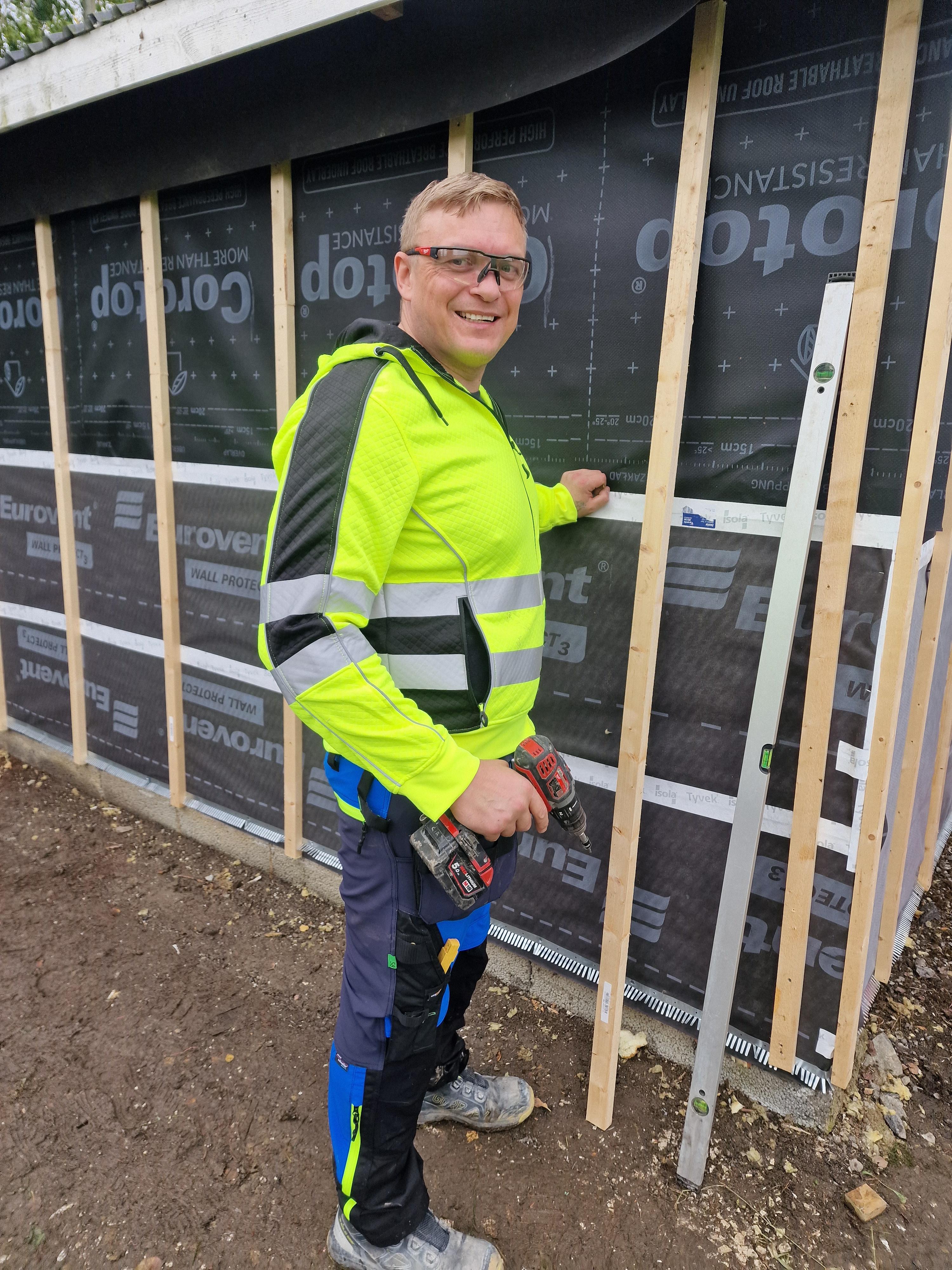
- the exam includes both theoretical and practical parts,
- it lasts two days – just like in Poland,
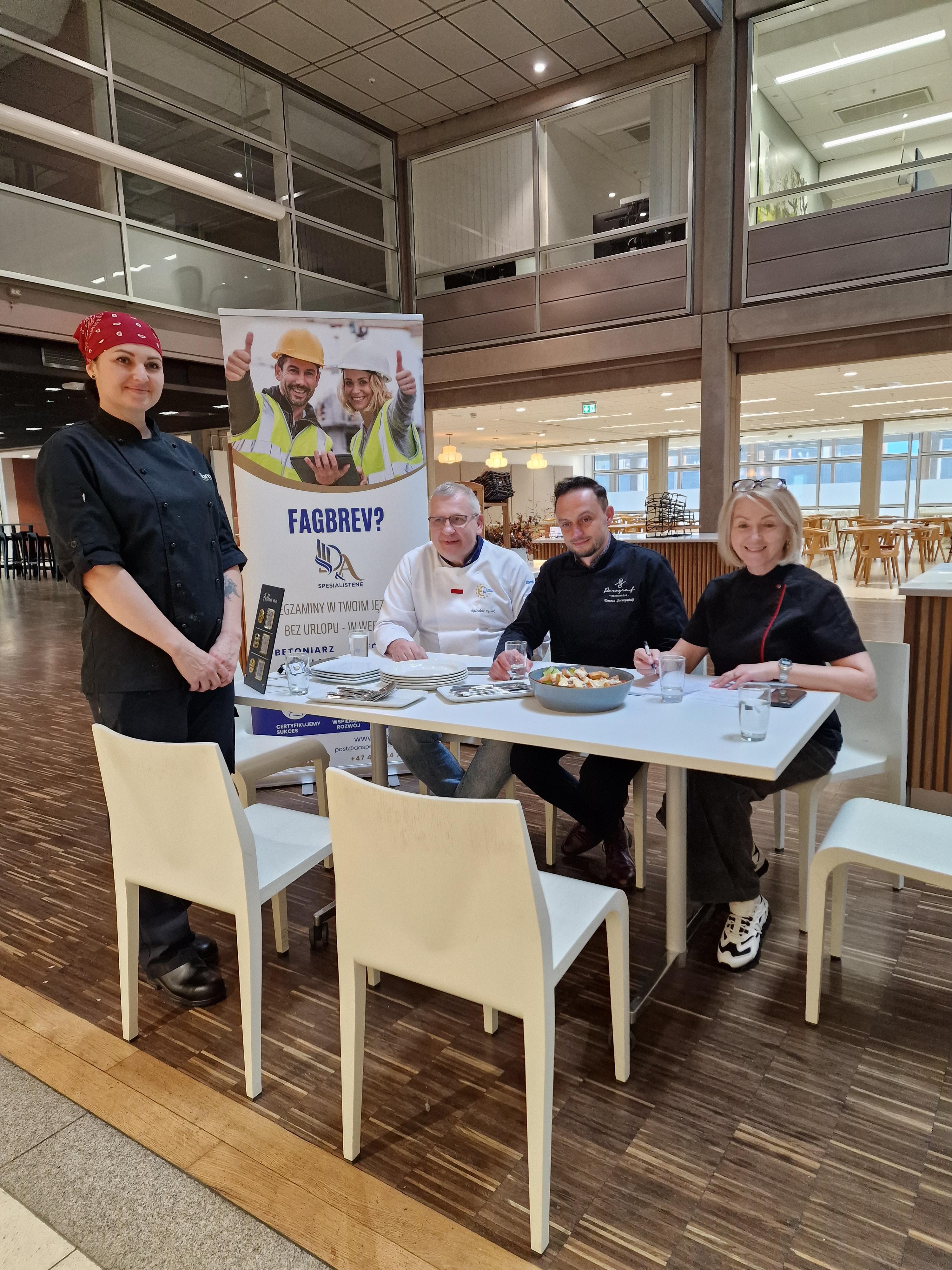
- the practical part takes place in adapted workshops and studios in cooperation with opplæringskontor,
- these are not "quick courses" or diploma sales.
Only after passing the exam is it possible to
submit an application to the Norwegian authority for recognition of qualifications. The final decision is made by HK-dir.
"A Document Does Not Create Competence – It Confirms It"
We asked Dominik Myszoglad, owner of
D&A Spesialistene AS, who has been observing the Norwegian labor market and the process of formalizing qualifications by foreign workers for years, to comment on the debate.
There is a lot of emotion in this discussion. However, it is worth separating concerns from facts. If a person with many years of experience takes an exam before an authorized board, passes both the theoretical and practical parts, and meets all formal requirements, it is hard to talk about lowering standards.~Dominik Myszoglad, D&A Spesialistene AS
As he points out, in many cases we are talking about workers who have been performing responsible tasks on Norwegian construction sites for years, but without a formal document.
A document does not create competence. It confirms it. For years, many people have worked in the profession without official confirmation of their qualifications. When the possibility arises to regulate them in accordance with the law, it is natural that their professional and negotiating position changes.~Dominik Myszoglad, D&A Spesialistene AS
In his opinion, the growing number of applications for qualification recognition is also a sign of a maturing market.
– Transparency fosters professionalism. Formal confirmation of competences increases transparency and facilitates the verification of skills. This is an element of labor market development, not a threat to its quality.~notes Dominik Myszoglad
How Does It Look in Practice?
The article also cites the position of D&A Spesialistene AS – a company enabling Polish journeyman exams in Norway. The company emphasizes that it does not conduct "quick courses" or sell diplomas, and the exams are held in accordance with applicable regulations before an official board from the Polish Chamber of Crafts.
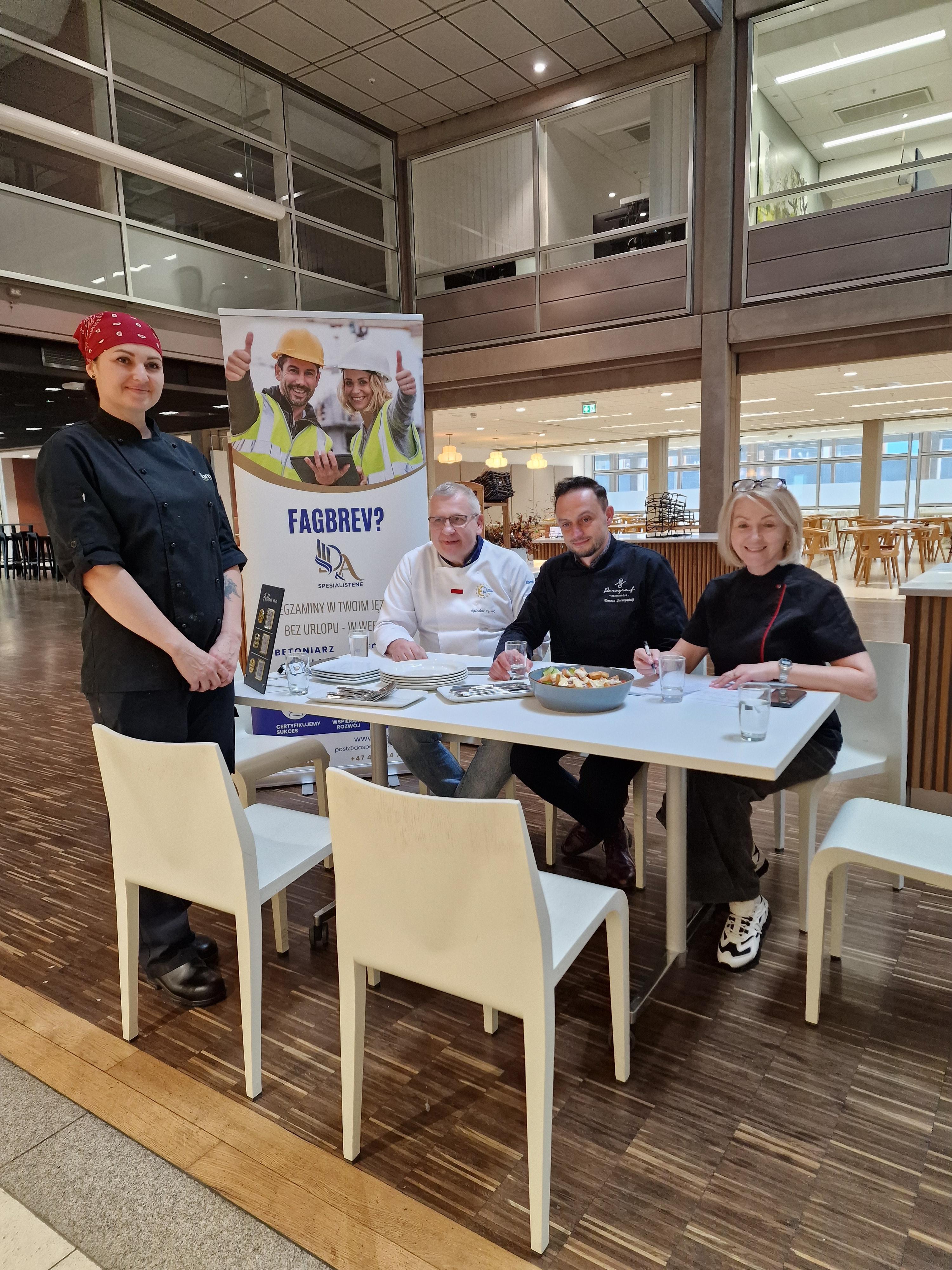
D&A Spesialistene AS is the only legally operating company in Norway that organizes Polish journeyman exams in cooperation with an official examination board from the Polish Chamber of Crafts affiliated with the Polish Craft Association.
We emphasize that organizing such exams requires formal authorizations and cooperation with the appropriate institutions. If there are entities on the market that do not have the proper legal basis to conduct this type of activity, these issues should be verified by the relevant authorities.
Our activities are fully transparent, documented, and conducted in accordance with applicable regulations – both on the Polish and Norwegian sides.~Dominik Myszoglad
The exam lasts two days and includes both theoretical and practical parts. Candidates must first document their professional experience. After passing, it is possible to apply to HK-dir for recognition of qualifications as equivalent to the Norwegian fagbrev or svennebrev.
The exams take place in adapted workshops and exam rooms, not in random locations. We declare our readiness for dialogue on the quality and standards of the system.~Dominik Myszoglad, D&A Spesialistene AS
A Broader Context of Changes in the Labor Market
The fact that the topic reached a nationwide business medium shows that this is not a niche phenomenon. The Norwegian labor market – especially the construction sector – increasingly relies on foreign workers. At the same time, the importance of formally documenting competences is growing.
A debate on standards and the quality of vocational education is necessary. At the same time, it is worth remembering that – as the publication indicates – there have been no allegations of illegal activities by specific entities. The dispute is rather about the systemic model and its long-term consequences for the industry.
This discussion fits into the broader question of how to reconcile worker mobility in Europe with maintaining high professional standards. One thing seems certain – the topic of recognizing foreign qualifications in Norway will keep returning, and its significance for thousands of workers remains real and practical.
Sources: Dagens Næringsliv, MultiNOR, DA Spesialistene
How do you rate this article?