Children as bargaining chips in negotiations? Poverty is rising again in Norway
The latest statistics confirm a long-standing and worrying trend: nearly 100,000 children in Norway live in families with very low incomes. Aid organizations warn that the situation for the youngest is not improving.
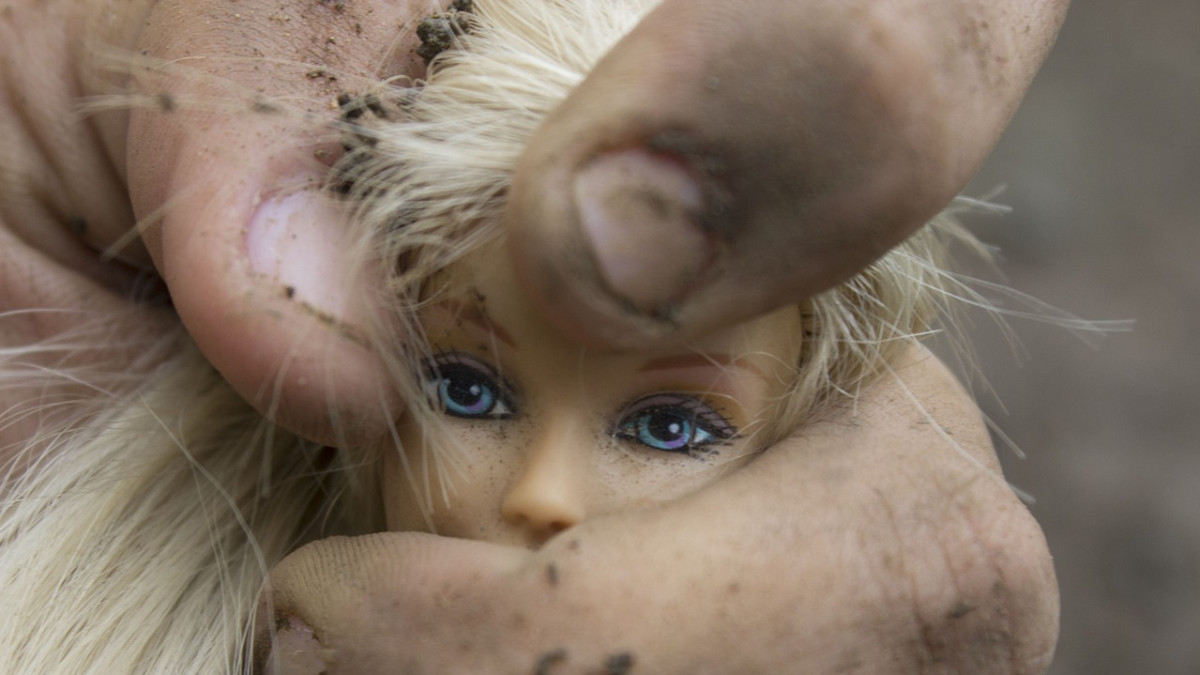
This marks a return to rising poverty after several years of improvement.
Fot. Pixabay
Statistics Norway (SSB) has published data on families living below the poverty line. The figures show that between 2022 and 2024, the number of children in difficult financial situations increased. Currently, the problem affects more than 10 percent of all minors in the country. Representatives of the Church City Mission (Kirkens Bymisjon) are sounding the alarm and calling for systemic changes.
Sad statistics are rising. Poverty affects thousands of children
According to the latest report, the problem concerns families who, over three years, had less than NOK 396,000 at their disposal. Currently, 98,700 children are in this situation. This is an increase of over 2,000 compared to the previous period.
Adelheid Firing Hvambsal from Kirkens Bymisjon considers these numbers alarming. In her opinion, the fact that the situation is not improving should shock society. The expert emphasizes that we must not become accustomed to such statistics.
Children often try to hide their poverty from peers and parents. Some students put rolled-up paper on their desks to pretend they have a packed lunch. Others tape up holes in their shoes or give up sports activities to avoid burdening the family budget.
Adelheid Firing Hvambsal from Kirkens Bymisjon considers these numbers alarming. In her opinion, the fact that the situation is not improving should shock society. The expert emphasizes that we must not become accustomed to such statistics.
Children often try to hide their poverty from peers and parents. Some students put rolled-up paper on their desks to pretend they have a packed lunch. Others tape up holes in their shoes or give up sports activities to avoid burdening the family budget.
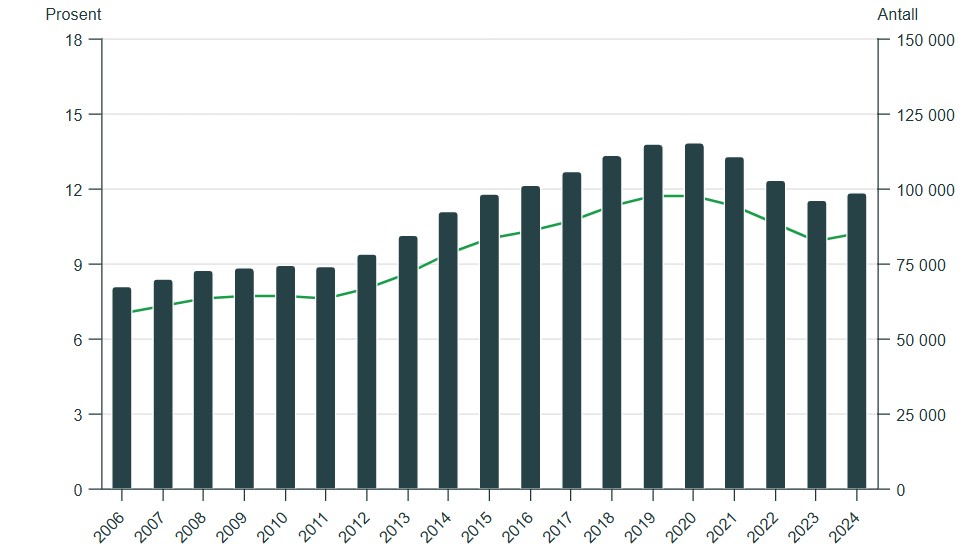
After a decline in 2020-2023, poverty among the youngest is rising again.Ill. SSB
The consequences are serious. Poverty affects the future
As activists remind us, growing up in poverty has a huge impact on the physical and mental development of young people. Children from poor families find it harder to make friends and concentrate on learning. These problems follow them for years and affect their adult lives.
Research shows clear differences in academic performance. After finishing primary school, children from poor households are on average two and a half years behind their peers from wealthier families in educational development. This gap drastically limits their chances in the job market.
Research shows clear differences in academic performance. After finishing primary school, children from poor households are on average two and a half years behind their peers from wealthier families in educational development. This gap drastically limits their chances in the job market.
Experts point out that the most effective way to combat this phenomenon is to increase child benefits. However, it is crucial that these benefits are indexed annually to inflation. Without this, the real value of aid decreases, and children become bargaining chips in budget negotiations.
How do you rate this article?