Another wave of strikes in Norway? The conflict is escalating
Fellesforbundet (the Norwegian United Federation of Trade Unions) announces an expansion of the strike in the hospitality industry. On May 3, an additional 1,161 employees from 98 companies will join the protest.
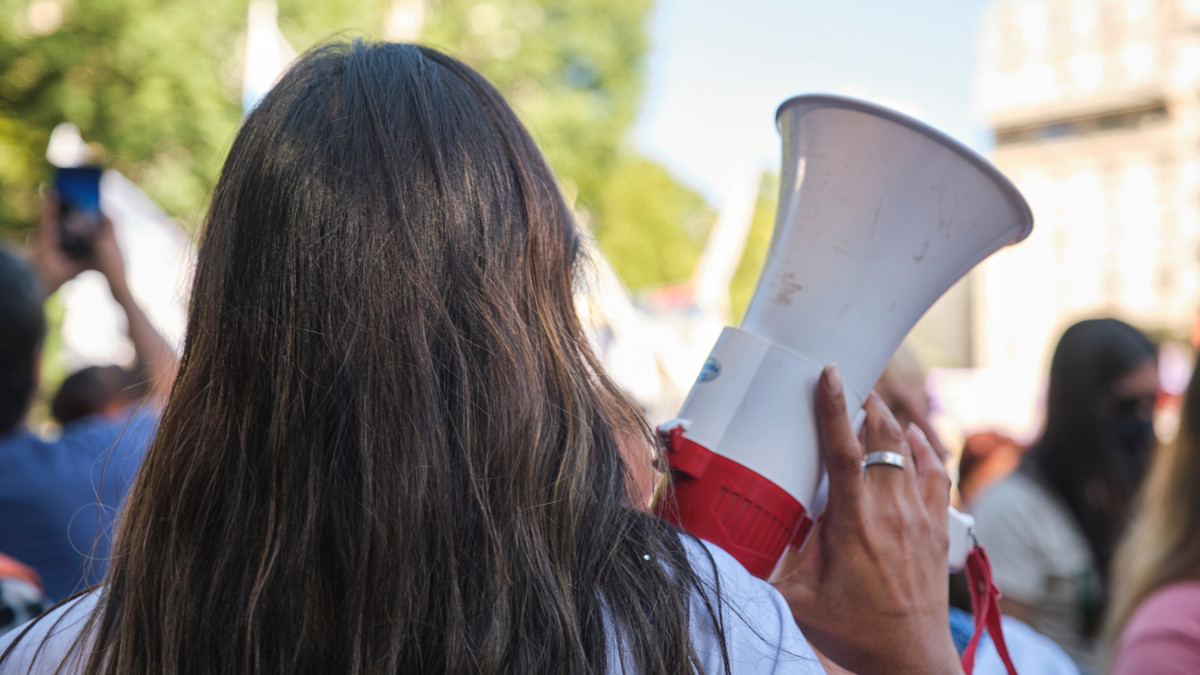
Both large and smaller companies are joining the protest.
Fot. Adobe Stock, licencja standardowa (zdjęcie poglądowe)
The strike has been ongoing since April 19. It involves employees of hotels, restaurants, bars, and canteens. The union is increasing pressure on employers. The dispute concerns wages and rules for the payment of sick leave benefits.
Larger scale of protest. Workers demand change
The decision to escalate was announced by Fellesforbundet leader Christian Justnes. In a statement, he emphasized the union's determination and pointed to the lack of response from NHO Reiseliv (the employers' organization for the tourism and hospitality sector). He announced an expansion of actions so that the strike would cover a total of 3,858 people in 286 companies.
More workplaces are being included in the action, bringing new employees from the sector into the protest. The Parat union is also participating. It has already registered 300 employees on strike in the fjord regions. Demonstrations are taking place, among others, in front of hotels in Oslo.
More workplaces are being included in the action, bringing new employees from the sector into the protest. The Parat union is also participating. It has already registered 300 employees on strike in the fjord regions. Demonstrations are taking place, among others, in front of hotels in Oslo.
The union points to employers ignoring workers' needs.Photo: Adobe Stock, standard license (illustrative photo)
Dispute over conditions and benefits
The unions present two main demands. They concern increasing purchasing power and advance payments of sick leave benefits. The latter remains the main point of contention. Negotiations in this area are difficult, and most likely this is why no agreement has been reached.
The employers' organization NHO Reiseliv has responded to the demands. Magne Kristensen, Director of Labor Policy, points out in E24 the limitations on the part of companies. He emphasizes that sick leave benefits are part of the public system and, in his opinion, responsibility lies with the state, including NAV. He also highlights the burden on small and medium-sized enterprises.
The employers' organization NHO Reiseliv has responded to the demands. Magne Kristensen, Director of Labor Policy, points out in E24 the limitations on the part of companies. He emphasizes that sick leave benefits are part of the public system and, in his opinion, responsibility lies with the state, including NAV. He also highlights the burden on small and medium-sized enterprises.
The positions of both sides remain divergent. The unions announce further decisions in the near future, while employers maintain their arguments regarding the benefits system. The situation may develop further, potentially leading to an even broader strike in the service sector as more companies join.
How do you rate this article?