Another Problem in Norway. Fish Farms at Risk
A report from the Institute of Marine Research indicates that further growth in fish production could lead to exceeding ecological safety limits. Scientists highlight the risk of so-called eutrophication, which is the excessive enrichment of waters with nutrients, potentially resulting in oxygen deficiency in the deeper parts of the fjord.
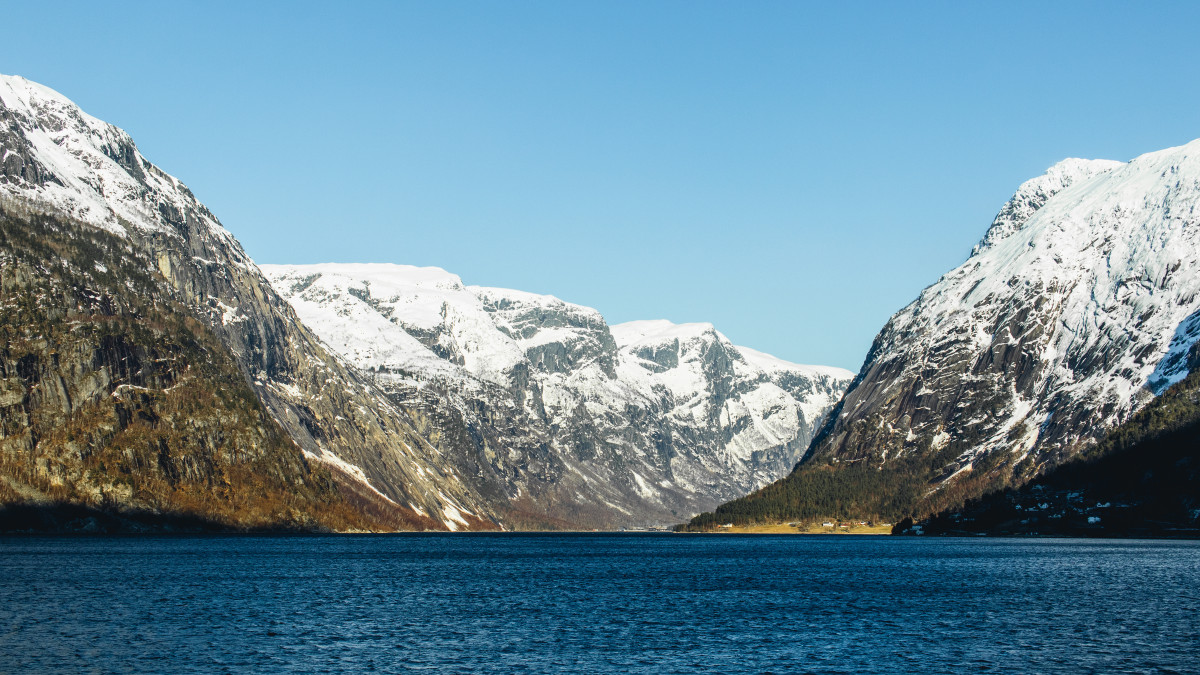
Hardangerfjorden threatened by eutrophication.
Fot. Adobe Stock, licencja standardowa
The research was conducted in response to concerns from the County Governor of Vestland, who noted a decline in oxygen levels in bottom waters and an increase in phytoplankton. Data indicate higher nitrogen concentrations, prompting authorities to temporarily halt the issuance of new fish farming permits in Hardangerfjorden.
Scientists confirm that current production still falls within acceptable environmental standards, but the potential for further development is limited. Exceptions are areas where contamination in bottom sediments has been detected.
Scientists confirm that current production still falls within acceptable environmental standards, but the potential for further development is limited. Exceptions are areas where contamination in bottom sediments has been detected.
Copper and Zinc Pollution in Farming Areas
The report indicates that the deteriorating environmental condition of the fjord is linked to the presence of heavy metals such as copper and zinc. These substances originate both from former industrial plants and from fish farms.
In the past, copper was used to protect nets from algae growth, which contributed to increased concentrations in sediments. Nowadays, farmers are increasingly abandoning this practice, opting for mechanical cleaning or alternative, less harmful methods.
In the past, copper was used to protect nets from algae growth, which contributed to increased concentrations in sediments. Nowadays, farmers are increasingly abandoning this practice, opting for mechanical cleaning or alternative, less harmful methods.

Issuance of new fish farming permits has been suspended.Photo: Eivind Senneset, Veterinærinstituttet
Eutrophication Risk and New Recommendations for Fish Farms
Scientists warn that planned aquaculture investments in Hardangerfjorden, especially in the Varaldsøy, Skåneviksfjorden, and Onarheimsfjorden areas, must be thoroughly analyzed. Simulation models indicate that increasing production could lead to excessive plankton growth and a decrease in oxygen levels in the water.
The problem is no longer limited to parasites such as salmon lice but also includes an excess of nutrients. Proper placement of future farms will be crucial to avoid further environmental deterioration of the fjord.
The problem is no longer limited to parasites such as salmon lice but also includes an excess of nutrients. Proper placement of future farms will be crucial to avoid further environmental deterioration of the fjord.
Protecting the Sensitive Ecosystems of Hardangerfjorden
The institute's report has already been submitted to the Norwegian administration, which will decide whether to allow further development of fish farming in the region. The Environmental Protection Agency emphasizes that the document will serve as the basis for considering new aquaculture permit applications.
Scientists are calling for the protection of sensitive ecosystems, including coral reefs and bamboo coral colonies found in Hardangerfjorden. Before new farming installations are built, they recommend a thorough examination of the fjord's seabed to prevent negative impacts on unique marine habitats.
Scientists are calling for the protection of sensitive ecosystems, including coral reefs and bamboo coral colonies found in Hardangerfjorden. Before new farming installations are built, they recommend a thorough examination of the fjord's seabed to prevent negative impacts on unique marine habitats.
How do you rate this article?