Will Norwegians Feel Relief in Their Wallets? Government Makes New Promise for 2027
The Norwegian government is starting work on the state budget for 2027. Prime Minister Jonas Gahr Støre and Finance Minister Jens Stoltenberg have announced that one of the main goals is to improve the financial situation of citizens. At the same time, they emphasize the need to make tough decisions in an environment of global uncertainty.
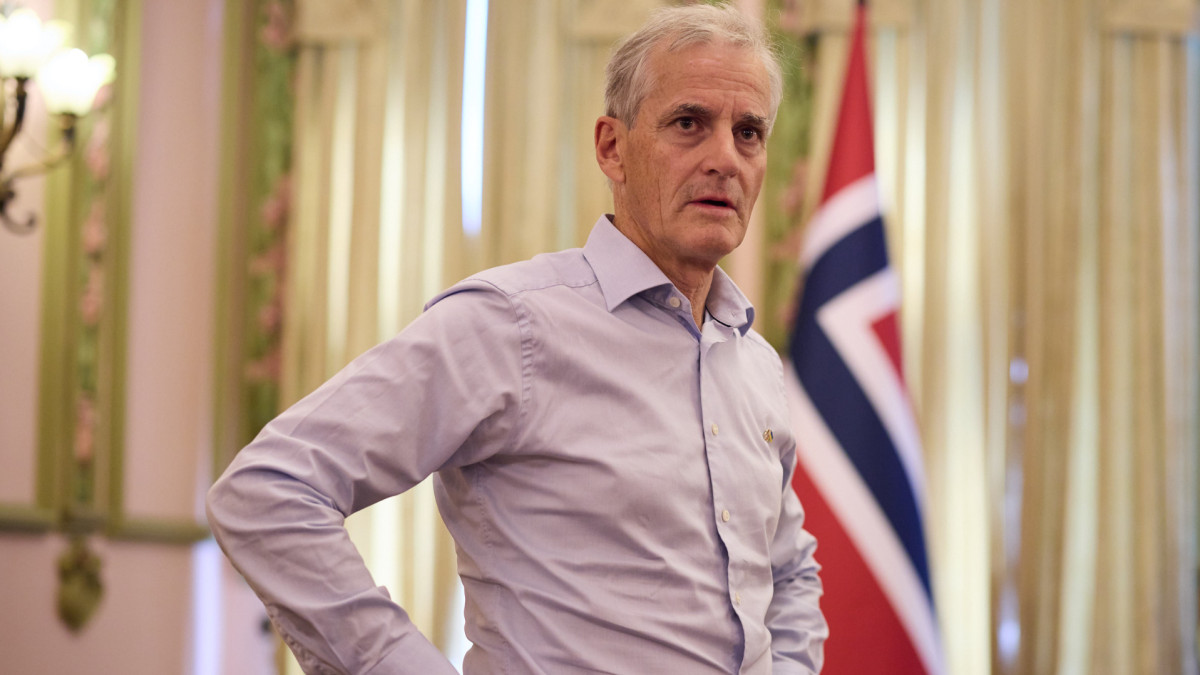
The government announces a cautious spending policy.
Fot. Zelensky Press Service, Flickr.com (CC BY-NC 2.0)
On March 10, the government held its first joint meeting to prepare the 2027 budget. The talks are taking place amid a tense international situation. The war in Ukraine has been ongoing for five years. There is a major armed conflict in the Middle East. According to the Prime Minister, these events will influence the shape of next year's budget.
Budget Priorities Amid Global Tensions
Prime Minister Jonas Gahr Støre announced that the budget will be based on "difficult priorities." The government primarily wants to strengthen national security. Defense and broadly understood social security will play a key role. Another focus area is healthcare and the care system. The financial situation of local governments is also among the priorities.
– I don't want to point to any specific area, but we must set priorities. We have good ministers who will take on this responsibility together. When we find ourselves in the most difficult situation I have ever experienced as a politician, preparation and defense will be most important. This will have consequences – he commented in VG regarding the planned budget cuts.
Støre emphasized that the budget will be restrictive. The government wants to finance the most important areas first. This means slower spending growth in other sectors, which is considered a reasonable solution in a situation of global uncertainty.
– I don't want to point to any specific area, but we must set priorities. We have good ministers who will take on this responsibility together. When we find ourselves in the most difficult situation I have ever experienced as a politician, preparation and defense will be most important. This will have consequences – he commented in VG regarding the planned budget cuts.
Støre emphasized that the budget will be restrictive. The government wants to finance the most important areas first. This means slower spending growth in other sectors, which is considered a reasonable solution in a situation of global uncertainty.

The government denies misleading voters about interest rates before the elections.Photo: Adobe Stock, standard license
Household Incomes and the Interest Rate Dispute
The government declares it wants to improve residents' financial situation in 2027. Stoltenberg pointed out that in the past two years, wages have grown faster than prices. The difference was about 2 percent per year in favor of wage growth. According to the minister, maintaining this trend requires a cautious spending policy. In his view, responsible use of public funds is crucial.
Støre emphasized that decisions regarding interest rates are up to Norges Bank. He noted that the government can only pursue policies that help reduce inflation and stabilize the economy. Stoltenberg also reminded that politicians cannot promise specific decisions by the central bank.
Støre emphasized that decisions regarding interest rates are up to Norges Bank. He noted that the government can only pursue policies that help reduce inflation and stabilize the economy. Stoltenberg also reminded that politicians cannot promise specific decisions by the central bank.
During the interview with VG, the impact of global conflicts on the Norwegian economy was also discussed. Stoltenberg noted that rising oil prices do not necessarily mean lasting benefits for the country. He emphasized that Norway has become primarily a major investor in global financial markets. The value of the state investment fund now exceeds NOK 24 trillion. According to the minister, changes in global stock and bond prices are now more important for Norway's finances than the price of oil and gas itself.
How do you rate this article?