What’s next for electricity in Norway? The land of fjords should learn from Ukraine’s example
Norway’s energy sector is warning about the growing risk of sabotage. Industry representatives point to attempted break-ins, drone flights, and efforts to obtain information about infrastructure. In their opinion, Norway should draw lessons from Ukraine’s experiences.
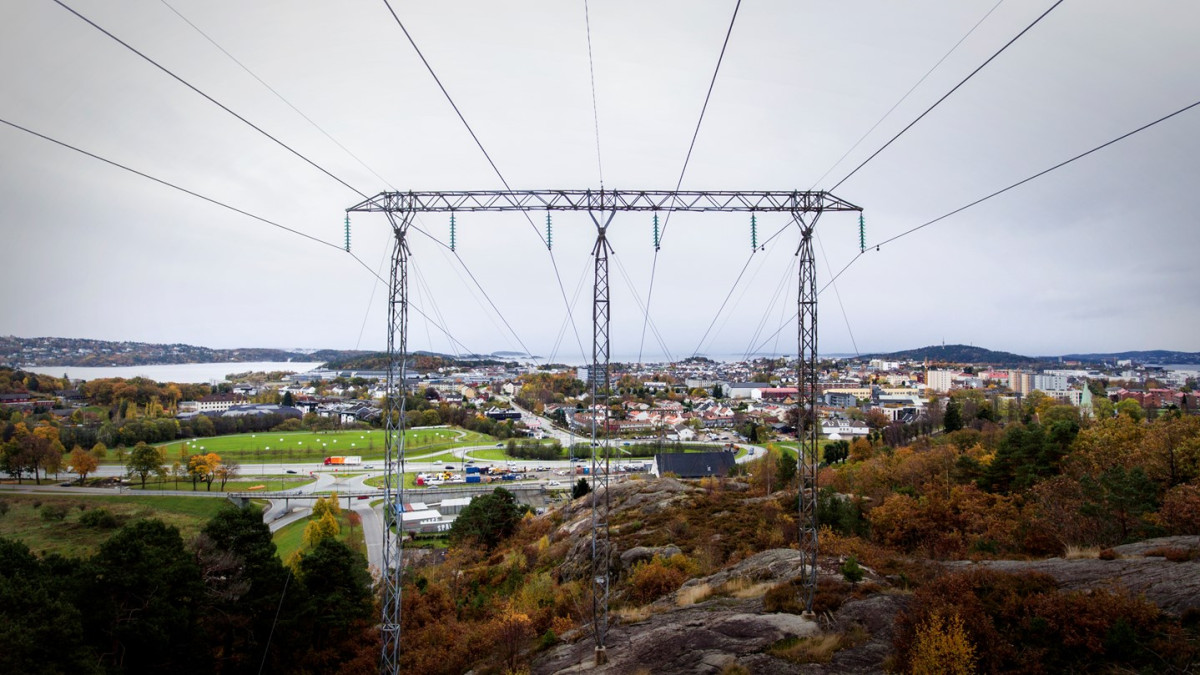
The protection of technical data related to installations is becoming increasingly important.
Fot. materiały prasowe Agder Energi
Energy companies in Norway are calling for urgent measures to increase the security of the power grid. They point out that the infrastructure is vulnerable to sabotage, cyberattacks, and intelligence activities. Examples of such incidents have been recorded in the Mongstad area in western Norway. The energy sector emphasizes that the threats are real and require a state response.
Concerns about the security of energy infrastructure
The new transformer station in Mongstad transmits energy to companies crucial for supplying power to Europe. The facility is located near Norway’s only oil refinery. According to industry representatives, such installations could be potential targets for attacks. Recently, there have been attempts to break into IT systems. Drone flights over installations have also been reported.
Energy sector employees also report situations where unknown individuals tried to obtain information about facilities. Such incidents have been recorded in several locations in the region. According to energy companies, this shows the vulnerability of infrastructure to hostile actions. The industry points out that similar attacks on the power grid have occurred in Ukraine, where infrastructure has repeatedly been targeted by Russian strikes.
Energy sector employees also report situations where unknown individuals tried to obtain information about facilities. Such incidents have been recorded in several locations in the region. According to energy companies, this shows the vulnerability of infrastructure to hostile actions. The industry points out that similar attacks on the power grid have occurred in Ukraine, where infrastructure has repeatedly been targeted by Russian strikes.
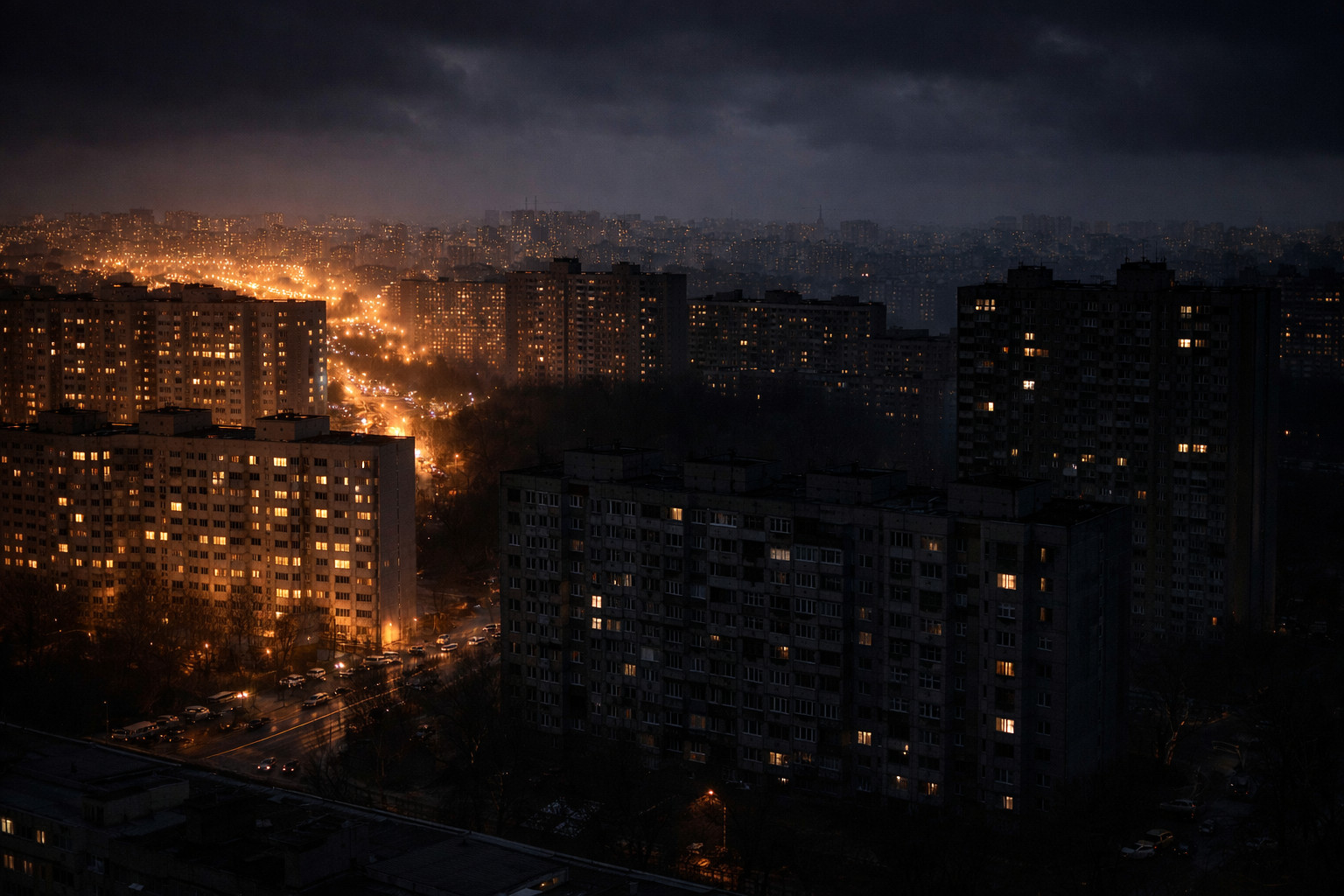
In recent years, the number of cybersecurity incidents in the energy sector in Europe has been rising.Photo generated with AI
Industry calls for new protective measures
Eviny energy company CEO Ragnhild Janbu Fresvik believes immediate action is necessary. Proposed solutions include strengthening air defense around key facilities and banning drone flights over energy installations. She also points to the assessment of the Norwegian Police Security Service (PST), which considers sabotage against Norwegian infrastructure likely. According to the industry, the threats require a swift response.
The industry organization Fornybar Norge emphasizes that the energy sector could become a target for terrorist attacks. Its CEO, Bård Vegar Solhjell, notes that clearer requirements from authorities are needed. This includes physical security for facilities, training, and the ability to quickly repair the grid. The cost of strengthening the security of energy infrastructure is estimated at 10–15 billion NOK. The issue of funding is to be decided at the political level.
The industry organization Fornybar Norge emphasizes that the energy sector could become a target for terrorist attacks. Its CEO, Bård Vegar Solhjell, notes that clearer requirements from authorities are needed. This includes physical security for facilities, training, and the ability to quickly repair the grid. The cost of strengthening the security of energy infrastructure is estimated at 10–15 billion NOK. The issue of funding is to be decided at the political level.
Some energy companies have already begun strengthening infrastructure protection. At Eviny and its subsidiary BKK, around 1,500 employees have been trained in information security. Digital system protections have also been reinforced. Companies are also increasing their ability to quickly repair the grid after possible acts of sabotage. Operators are identifying the most sensitive elements of the energy infrastructure and preparing additional resources to deal with failures.
How do you rate this article?