The World Holds Its Breath. Oil Prices Rising at Fastest Pace in Years
Oil prices are surging sharply after the escalation of the conflict with Iran. Crude prices have exceeded $100 per barrel. Asian stock markets are reacting with steep declines. Tensions are centered around transport through the Strait of Hormuz.
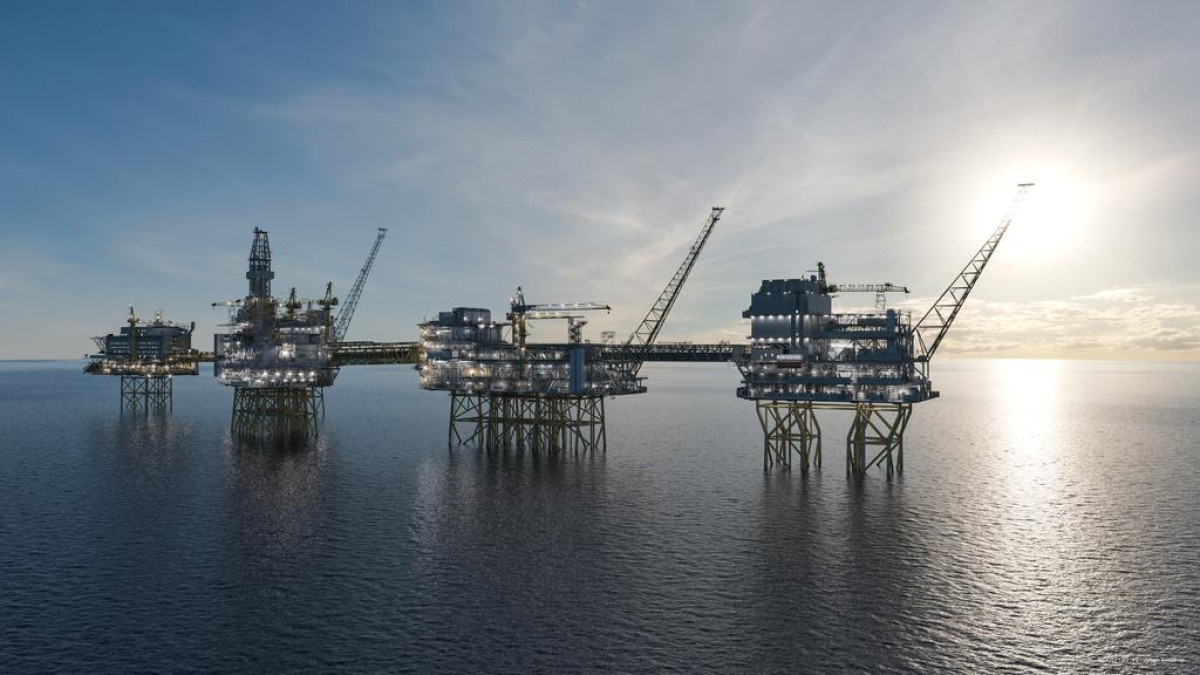
Equinor is the largest oil and gas company in Norway.
Fot. materiały prasowe Equinor
Last week, the price of oil rose by 27 percent compared to the previous week. On the evening of March 6, a barrel cost $92.88. When trading resumed late on March 8, the increases accelerated. On February 9, around 9 a.m., Brent crude was up 15 percent to $107 per barrel. This is the highest level since the summer of 2022, according to data from Infront.
Oil Surpasses $100
As oil prices rise, the shares of oil companies in Oslo are also climbing. Equinor shares were up 3.8 percent in the morning. Aker BP rose by 2.3 percent. Vår Energi saw an increase of 2.5 percent. At the same time, the main index of the Oslo Stock Exchange fell by 0.26 percent.
American WTI crude also became more expensive. Its price rose by 14.8 percent to $104.8 per barrel on the spot market. Meanwhile, sharp declines appeared on Asian stock exchanges. Indices in Seoul and Tokyo dropped by about 7 percent. Declines are also visible in futures contracts on Wall Street, where S&P 500 futures fell by more than 2 percent.
American WTI crude also became more expensive. Its price rose by 14.8 percent to $104.8 per barrel on the spot market. Meanwhile, sharp declines appeared on Asian stock exchanges. Indices in Seoul and Tokyo dropped by about 7 percent. Declines are also visible in futures contracts on Wall Street, where S&P 500 futures fell by more than 2 percent.
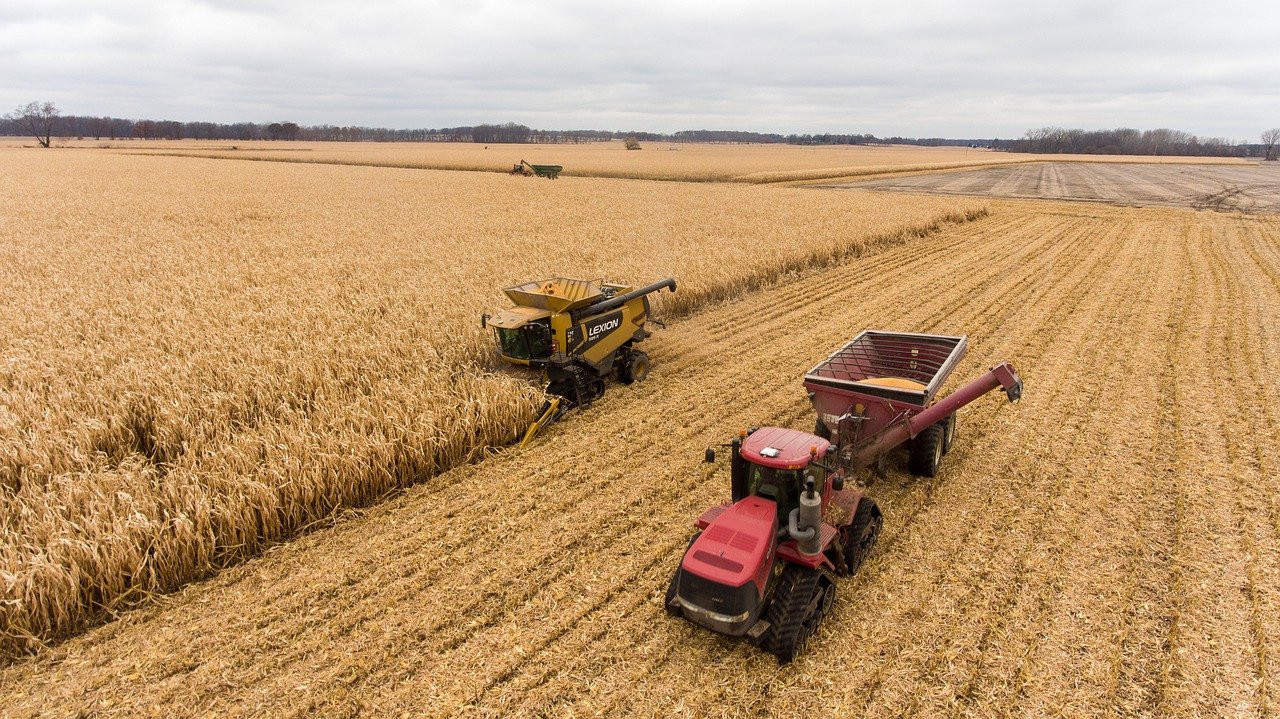
Higher energy prices may hit agriculture.Photo: Pixabay
Strait of Hormuz Key for Transport
The backdrop to the price increase is tension in the Middle East. On February 28, the US and Israel carried out an attack on Iran. Since then, Iran has been sending rockets and drones toward various countries in the region. Tehran is also threatening attacks on tankers passing through the Strait of Hormuz. This is one of the most important oil and gas transport routes in the world.
According to CNN, between 60 and 100 tankers usually pass through the strait daily. Some ships are still using this route. US Secretary of Energy Chris Wright estimates that the situation may stabilize within a few weeks. At the same time, some countries in the region have limited oil and gas production. Iraq, Kuwait, and Abu Dhabi National Oil Company have suspended some extraction due to transport problems.
According to CNN, between 60 and 100 tankers usually pass through the strait daily. Some ships are still using this route. US Secretary of Energy Chris Wright estimates that the situation may stabilize within a few weeks. At the same time, some countries in the region have limited oil and gas production. Iraq, Kuwait, and Abu Dhabi National Oil Company have suspended some extraction due to transport problems.
Rising energy prices may also affect other sectors of the economy. In Europe, gas prices surged last week. The TTF contract rose to 53 euros per megawatt-hour from 31 euros before the attacks on Iran. According to Yara, more expensive gas increases fertilizer production costs. At the same time, some fertilizers produced in the Middle East are currently not reaching markets. If disruptions persist, farmers may also feel the effects, for example through higher fuel and fertilizer prices.
How do you rate this article?