The End of Norwegian Openness? The Land of Fjords Grows Increasingly Skeptical
Norwegians are becoming more restrictive towards immigration and integration. This is shown by the Integreringsbarometeret 2026, or the Integration Barometer 2026, prepared for IMDi (the Directorate of Integration and Diversity).

The biggest change is seen among young men, who are now more critical of immigration than before.
Fot. Ylva Berg, IMDi
This is the 12th edition of the survey. The report concerns attitudes towards immigration, integration, and diversity. The survey was conducted in November and December 2025, with around 3,000 people from a representative sample participating.
Skepticism Returns After Wave of Solidarity. Changes in Norway
Half of respondents believe that Norway should not admit more migrants. There is particularly strong reluctance towards refugees, asylum seekers, and family members. Only 17 percent of respondents say the country should accept more people from these groups. About 70 percent also disagree with their municipality settling more refugees. This is the lowest level of support since 2017, when similar reports began to be prepared.
After Russia's invasion of Ukraine in 2022, the willingness to accept refugees increased. Currently, this effect is fading, and some opinions have returned to pre-war levels. In some areas, attitudes are even more restrictive than before 2022. Since then, over 100,000 people, including many from Ukraine, have arrived in Norway.
After Russia's invasion of Ukraine in 2022, the willingness to accept refugees increased. Currently, this effect is fading, and some opinions have returned to pre-war levels. In some areas, attitudes are even more restrictive than before 2022. Since then, over 100,000 people, including many from Ukraine, have arrived in Norway.
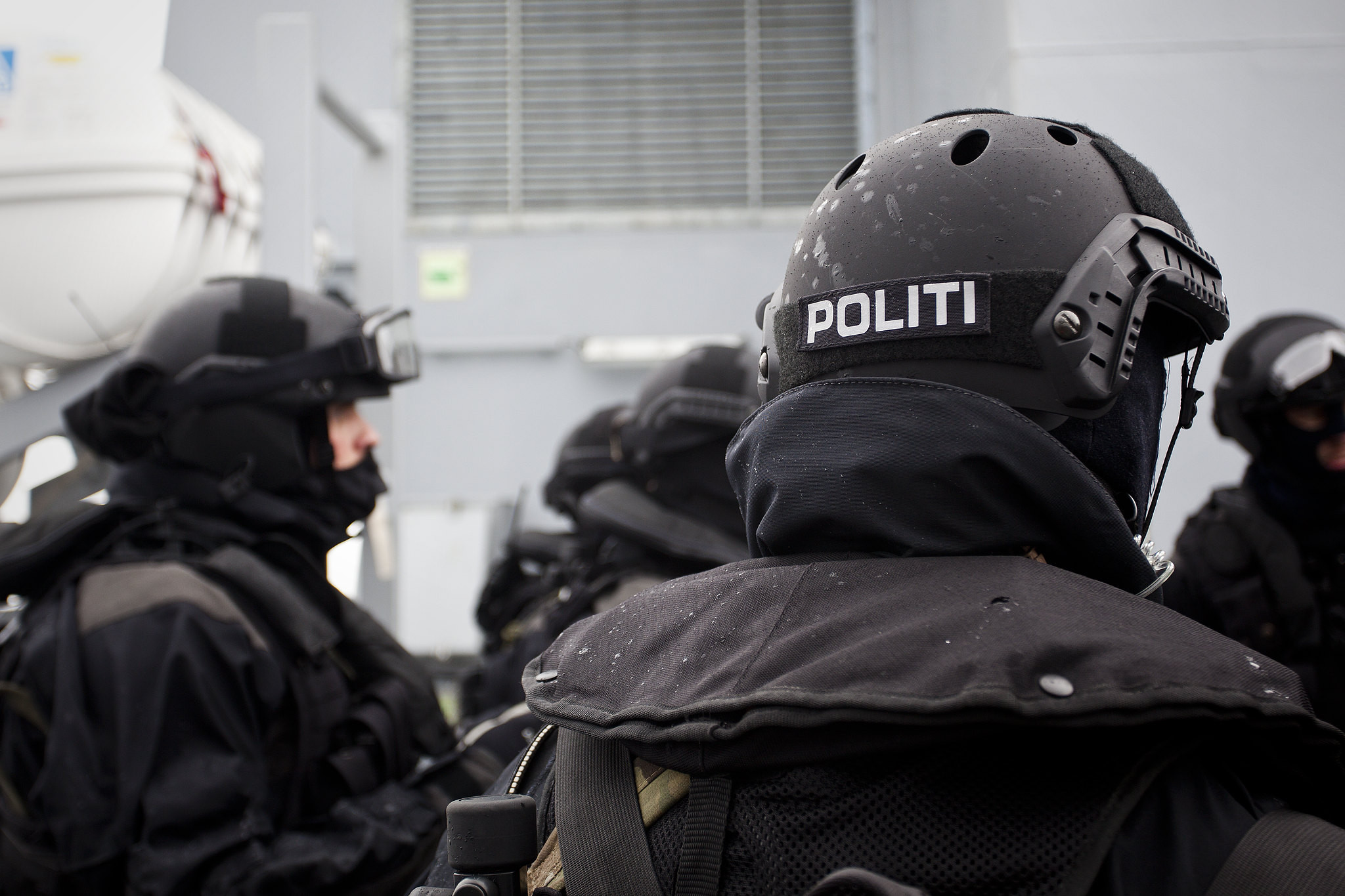
Seven out of ten respondents believe that increased immigration will lead to higher crime rates in Norway.Photo: Peder Torp Mathisen (Flickr.com, CC BY-NC 2.0) (illustrative photo)
Integration Judged Differently Nationally and Locally
Almost half of those surveyed believe that integration is going poorly. Just over 20 percent rate it positively. Fewer and fewer respondents believe that relations between immigrants and the rest of society will improve. This is the lowest level since 2005. In 2025, 84 percent of respondents indicated that the lack of integration is due to the attitudes of the immigrants themselves.
However, the picture is not uniform. Respondents rate labor immigrants more positively, believing they support the economy and the welfare system. Integration in one's immediate surroundings is rated better than integration on a national scale. Three-quarters of respondents believe that immigrants face discrimination, especially at work and in the rental market. Eight out of ten people said that racism bothers them.
Residents of large cities, wealthy municipalities, and areas with a high percentage of immigrants are more positive about integration than those living in smaller municipalities or areas with fewer immigrants.
However, the picture is not uniform. Respondents rate labor immigrants more positively, believing they support the economy and the welfare system. Integration in one's immediate surroundings is rated better than integration on a national scale. Three-quarters of respondents believe that immigrants face discrimination, especially at work and in the rental market. Eight out of ten people said that racism bothers them.
Residents of large cities, wealthy municipalities, and areas with a high percentage of immigrants are more positive about integration than those living in smaller municipalities or areas with fewer immigrants.
The survey results have sparked political reactions. Minister of Labor and Integration Kjersti Stenseng told NRK that Norway should not accept more people than it can integrate well. She also pointed to pressure on housing and social services.
Lars Løvland, leader of the Progress Party's youth wing, spoke about excessively high immigration and weak integration policies. Nimrah Ramzan, deputy leader of the Norwegian Labour Party's youth wing, said that the Progress Party portrays immigration as a greater threat than is reflected by the actual number of asylum seekers.
Lars Løvland, leader of the Progress Party's youth wing, spoke about excessively high immigration and weak integration policies. Nimrah Ramzan, deputy leader of the Norwegian Labour Party's youth wing, said that the Progress Party portrays immigration as a greater threat than is reflected by the actual number of asylum seekers.
How do you rate this article?