The End of Fuel Discounts in Norway Is Approaching. Each Party Has Its Own Proposal
The Norwegian Conservative Party (Høyre) has announced the end of lower fuel prices after the summer holidays. The party wants to replace excise duty reductions with tax cuts.
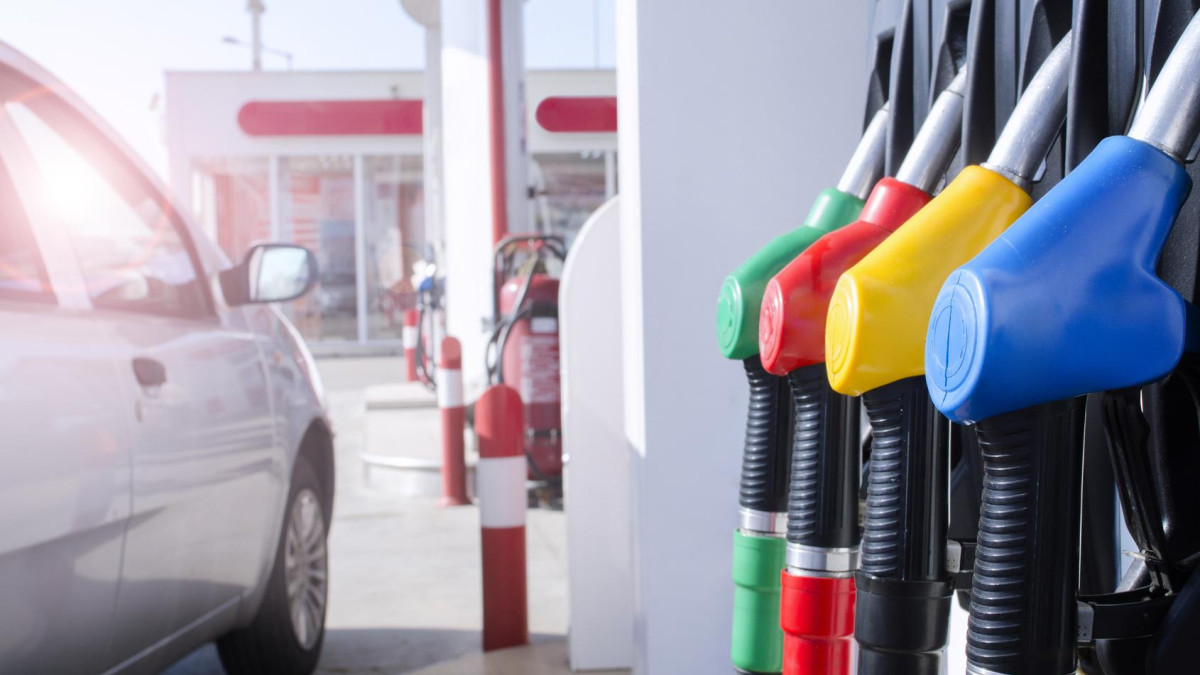
The dispute concerns not only fuel prices, but also the approach to fiscal policy.
Fot. Fotolia.com / Royalty Free
The Norwegian parliament's decision to temporarily lower fuel taxes is valid until September 1. As a result, petrol and diesel prices range from 16 to 24 NOK per liter. Høyre leader Ine Eriksen Søreide confirmed that the measure will not be extended. The declaration was made during her first speech as party leader before the central board.
Høyre Moves Away from Cheaper Fuel in Norway
Ine Eriksen Søreide pointed out that cheaper fuel was not the party’s preferred solution. She emphasized that the reductions were temporary. Høyre wants to replace them with other relief measures. The proposals include lower income and wealth taxes. The party plans to submit the idea during the budget debate.
In March, it was Høyre’s proposal that gained a majority in parliament. This happened after the Centre Party supported the motion together with the Conservative Party, the Progress Party, and the Christian Democratic Party on March 26. Currently, the party signals a change in its position. Søreide notes that previous tax cut proposals did not gain support. In her view, this made it necessary to introduce temporary excise reductions.
In March, it was Høyre’s proposal that gained a majority in parliament. This happened after the Centre Party supported the motion together with the Conservative Party, the Progress Party, and the Christian Democratic Party on March 26. Currently, the party signals a change in its position. Søreide notes that previous tax cut proposals did not gain support. In her view, this made it necessary to introduce temporary excise reductions.

Høyre signals that it hopes for a different parliamentary majority in the future.Photo: flickr.com/ Høyre/ photo by Hans Kristian Thorbjørnsen/ https://creativecommons.org/licenses/by-nc/2.0/
Opposition from Other Parties. Are the Conservatives Losing?
The Progress Party opposes the plans to end the discounts. The party’s deputy leader, Hans Andreas Limi, wants them extended at least until the end of the year. He also announces further actions in 2027. He argues that high taxes in Norway justify their reduction. He also emphasizes that the cuts have a direct impact on fuel prices.
Limi points out that tax changes are harder to implement during the fiscal year. In his opinion, it is easier to continue excise reductions. The Centre Party also reacts critically. Leader Trygve Slagsvold Vedum points to the impact on the transport and construction sectors. He does not rule out extending the discounts after September 1, just like the Christian Democratic Party.
Limi points out that tax changes are harder to implement during the fiscal year. In his opinion, it is easier to continue excise reductions. The Centre Party also reacts critically. Leader Trygve Slagsvold Vedum points to the impact on the transport and construction sectors. He does not rule out extending the discounts after September 1, just like the Christian Democratic Party.
At the same time, the government signals the possibility of introducing measures to limit fuel consumption in the event of shortages related to the international situation, including the conflict in Iran. Politicians’ statements show that the direction of changes remains open. Final decisions may be made during work on the next budget, which will determine the scope of support for households and businesses.
How do you rate this article?