The Arctic is no longer frozen. Such temperatures have never been recorded before
A record-early ground thaw has been observed in Svalbard. In April, the temperature at a depth of 20 centimeters reached 0 degrees Celsius.
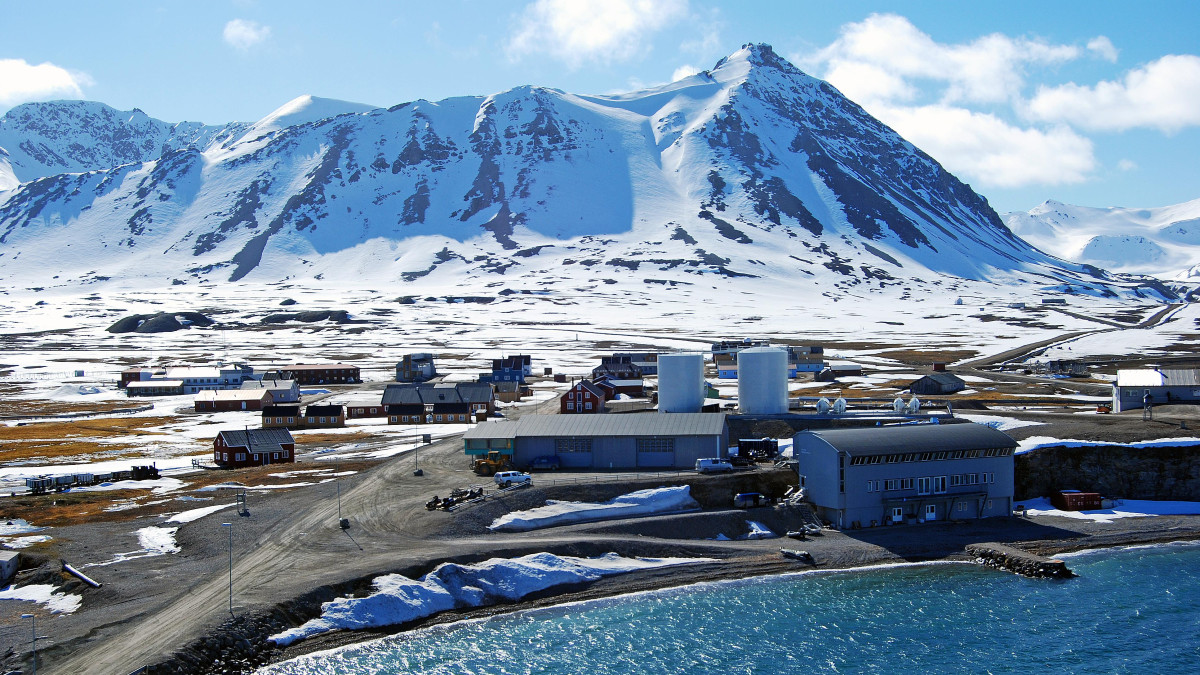
The temperature in the Arctic is rising faster than the global average.
Fot. wikimedia.org/ fot. Harvey Barrison/ CC BY-SA 2.0 (zdjęcie poglądowe)
Meteorologists emphasize that April should be a "completely frozen" month in Svalbard. In 2026, the situation is different. The Meteorological Institute reports results that surpass all measurements taken since 1998. The data confirms unusual thawing during a period when the archipelago is typically frozen.
Record-breaking ground thaw. Nothing like this has happened in Svalbard before
Since 1998, scientists have been monitoring changes in the permafrost in Svalbard. The upper layer of soil, known as the active layer, thaws every summer. Its thickness usually ranges from 1 to 2 meters. Factors such as soil type, moisture, and vegetation play a role. Below is the permafrost, where the temperature does not exceed 0 degrees.
In April 2026, the temperature reached 0 degrees at a depth of just 20 centimeters. This is the earliest such occurrence since measurements began. Satellite images from April 4 and 20 show clear changes in the snow cover. The scale of the phenomenon is far from normal for this period. The warm weather also led to the closure of the ski slope.
In April 2026, the temperature reached 0 degrees at a depth of just 20 centimeters. This is the earliest such occurrence since measurements began. Satellite images from April 4 and 20 show clear changes in the snow cover. The scale of the phenomenon is far from normal for this period. The warm weather also led to the closure of the ski slope.
Record-early thawing of the ground in Svalbard! 📈
In April 2026, the temperature at 20 cm depth reached 0 degrees. This surpasses everything we've measured since 1998. We are witnessing thawing in a month that should be frozen🌍🌡️
👇Satellite images show significant differences from April 4 to 20, 2026See the post on Yr· Today at 11:43
Problems for scientists. What to do with Svalbard?
Ny-Ålesund is the northernmost settlement and a center for environmental research. Institutions from ten countries operate there. Between 35 and 40 people live there permanently. Access to the settlement requires an invitation. In recent days, wet snow and flowing water have been observed there.
Glaciologist Jack Kohler is unable to conduct field research. Scientists were supposed to measure the snow cover on glaciers. However, they were grounded not because of bad weather, but due to early warming, rain, and above-freezing temperatures. There is water under the snow, which poses a danger for traveling by snowmobile. Kohler points out that similar situations have occurred before, sometimes lasting up to a week.
Glaciologist Jack Kohler is unable to conduct field research. Scientists were supposed to measure the snow cover on glaciers. However, they were grounded not because of bad weather, but due to early warming, rain, and above-freezing temperatures. There is water under the snow, which poses a danger for traveling by snowmobile. Kohler points out that similar situations have occurred before, sometimes lasting up to a week.
The researcher relates these phenomena to broader climate changes. He points out that temperatures in the Arctic are rising faster than the global average. He draws attention to the retreat of sea ice. The coming months will reveal how far the changes in Svalbard will go.
How do you rate this article?