Svalbard Under Tighter Control. What Will Happen to Five Polish Stations
Norway is tightening the rules for conducting scientific research in Svalbard. Scientists will have to meet new language requirements, and the equipment they use will require prior approval from local authorities. The government is also limiting the possibility of establishing further research stations in the Arctic archipelago.
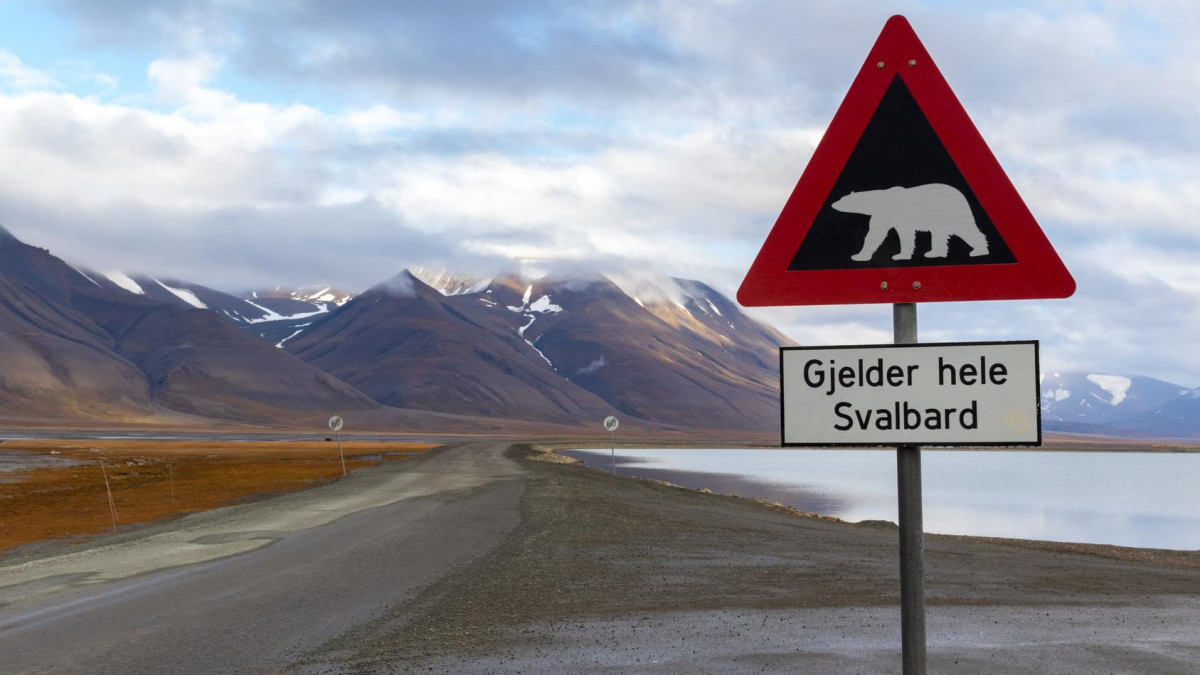
Norway is tightening regulations concerning Svalbard.
Fot. Fotolia
The new strategy was presented on Wednesday, October 7. The document provides for increased oversight of scientific activity in Svalbard, where institutions from many countries conduct research. Authorities in Oslo point to climate change and growing research activity. They also link the tightening of the rules to the deteriorating security situation in the Arctic.
New Obligations for Scientists. Equipment Under Control
People coming to Svalbard for research purposes will have to know Norwegian or English. The required language proficiency level is intended to enable the effective communication of safety information and the ability to call for help in an emergency. The rule will apply not only to scientists. It will also cover other employees involved in research activities in the archipelago.
The changes will also apply to the equipment used. Equipment intended for research will have to receive prior approval from local authorities. Failure to comply with the new requirements may result in loss of access to the research site. In extreme cases, the right to conduct research in Svalbard may also be revoked.
The changes will also apply to the equipment used. Equipment intended for research will have to receive prior approval from local authorities. Failure to comply with the new requirements may result in loss of access to the research site. In extreme cases, the right to conduct research in Svalbard may also be revoked.
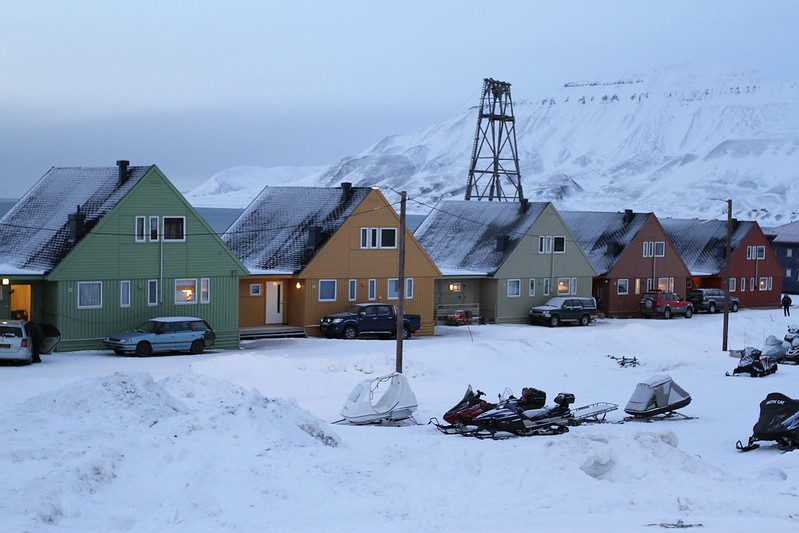
Pictured: Houses in Svalbard.Photo: Nærings- og fiskeridepartementet, Flickr.com (CC BY-NC-ND 2.0)
New Stations With Restrictions. Research at Existing Centres
Norway does not intend to issue permits for the creation of new research stations outside existing centres. Future projects are to be carried out primarily from Ny-Ålesund or the Svalbard Science Center in Longyearbyen. Additional requirements will apply to scientists from countries that do not have their own station in the archipelago. They will have to conduct research with the involvement of a Norwegian institution acting as host.
Longyearbyen is the main Norwegian settlement in Svalbard. It is home, among others, to the University Centre in Svalbard (UNIS), the Norwegian Polar Institute and the international EISCAT radar centre, which conducts research on the upper atmosphere and space weather. Ny-Ålesund, a former mining settlement transformed into a scientific centre, also remains an important hub. Representatives of around 20 institutions from various countries currently conduct research there.
Longyearbyen is the main Norwegian settlement in Svalbard. It is home, among others, to the University Centre in Svalbard (UNIS), the Norwegian Polar Institute and the international EISCAT radar centre, which conducts research on the upper atmosphere and space weather. Ny-Ålesund, a former mining settlement transformed into a scientific centre, also remains an important hub. Representatives of around 20 institutions from various countries currently conduct research there.
The new restrictions on establishing and operating research stations do not apply to the existing Polish facilities in the archipelago. Poland has five stations there: the year-round Polish Polar Station of the Polish Academy of Sciences (PAN) in Hornsund and four seasonal stations belonging to Nicolaus Copernicus University, Adam Mickiewicz University, Maria Curie-Skłodowska University and the University of Wrocław. The station belonging to the university in Toruń celebrated its 50th anniversary in 2025.
How do you rate this article?