Salmon Farmers Outsmarted the State. They Found a Way to Avoid the New Tax
Revenue from Norway's salmon farming tax turned out to be much lower than government forecasts. Instead of the projected NOK 3.8 billion, the state received NOK 469 million in 2024. The data was published by the Tax Administration.
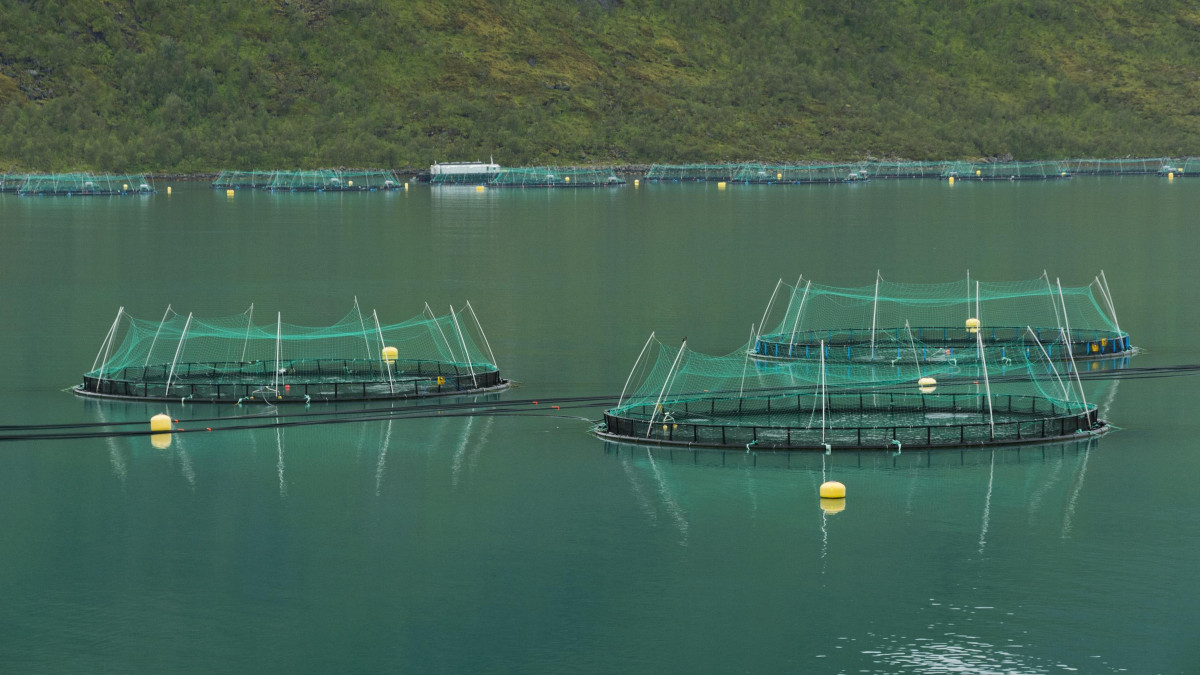
In the photo: salmon farming in Senja.
Fot. Ximonic (Simo Räsänen), CC BY-SA 4.0, via Wikimedia Commons
The salmon tax was introduced so that a larger share of aquaculture profits would go to the state and coastal municipalities. The government assumed that the new levy would bring in several billion NOK annually.
Reality turned out to be different in the very first years of the regulation. In 2023, revenues amounted to NOK 868 million, and the following year they fell by almost half.
Reality turned out to be different in the very first years of the regulation. In 2023, revenues amounted to NOK 868 million, and the following year they fell by almost half.
Revenues Lower Than Expected
According to initial estimates from 2022, the tax was expected to bring in between NOK 3.65 and 3.8 billion annually. Data from the first two years show much smaller amounts. In 2024, the state budget was supplemented by only NOK 469 million. That's about one-sixth of the original expectations.
The gap between forecasts and actual revenues has sparked reactions in the industry. Representatives of farming companies point to high administrative costs. They also highlight the complicated settlement rules. They emphasize that the burden hits small and medium-sized enterprises the hardest.
The gap between forecasts and actual revenues has sparked reactions in the industry. Representatives of farming companies point to high administrative costs. They also highlight the complicated settlement rules. They emphasize that the burden hits small and medium-sized enterprises the hardest.
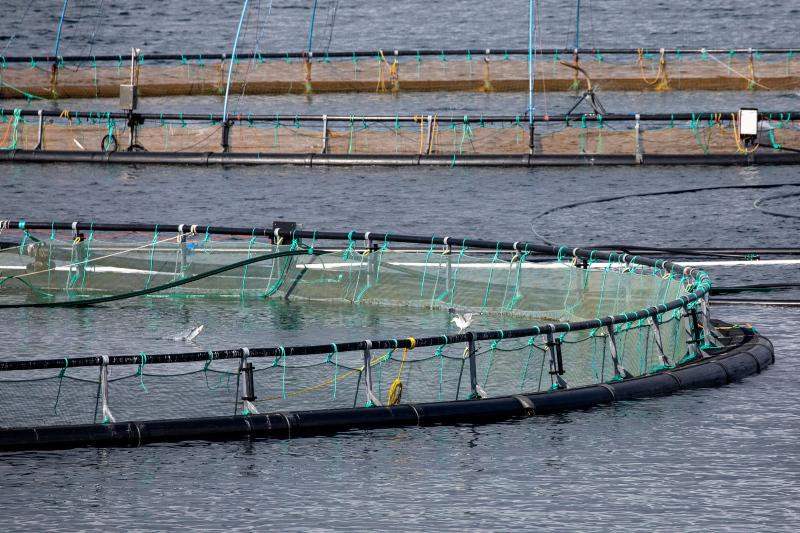
Norwegian salmon has been the subject of much debate for months.Photo: Eivind Senneset, Veterinærinstituttet
Company Reactions and Tax Adjustment Mechanisms
Research from the Norwegian School of Economics in Bergen shows that large corporations quickly adapted to the new regulations. Some operations were spun off into separate companies. Profits were shifted outside entities subject to the salmon tax. As a result, the tax base was reduced.
Another solution was to shorten the time fish spend in the sea. The tax is only calculated for the period of farming in water. Changes in production organization allowed companies to limit their tax liabilities. Experts point out that such actions were in line with current regulations.
Another solution was to shorten the time fish spend in the sea. The tax is only calculated for the period of farming in water. Changes in production organization allowed companies to limit their tax liabilities. Experts point out that such actions were in line with current regulations.
The Ministry of Finance emphasizes that tax revenues depend on the annual performance of companies and fish sale prices. It also notes that disputes over interpretation may arise with the new tax. At the same time, the industry announces further talks on changes to the tax structure. The issue of profit distribution from salmon farming therefore remains open.
How do you rate this article?