Report reveals a worrying trend. Young women increasingly feel inferior
Social media is hitting young women hard. 32% report feeling less worthy. New data has come in from the Nordic countries.
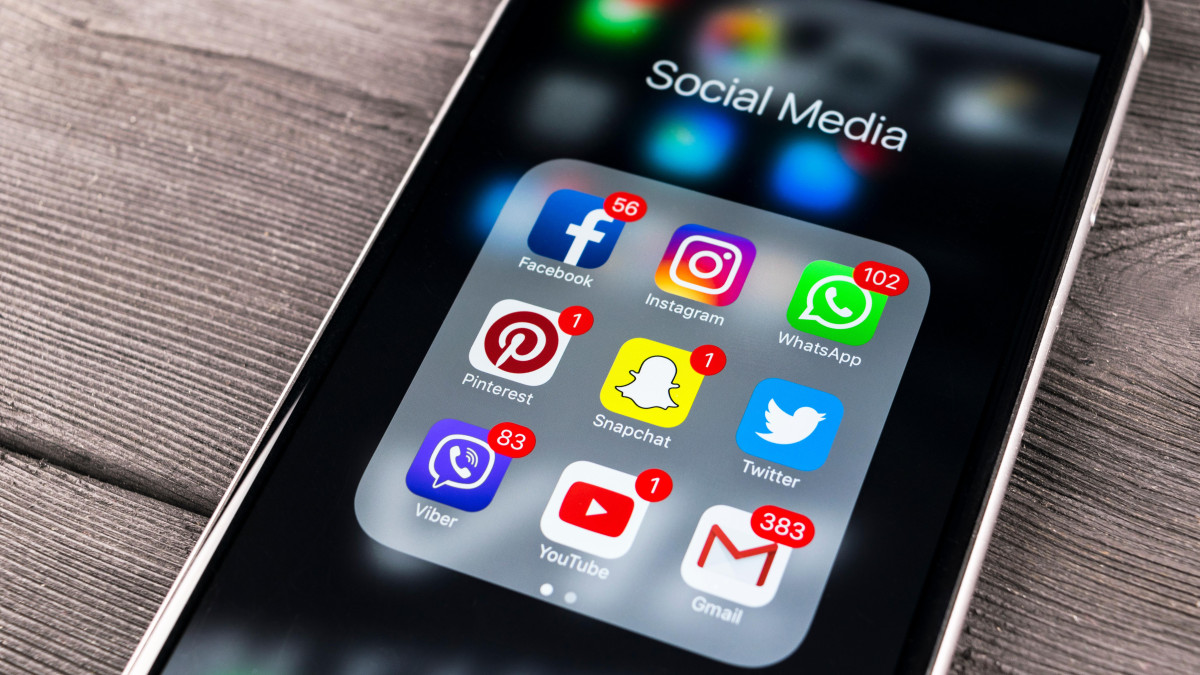
The worst consequences of social media use are felt by young women.
stock.adobe.com/licencja standardowa
The latest health report from If shows the impact of social media on users' daily lives. Platforms are a constant part of everyday life, but they affect the sense of belonging. The study covered residents of the Nordic countries. Data from Norway shows clear differences between genders, age groups, and income levels.
One in three young Norwegian women feels excluded by social media
Among women aged 18–29, 32% say that content on social media makes them feel excluded or less valuable. Among men in the same age group, the percentage is 23%. Across the entire female population in Norway, the rate is 17%. For men, 12% report similar feelings. The data comes from the Nordic health report by If.
Experts point to the mechanism of social comparison. Social media creates constant exposure to idealized images of life, which can affect how people perceive themselves and their social status. In many cases, it is about a subjective feeling of exclusion, not actual isolation. This particularly affects young adults, for whom issues of identity and belonging are crucial.
Experts point to the mechanism of social comparison. Social media creates constant exposure to idealized images of life, which can affect how people perceive themselves and their social status. In many cases, it is about a subjective feeling of exclusion, not actual isolation. This particularly affects young adults, for whom issues of identity and belonging are crucial.
Norway is continually tightening regulations regarding social media, especially in terms of accessibility for children.Photo: Pexels
Report reveals a worrying trend. Income is also a factor
The study shows clear differences related to income levels. In the low-income group, 32% of respondents report a negative impact of social media. Among those with average incomes, the percentage is 14%. In the high-income group, it drops to 11%. The results indicate greater vulnerability to negative influence among people with lower incomes.
The feeling of exclusion is linked to mental and physical health, as well as overall well-being. When social media reinforces such feelings, the problem takes on a broader social dimension. The study was conducted on a sample of 4,126 people in Sweden, Norway, Denmark, and Finland. In Norway, 1,014 respondents participated. The surveys were conducted online from February 4–10, 2026.
The feeling of exclusion is linked to mental and physical health, as well as overall well-being. When social media reinforces such feelings, the problem takes on a broader social dimension. The study was conducted on a sample of 4,126 people in Sweden, Norway, Denmark, and Finland. In Norway, 1,014 respondents participated. The surveys were conducted online from February 4–10, 2026.
If announces further engagement in the topic of loneliness and its social perception. Actions will include reducing stigma and supporting public debate. The focus also remains on analyzing factors influencing the sense of belonging. At the same time, materials are being developed on loneliness as a public health challenge in the Nordic countries.
How do you rate this article?