Norwegians inspected trucks at the border. Vehicles from Poland among those stopped
Norwegian authorities detected irregularities during inspections of heavy vehicles at the Svinesund border crossing. The problems also concerned vehicles from Poland. In one case, a brake defect was found, while in another, 26 tonnes of steel structures had not been properly secured.
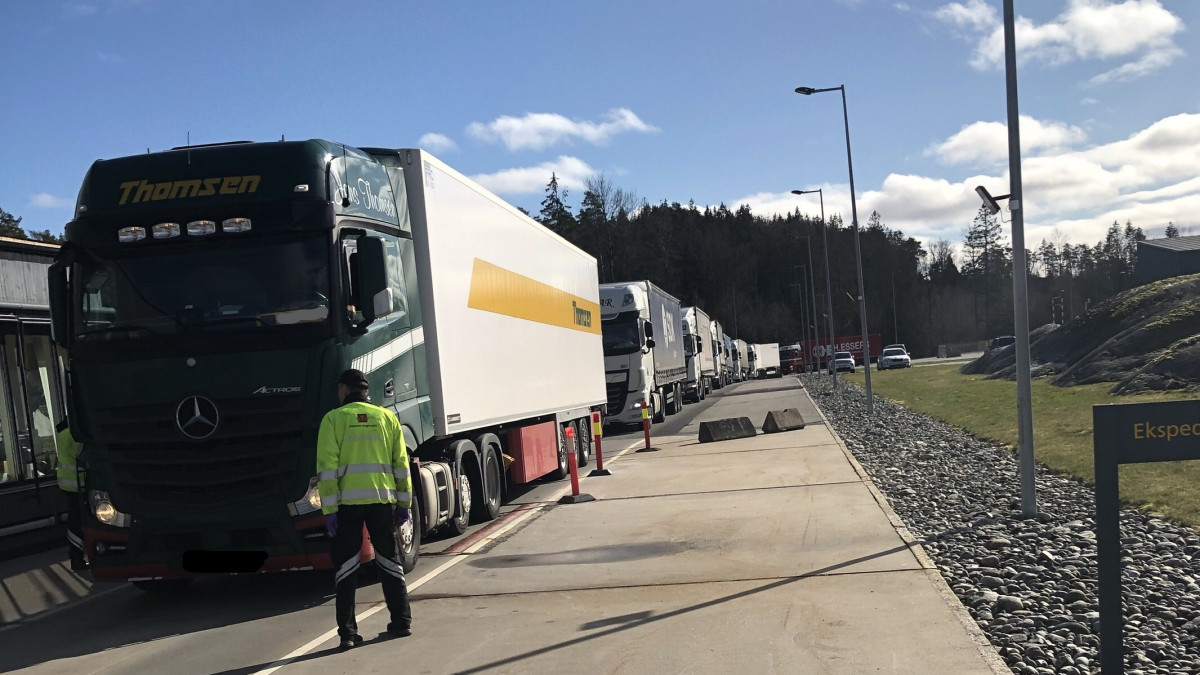
Norwegian authorities regularly conduct inspections of heavy goods vehicles.
Fot. Statens vegvesen/materiały prasowe; zdjęcie poglądowe
The Norwegian Public Roads Administration (SVV) conducted an inspection of heavy vehicles at Svinesund on Wednesday, 30 September. Nearly 200 vehicles were checked, with 39 referred for an extended inspection. Numerous foreign vehicle combinations were among those inspected. SVV reports that 14 vehicles in which irregularities were detected were registered outside Norway.
Polish vehicles with irregularities. Brakes and driving licence
A defect in the trailer brakes was detected in one Polish vehicle combination. The inspection also showed that the driver's licence had expired. The driver was reported to the relevant authorities as a result. The material does not provide information about the amount of any potential fine.
Another case involved a vehicle from Poland with a Danish trailer carrying 26 tonnes of steel structures. Part of the load had not been properly secured. The driver had to secure it correctly before continuing the journey. A Polish light truck was stopped because of objects obstructing visibility through the windscreen and the lack of a road toll device. The company is to receive a fine of NOK 8,000.
Another case involved a vehicle from Poland with a Danish trailer carrying 26 tonnes of steel structures. Part of the load had not been properly secured. The driver had to secure it correctly before continuing the journey. A Polish light truck was stopped because of objects obstructing visibility through the windscreen and the lack of a road toll device. The company is to receive a fine of NOK 8,000.
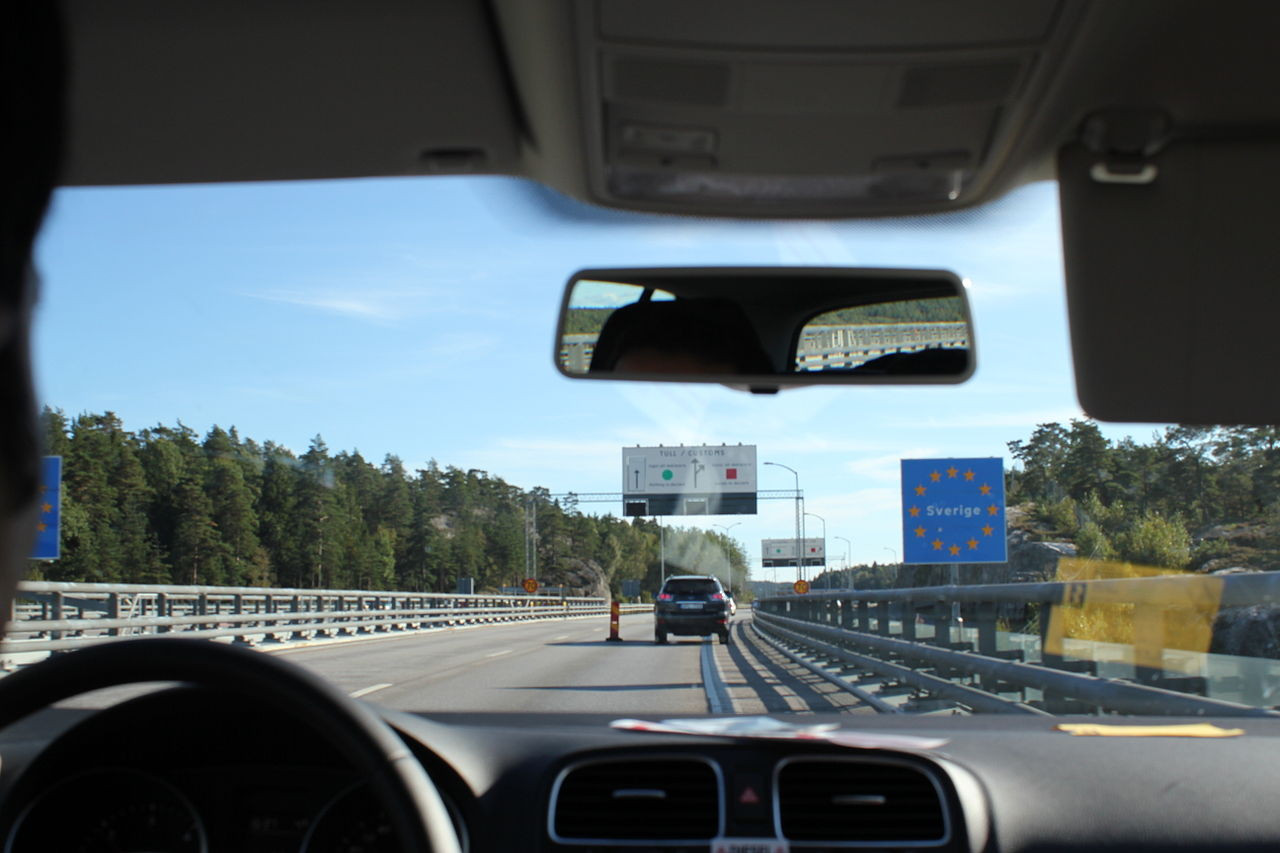
The Svinesund border crossing is one of the most popular in Norway.Photo: Wikimedia Commons/CC BY-SA 3.0/ANBI
Loads under special scrutiny. Authorities point to a common problem
Problems with securing transported goods also occurred in vehicles from other countries. Øyvind Ivar Grotterød, head of field inspections, told Nettavisen that issues related to cargo and its securing are among the most frequently detected irregularities. As he noted, authorities encounter them every day. In some cases, drivers must secure the transported goods again.
According to Grotterød, improperly secured cargo can pose a direct hazard in traffic. It may shift during sudden braking or an abrupt manoeuvre. This can result in damage to vehicles or other property. In extreme cases, it may lead to death. During the inspection, driving bans were also issued for some vehicles from Lithuania, Denmark, Estonia and Bulgaria.
According to Grotterød, improperly secured cargo can pose a direct hazard in traffic. It may shift during sudden braking or an abrupt manoeuvre. This can result in damage to vehicles or other property. In extreme cases, it may lead to death. During the inspection, driving bans were also issued for some vehicles from Lithuania, Denmark, Estonia and Bulgaria.
The inspection also revealed other violations, including overloaded vehicles, vehicle combinations exceeding the permitted length, and technical defects. A Dutch delivery van weighed 700 kg too much, and its driver received a fine of NOK 3,000. In another case, a Lithuanian truck was stopped due to overloading, and the company received a fine of NOK 2,700.
How do you rate this article?