Norwegians flocked to Sweden. Is the Eldorado across the border ending on 1 October?
Norwegian shops in Halden are reporting declining sales, while trade on the Swedish side of the border is clearly growing. Customers are attracted by food prices, a more favourable NOK exchange rate and cheaper fuel. From Thursday, however, part of this advantage will diminish, as Sweden’s energy tax is set to rise.
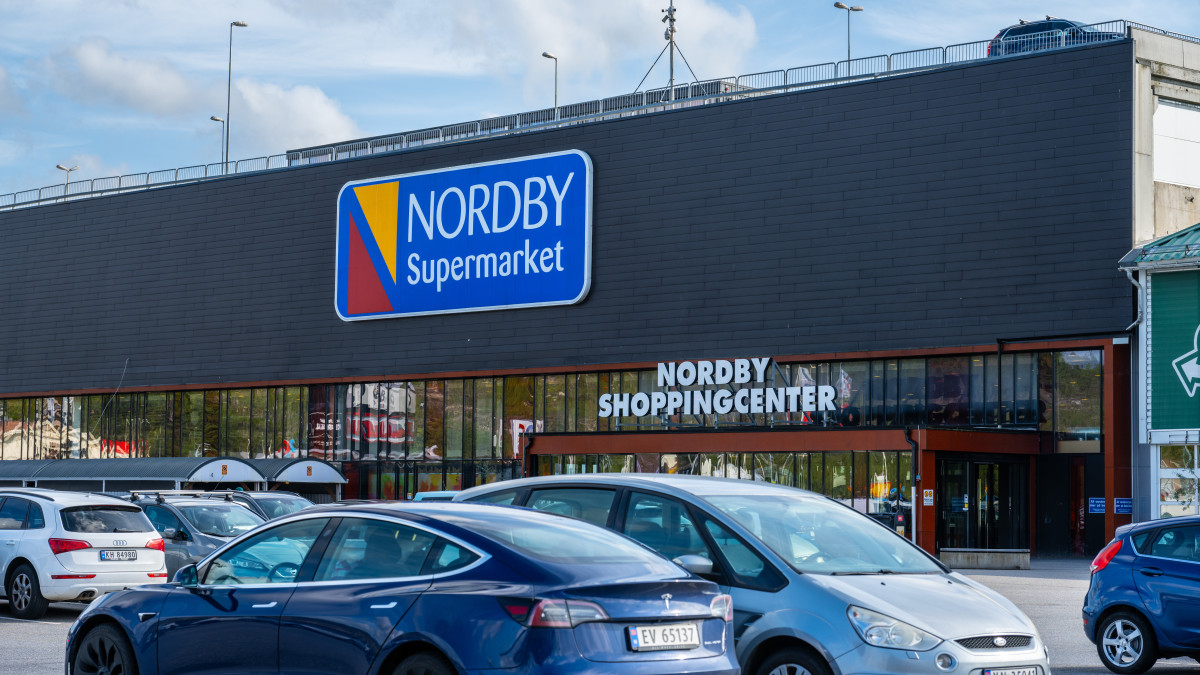
Norwegians head to Sweden. Border shops are already seeing the effects.
stock.adobe.com/licencja standardowa
Autumn 2026 has brought a change for shops on both sides of the border. Retailers in Halden report that, after a strong start to the year, they are seeing an increasing outflow of customers to Sweden. This became particularly noticeable after the summer holidays. At the same time, shops in Nordby report double-digit sales growth, driven in part by lower VAT on food and fuel prices.
Halden is losing customers. Shopping is moving across the border
The REMA 1000 retail chain has been feeling the change for several weeks. Ketil Mjølnerød of REMA 1000 Høvleriet told Nettavisen that shopping had previously been influenced by lower Swedish VAT on food and exchange-rate changes, and now fuel-related charges have also come into play. In September, his shop recorded a decline in turnover compared with last year. Jon Myhre of REMA 1000 Risum is observing a similar situation.
Myhre points to the major difference in refuelling costs. According to him, a driver can save NOK 500–600 on a single tank of diesel in Sweden, which is why some customers also buy groceries there at the same time. Kiwi stores and Coop Øst outlets operating near the border are also seeing declines. Reiulf Thorsen of Kiwi Oslofjord Øst stresses, however, that staff reductions are not currently being considered.
Myhre points to the major difference in refuelling costs. According to him, a driver can save NOK 500–600 on a single tank of diesel in Sweden, which is why some customers also buy groceries there at the same time. Kiwi stores and Coop Øst outlets operating near the border are also seeing declines. Reiulf Thorsen of Kiwi Oslofjord Øst stresses, however, that staff reductions are not currently being considered.

On 1 October 2026, Sweden will lose its greatest advantage: low fuel prices.Photo: Fotolia
Nordby records growth. Fuel boosts footfall in shops
On the Swedish side, the figures look different. Maxi Mat Nordby recorded a 20 per cent increase in sales in September, and since the start of 2026 its turnover has been 10–15 per cent higher than a year earlier. Nordby Supermarket reports growth of 12–15 per cent. Store manager Patrik Zäll points to the NOK exchange rate, taxes, marketing activities and cheap fuel as factors affecting the results.
Growing footfall is also visible throughout Nordby Shopping Center. The centre’s manager, Ståle Løvheim, said that visitor numbers have risen by 5 per cent since the beginning of the year, while turnover has increased by 8 per cent. Queues at petrol stations appear every day, and some drivers drop off family members beforehand so they can shop while they wait. In 2025, Nordby Shopping Center achieved turnover of NOK 7 billion.
Growing footfall is also visible throughout Nordby Shopping Center. The centre’s manager, Ståle Løvheim, said that visitor numbers have risen by 5 per cent since the beginning of the year, while turnover has increased by 8 per cent. Queues at petrol stations appear every day, and some drivers drop off family members beforehand so they can shop while they wait. In 2025, Nordby Shopping Center achieved turnover of NOK 7 billion.
From Thursday, 1 October, the situation will partly change. Sweden’s temporary relief on energy tax will expire, which is expected to raise the price of petrol by around NOK 1 per litre and diesel by around NOK 0.40. If the authorities in Stockholm do not amend the rules, both fuels could rise by a further approximately NOK 3 per litre from 1 December.
How do you rate this article?