Norwegians are increasingly giving up foreign travel. Prices and a weak NOK are decisive
Holidays in Norway are gaining importance. Norwegians' spending on domestic travel has nearly tripled over the past ten years, according to data described by NRK editors. Last year, the value approached NOK 100 billion.
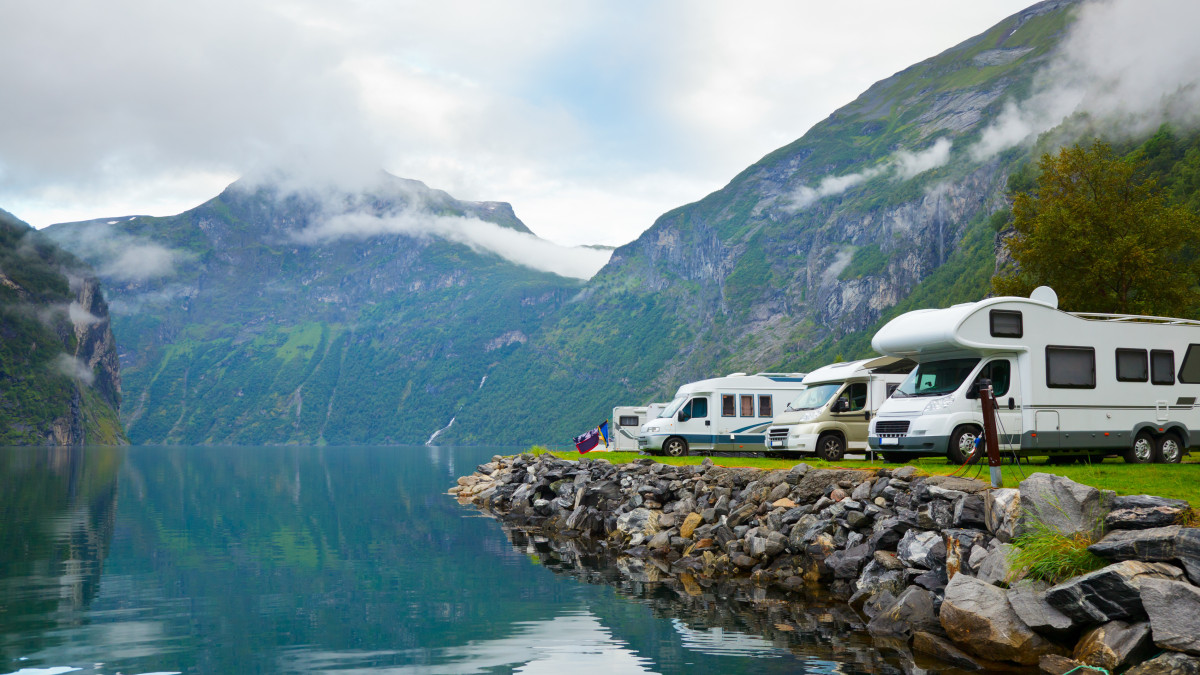
Domestic trips are boosting the revenues of the Norwegian tourism industry.
Fot. stock.adobe.com/standardowa/Dmitry Naumov (zdjęcie poglądowe)
Domestic vacations were not just a phenomenon related to the pandemic. The weakening of the Norwegian currency and the rising costs of foreign trips have led more residents to choose traveling by car around Norway instead of flying to warmer countries. The change is reflected in statistics. It can also be seen in tourist towns, where occupancy of ports, attractions, and service points increases during the season.
More trips, even faster-growing spending
The number of domestic trips has almost doubled. The comparison covers the last ten years, according to NRK editors based on data from Statistics Norway (SSB). Spending has increased even more. Norwegians now spend almost three times as much on domestic holidays as they did a decade ago.
Last year, expenditures approached NOK 100 billion. The data thus indicate that both the frequency of travel and the amounts spent during domestic trips have increased. Tourists' declarations have also changed. Currently, 22 percent of Norwegians say they vacation exclusively in their own country.
Last year, expenditures approached NOK 100 billion. The data thus indicate that both the frequency of travel and the amounts spent during domestic trips have increased. Tourists' declarations have also changed. Currently, 22 percent of Norwegians say they vacation exclusively in their own country.
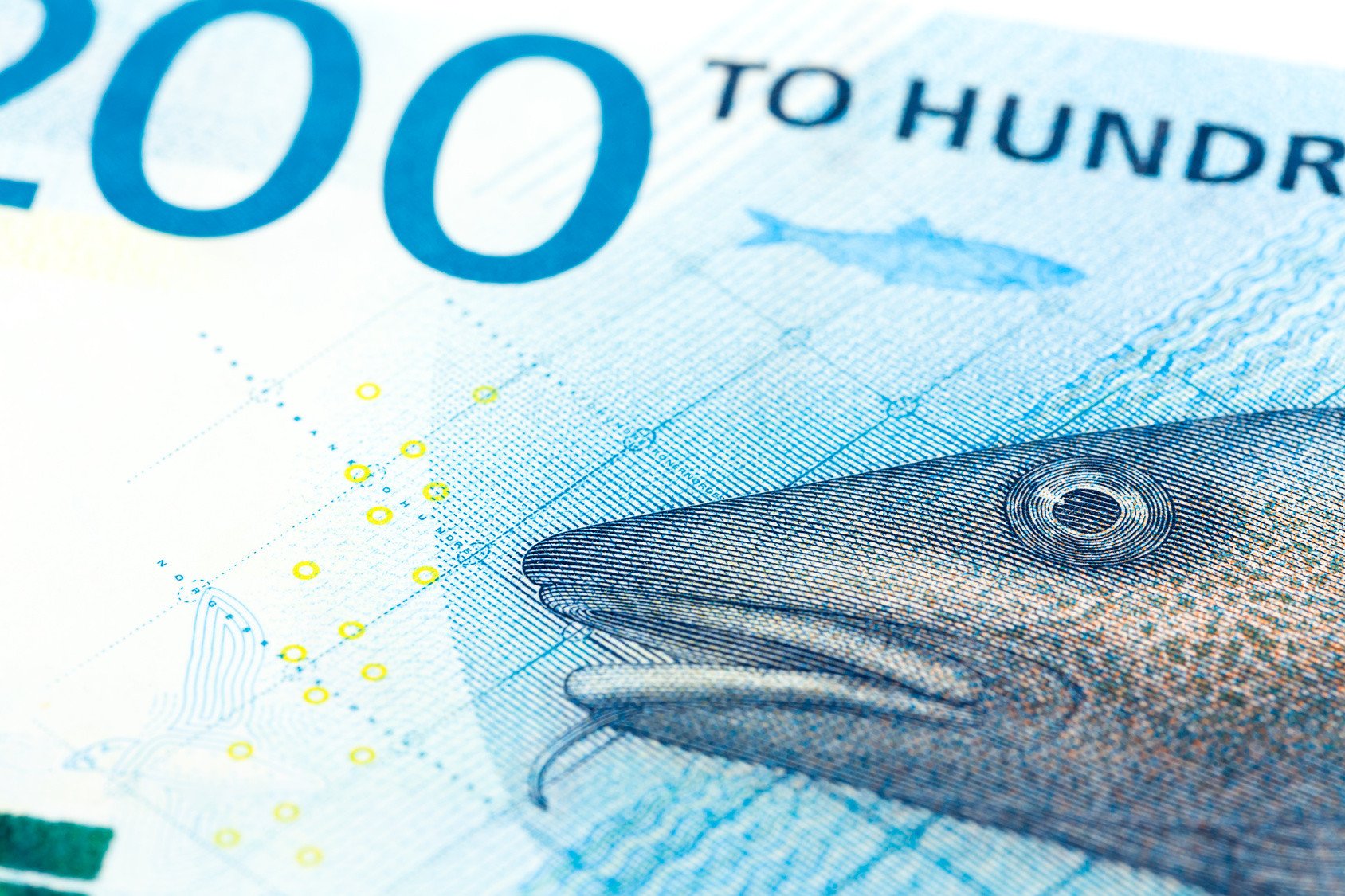
A weaker Norwegian krone means more expensive holidays abroad.Photo: Fotolia
Domestic holidays strengthen their position. Foreign trips lose their price advantage
Before the pandemic, this percentage ranged from 14 to 17 percent. The current level is therefore at least 5 percentage points higher, according to information presented by NRK editors. One of the reasons is price. Foreign holidays are no longer seen as a clearly cheaper alternative.
The weak NOK is also significant. With an unfavorable exchange rate, accommodation, meals, and services outside Norway cost residents more, increasing the attractiveness of domestic travel. The effects are visible in Risør. The inner port is so crowded during the season that smaller boats have difficulty finding a spot.
The weak NOK is also significant. With an unfavorable exchange rate, accommodation, meals, and services outside Norway cost residents more, increasing the attractiveness of domestic travel. The effects are visible in Risør. The inner port is so crowded during the season that smaller boats have difficulty finding a spot.
Increased traffic also benefits local businesses. During peak periods, ports, tourist attractions, and restaurants profit from the higher number of visitors. In Risør, traffic intensifies even more during festivals and other seasonal events.
How do you rate this article?