Norwegian Scientists' Discovery: Aggressive Cancer Has Its Own 'Signature'. This Breakthrough Could Help Patients
Scientists from the Norwegian University of Science and Technology (NTNU) in Trondheim have discovered a new method for detecting aggressive forms of prostate cancer. This solution could change the lives of thousands of patients—not only in the Nordic countries.
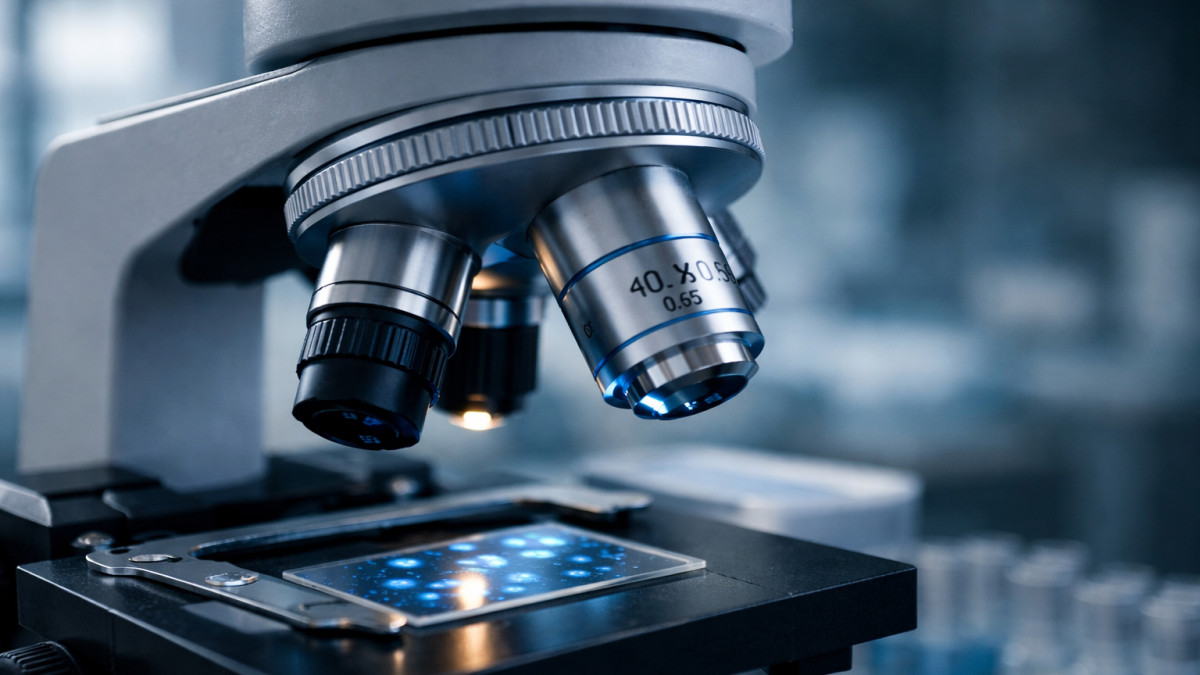
The discovery is not yet used in clinical practice.
Fot. Wygenerowano przy pomocy AI
Prostate cancer is currently the most commonly diagnosed cancer among men in Western countries. Mortality rates have clearly decreased in recent decades, according to data from the Norwegian Cancer Registry at the Norwegian Institute of Public Health. Nevertheless, in the Nordic countries, 16,649 men under the age of 85 died from the disease between 2018 and 2022. The new discovery could influence how patients are diagnosed.
Groundbreaking Research in Trondheim
The research was conducted by a team from NTNU in Trondheim. Scientists analyzed prostate tissue samples from patients previously diagnosed with cancer. The material dated back 10–15 years and included both mild and aggressive forms of the disease.
The results were published in "Nature Communications." The study's authors showed that aggressive prostate cancer has a unique gene expression pattern, accompanied by metabolic changes and inflammation. These processes occur not only within the tumor itself but also in the surrounding, seemingly healthy tissue. According to the researchers, this set of biological features clearly distinguishes aggressive cancer from milder forms of prostate cancer.
The results were published in "Nature Communications." The study's authors showed that aggressive prostate cancer has a unique gene expression pattern, accompanied by metabolic changes and inflammation. These processes occur not only within the tumor itself but also in the surrounding, seemingly healthy tissue. According to the researchers, this set of biological features clearly distinguishes aggressive cancer from milder forms of prostate cancer.
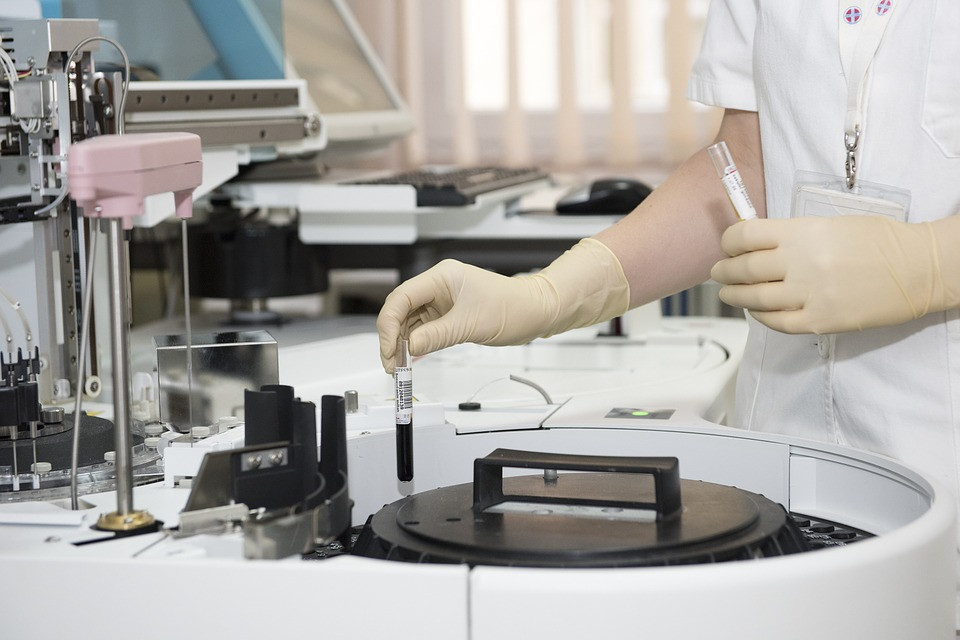
It's a matter of better matching treatment to the level of risk.Photo: Pixabay/CC0/DarkoStojanovic
New Diagnostic Possibilities
Professor May-Britt Tessem from NTNU points out that there is currently a lack of sufficiently precise methods to distinguish between types of prostate cancer. In most patients, the disease develops slowly, but in some it progresses aggressively and can recur even after surgical treatment. The newly identified markers may help recognize this group of patients.
The aim of further research is to improve diagnostics and reduce overtreatment. Cancer therapies can lead to complications such as incontinence or erectile dysfunction. Researchers assume that in the future, a simple screening test will be possible.
The aim of further research is to improve diagnostics and reduce overtreatment. Cancer therapies can lead to complications such as incontinence or erectile dysfunction. Researchers assume that in the future, a simple screening test will be possible.
The NTNU team emphasizes that further research is needed into the biological mechanisms responsible for the aggressive course of the disease. Scientists want to check whether the discovered genetic signatures could become the basis for new therapies. At the same time, screening programs are being developed in Norway to enable earlier detection of prostate cancer.
How do you rate this article?