Norwegian economist calls for a simple crisis response: give people money
Rising oil prices may hit household budgets. Eika Gruppen's chief economist, Jan Ludvig Andreassen, believes the government should quickly transfer money to citizens. In his opinion, the situation could resemble the energy crisis of 2022.
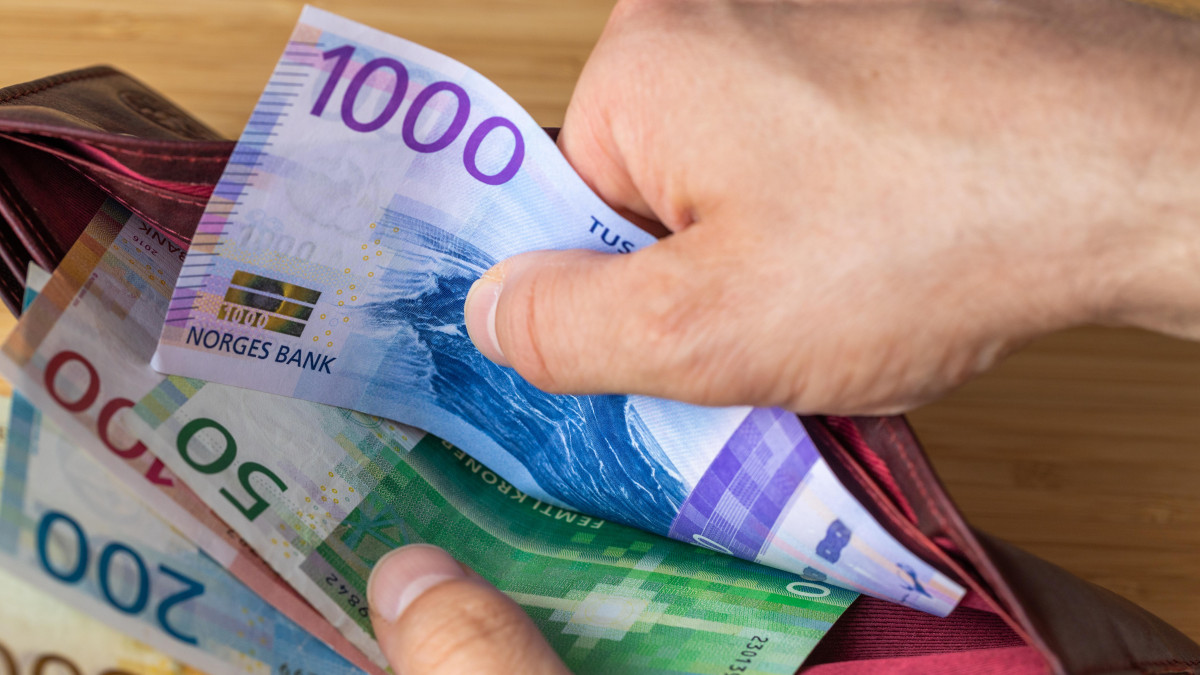
Geopolitical uncertainty often increases commodity price volatility.
Fot. Adobe Stock, licencja standardowa (zdjęcie poglądowe)
Economists are observing the effects of the sharp rise in oil prices on global markets. According to Jan Ludvig Andreassen, this could lead to a significant increase in inflation in Norway. Previously, it was forecast that the consumer price index would rise by 3 percent this year. Now, the economist estimates that the increase could reach as much as 4 percent. This would mean a clear rise in the cost of living for households.
Rising fuel and food prices
Andreassen points out in E24 that fuel prices have already started to rise. In his opinion, this could translate into more expensive food in the coming months. Prices may rise especially at the end of the year, during the autumn and before the holidays. If the current situation continues, the price increase could be significant.
The economist also points to other factors. A large part of the world's fertilizer production comes from the Persian Gulf countries. Conflict in the region could increase production costs. This, in turn, will raise the costs of agricultural production. According to Andreassen, this will ultimately lead to higher food prices.
The economist also points to other factors. A large part of the world's fertilizer production comes from the Persian Gulf countries. Conflict in the region could increase production costs. This, in turn, will raise the costs of agricultural production. According to Andreassen, this will ultimately lead to higher food prices.
The rise in energy commodity prices may increase revenues to the Norwegian budget.Photo: stock.adobe.com/standard
Support proposals for households
Andreassen recalls the situation in 2022, when energy and food prices rose sharply. At that time, a system of electricity subsidies was introduced. In his opinion, the mechanism did not distribute the benefits of the crisis equally among citizens.
He proposes four temporary measures. The first would be to reduce VAT on food and fuel. The second is to increase social benefits. The third is to introduce tax breaks. The fourth solution would be a direct payment of several thousand kroner to households.
He proposes four temporary measures. The first would be to reduce VAT on food and fuel. The second is to increase social benefits. The third is to introduce tax breaks. The fourth solution would be a direct payment of several thousand kroner to households.
More cautious voices among economists
Trond Døskeland from the Norwegian School of Economics takes a more cautious approach to the forecasts. In his opinion, it is too early to assess the full effects of the current situation. He emphasizes that markets often react sharply to the first news of a crisis.
The economist notes that similar tensions usually stabilize quickly. According to him, current concerns may be partly exaggerated. Døskeland compares it to a quarrel in a relationship, which does not change the whole relationship. In his view, it is necessary to wait for further developments.
The economist notes that similar tensions usually stabilize quickly. According to him, current concerns may be partly exaggerated. Døskeland compares it to a quarrel in a relationship, which does not change the whole relationship. In his view, it is necessary to wait for further developments.

Rising prices may change the spending structure of families.Photo: pixabay.com / Erdenebayar / Pixabay License
Andreassen warns, however, that the authorities' response should not be delayed. According to him, during the energy crisis, decisions were made too late. This time, measures could be launched more quickly, before the price increases fully affect households. In his view, temporary support mechanisms could be easily withdrawn once the market situation stabilizes.
How do you rate this article?