Norwegian corporations are rubbing their hands. The profit amount resulting from wars is shocking
Oil prices are rising following the escalation of global conflicts. Norwegian oil companies are recording high profits. New data shows the scale of revenues and forecasts for the coming months.
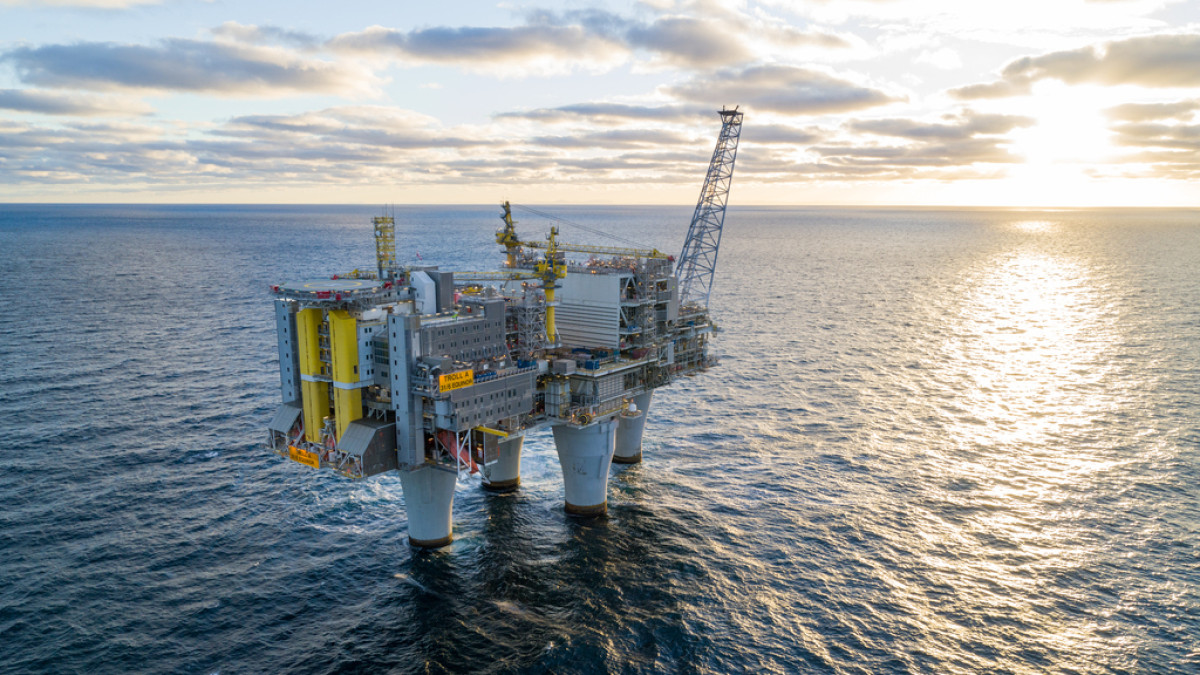
The Progress Party is calling for regulatory changes to increase oil and gas extraction and speed up raw material deliveries to Europe.
Fot. Øyvind Gravås, Even Kleppa/materiały prasowe Equinor
The war in Ukraine has been ongoing for five years. Tensions in the Middle East intensified after the US and Israel attacked Iran on February 28. The attacks targeted oil and gas installations in the region. The closure of the Strait of Hormuz limited global supplies. As a result, energy prices soared, and Norway is increasing its revenues.
Commodity price surge. A dream scenario for Norwegian giants
Before the escalation, oil prices were at $60-70 per barrel. After tensions rose, the price exceeded $110. North Sea oil reached over $126, the highest level in nearly four years. About 20 percent of the world's oil and gas supplies pass through the Strait of Hormuz.
Equinor produces about 2 million barrels per day. Estimates indicate that additional revenues amount to nearly NOK 8 billion per month. Vår Energi achieved over $1.3 billion in operating profit in the first quarter. A year earlier, it was $972 million. The company increased production before the outbreak of the conflict.
Equinor produces about 2 million barrels per day. Estimates indicate that additional revenues amount to nearly NOK 8 billion per month. Vår Energi achieved over $1.3 billion in operating profit in the first quarter. A year earlier, it was $972 million. The company increased production before the outbreak of the conflict.
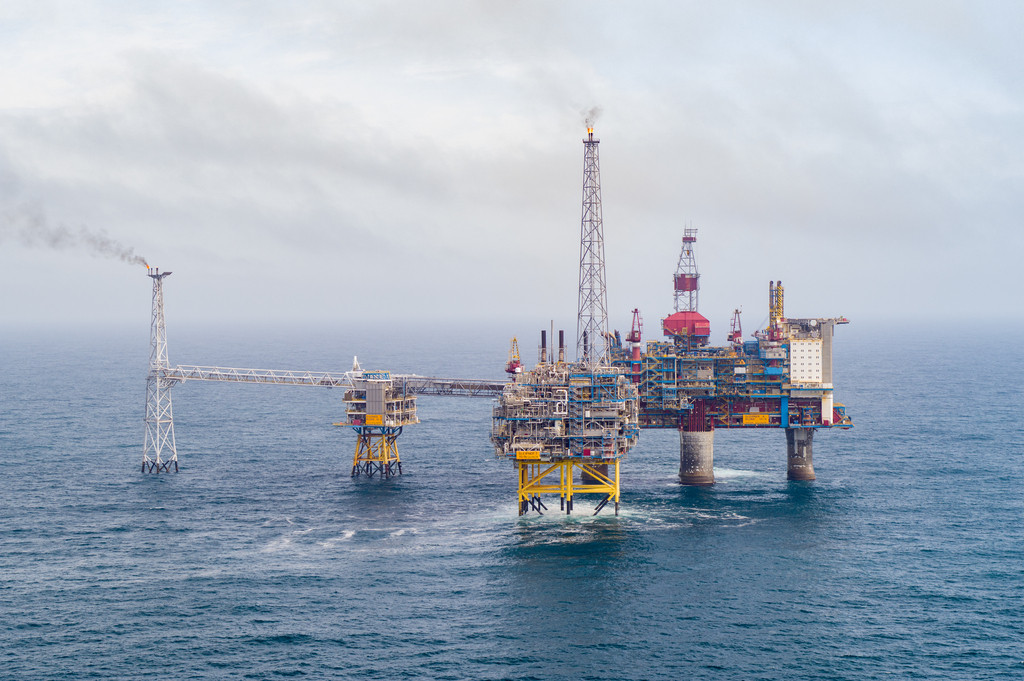
Forecasts for the second quarter predict even higher results than in the first.Photo: Øyvind Gravås and Bo B. Randulff, Equinor press materials
Corporations getting richer from war? Profits could be even higher
Analysts forecast further growth in results. Equinor may achieve around NOK 84 billion in operating profit in the first quarter. In the second quarter, the forecast reaches NOK 120 billion. Aker BP is expected to reach around NOK 19.5 billion. At the same time, the record from 2022—about NOK 750 billion—remains difficult to beat.
Companies pay 78 percent profit tax. The state owns 67 percent of Equinor shares. About 90 percent of profits go to the budget and the sovereign wealth fund. There is an ongoing debate about the effects of rising energy prices. Some experts point to benefits for the state, others to the rising cost of living for citizens.
Companies pay 78 percent profit tax. The state owns 67 percent of Equinor shares. About 90 percent of profits go to the budget and the sovereign wealth fund. There is an ongoing debate about the effects of rising energy prices. Some experts point to benefits for the state, others to the rising cost of living for citizens.
Alongside the increase in revenues, a debate continues about Norway's role in the energy market. Industry representatives emphasize the importance of stable supplies for Europe during the crisis. Politicians point to the economic effects for society. In the background, there is also the impact of high prices on the renewable energy sector, which, according to available data, is in a less favorable situation.
How do you rate this article?