Norway's Problems Deepen. Another Threat Looms on the Horizon
An unusually dry and cold winter in Norway has reduced the amount of snow and water levels. Other threats, beyond spring floods, are becoming more significant.
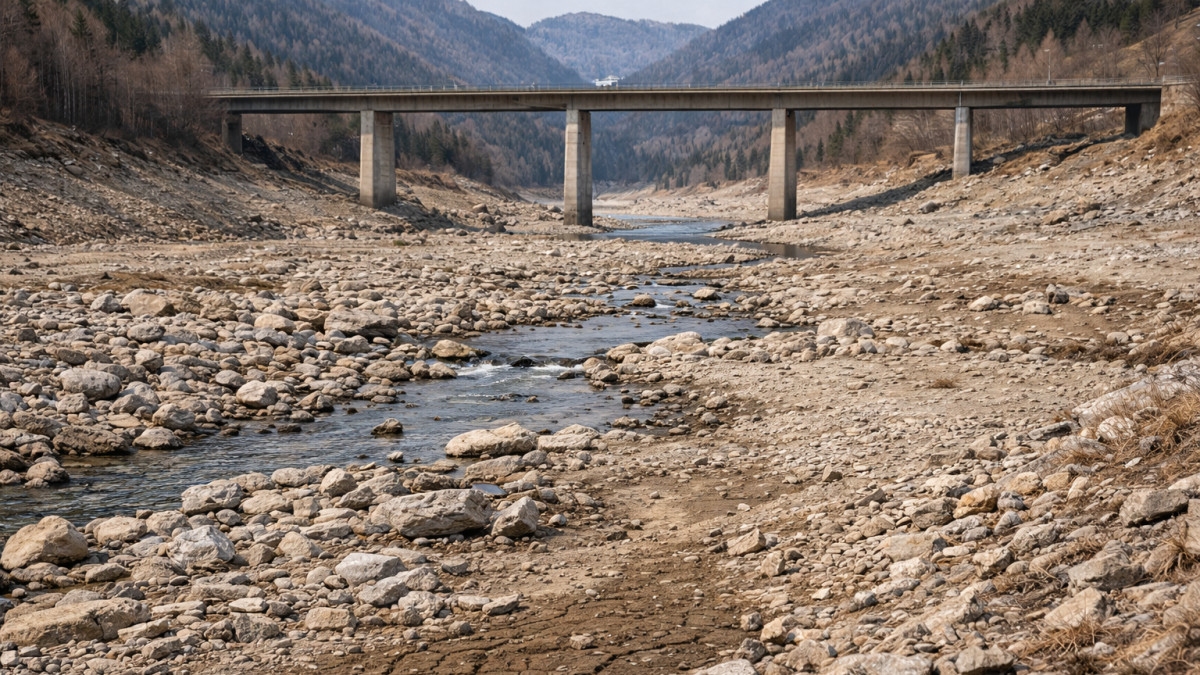
The situation may have an impact on agriculture in the coming months.
Fot. Wygenerowano przy pomocy AI
January and February brought exceptionally low temperatures and little precipitation to Norway. Many regions experienced a winter drought, affecting areas from Sørlandet to Nordland. The Norwegian Water Resources and Energy Directorate (NVE) reports a persistent deficit of water, snow, and low river levels.
Less Precipitation and the Effects of Drought
In western Norway, January and February saw 25 to 50 percent less precipitation than usual, including about 50 percent less in January alone. Water levels in rivers and streams dropped significantly. Many areas saw ice and frozen ground. The situation has limited the availability of local water resources.
The water shortage has increased the number of exemption requests for water levels in fish farms. In March, precipitation and higher temperatures led to partial snowmelt. Nevertheless, drought persists in Møre og Romsdal and Trøndelag. Snow cover remains low in southern Norway. If the lack of precipitation continues, groundwater levels may drop, leading to problems with energy production, agriculture, and water supply.
The water shortage has increased the number of exemption requests for water levels in fish farms. In March, precipitation and higher temperatures led to partial snowmelt. Nevertheless, drought persists in Møre og Romsdal and Trøndelag. Snow cover remains low in southern Norway. If the lack of precipitation continues, groundwater levels may drop, leading to problems with energy production, agriculture, and water supply.
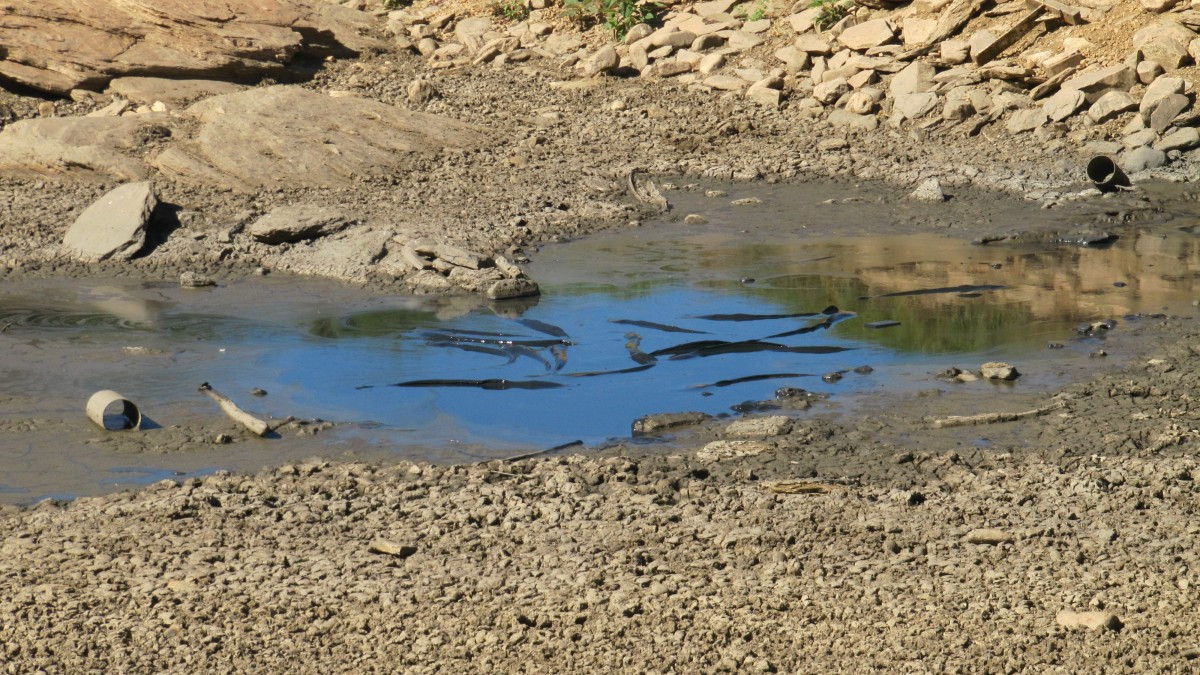
A continued lack of precipitation could deepen the groundwater deficit.Photo: pxhere.com / CC0 Public Domain
Impact on Flood Risk and Warnings
Less snow means potentially lower risk of spring flooding. However, precipitation and the rate of snowmelt are crucial. Heavy rain during the thaw can increase the danger. NVE emphasizes that a large amount of snow does not always mean a major flood. Temperature and precipitation patterns are also important.
NVE is responsible for the flood and landslide warning system. Warnings have three levels: yellow, orange, and red. Higher levels may mean damage, landslides, and closures of roads and railways. In 2025, 60 yellow-level flood warnings, 9 orange, and 1 red were issued. So far in 2026, 11 flood warnings and 4 landslide warnings have been issued, all at the yellow level.
NVE is responsible for the flood and landslide warning system. Warnings have three levels: yellow, orange, and red. Higher levels may mean damage, landslides, and closures of roads and railways. In 2025, 60 yellow-level flood warnings, 9 orange, and 1 red were issued. So far in 2026, 11 flood warnings and 4 landslide warnings have been issued, all at the yellow level.
NVE points out that drought and the increasing risk of forest fires may now be greater threats than floods. The agency recommends monitoring announcements and responding to changes in warning levels. Residents of threatened areas should clear ditches and culverts and secure property, including basements and vehicles.
How do you rate this article?