Norway to Close the Most Important Chapter in Its History? 150,000 Jobs at Risk
The Norwegian debate about the future of the oil sector is gaining momentum after political agreements regarding a new commission that will examine a possible scenario for phasing out production. The industry is increasingly concerned about job reductions, and representatives of industrial regions openly talk about thousands of layoffs in the near future.

The industry fears losing competitiveness without stable legal frameworks.
Fot. Adobe Stock, licencja standardowa (zdjęcie poglądowe)
The first reactions to the agreement that secured a majority for next year's budget appeared immediately after the decision was announced by the Green Party. Ingrid Liland then emphasized that the country is beginning to "write the last chapter of Norwegian oil history."
The Commission for Future Energy Policy is to examine possible forms of gradually phasing out oil and gas production. However, the Labour Party and the Centre Party reject the notion that the new body marks the beginning of the end for the sector. The issue has sparked political tensions and questions about job stability in oil regions.
The Commission for Future Energy Policy is to examine possible forms of gradually phasing out oil and gas production. However, the Labour Party and the Centre Party reject the notion that the new body marks the beginning of the end for the sector. The issue has sparked political tensions and questions about job stability in oil regions.
Layoffs in Stavanger and Industry Concerns
In Stavanger, the effects of the slowdown are already visible. Rosenberg Worley, one of the key companies serving the industry, laid off 2,000 employees this year.
The company's management explains that the lack of new orders makes it impossible to maintain the current level of employment. Kristoffer Sivertsen, the Progress Party's energy spokesperson, warns that further reductions may occur as early as next year. According to him, many plants are looking to the future with great uncertainty.
The company's management explains that the lack of new orders makes it impossible to maintain the current level of employment. Kristoffer Sivertsen, the Progress Party's energy spokesperson, warns that further reductions may occur as early as next year. According to him, many plants are looking to the future with great uncertainty.
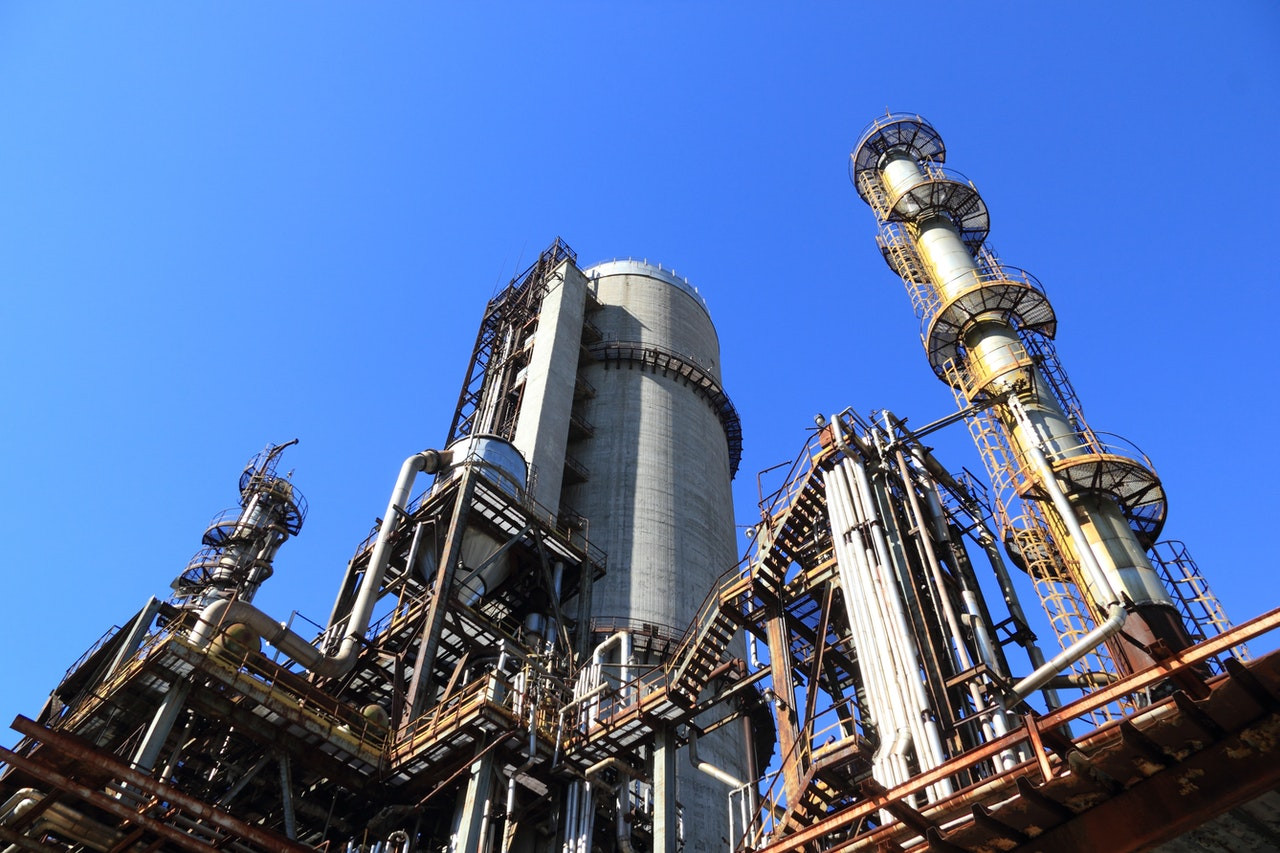
The industry needs clear, predictable regulatory rules.Photo: Pexels
Controversy Over Jobs and Taxes
Jens Ulltveit-Moe, billionaire and one of the most recognizable voices of the Green Party, has also joined the discussion about jobs. He stated that the loss of employment for 150,000 people could be beneficial if workers find jobs in sectors related to the green industry.
His words were met with opposition from Sivertsen, who emphasizes the importance of these positions for the regions of the west coast. In the background of the dispute is also the tax package for the oil industry from the pandemic era, which experts—such as Klaus Mohn, rector of the University of Stavanger—call the source of current instability. The growing CO2 emissions tax further affects the profitability of projects.
His words were met with opposition from Sivertsen, who emphasizes the importance of these positions for the regions of the west coast. In the background of the dispute is also the tax package for the oil industry from the pandemic era, which experts—such as Klaus Mohn, rector of the University of Stavanger—call the source of current instability. The growing CO2 emissions tax further affects the profitability of projects.
Growing Anxiety Ahead of the Next Budget
Sivertsen points out that merely raising the oil topic in budget negotiations causes strong anxiety in Rogaland. In his opinion, workers fear a repeat of the British scenario, where halting new licenses stalled investments.
He emphasizes that the market needs predictability, and current decisions may weaken it. Thus, talks about the commission are taking place in an atmosphere of growing uncertainty. Many people are already wondering what regulations the next budget will bring.
He emphasizes that the market needs predictability, and current decisions may weaken it. Thus, talks about the commission are taking place in an atmosphere of growing uncertainty. Many people are already wondering what regulations the next budget will bring.

The introduction of the commission has been recognized as the first step toward long-term changes.Photo: stock.adobe.com/standard
Awaiting Decisions That Will Change the Market
The debate on the direction of Norwegian energy policy will accelerate even further when the commission begins its work. Its findings may set new frameworks for investments, the labor market, and future budgets.
In the coming months, the industry will closely monitor every signal regarding regulatory stability. In regions associated with extraction, there has long been anticipation for an answer as to whether the changes will bring new opportunities or further challenges.
In the coming months, the industry will closely monitor every signal regarding regulatory stability. In regions associated with extraction, there has long been anticipation for an answer as to whether the changes will bring new opportunities or further challenges.
How do you rate this article?