Norway has calculated the costs of climate change. The result depends not only on the weather
Statistics Norway (SSB) has published a report on the macroeconomic effects of climate change for Norway. The analysis was commissioned by the Expert Committee on Climate Change Adaptation (EKLIM). It covers the impact of climate on economic sectors, GDP, employment, consumption, and social costs.
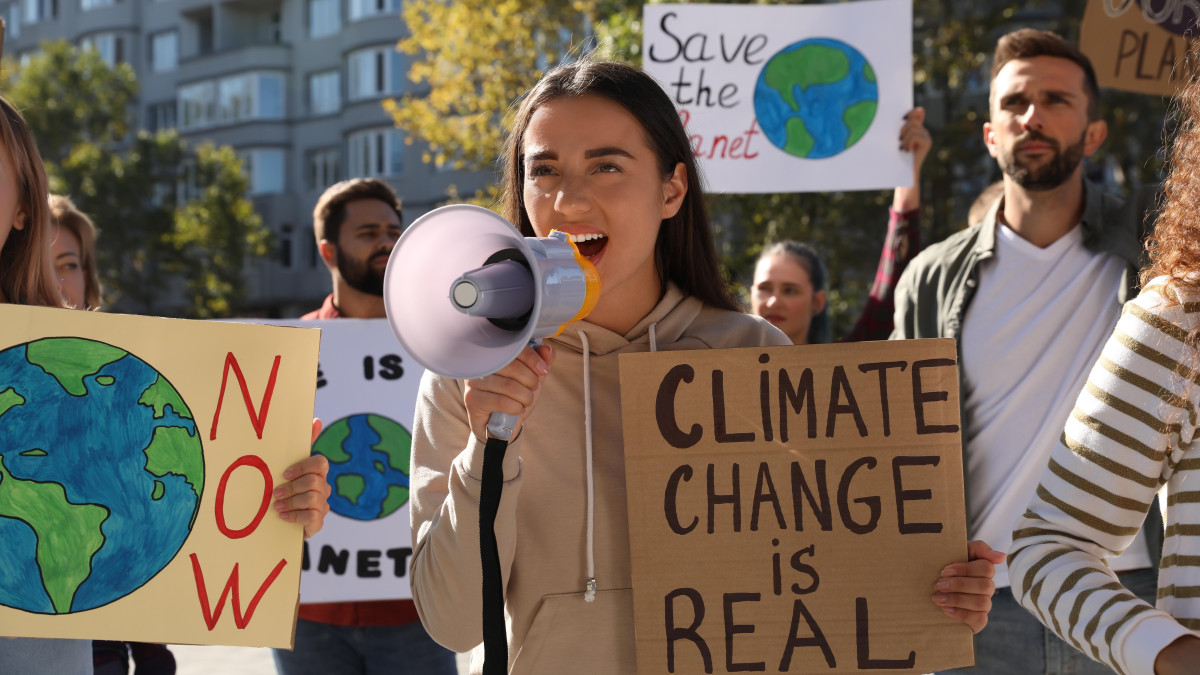
Climate costs in Norway may rise. The model reveals a hidden mechanism
Fot. stock.adobe.com/licencja standardowa (zdjęcie poglądowe)
The report was published on June 18, 2026. SSB used the SNOW general equilibrium model and external estimates of costs and benefits resulting from various climate impacts. The study includes six scenarios: three for the middle of the century (2050) and three for the end of the century (2100).
Six scenarios. Two channels of impact on Norway
In the analysis, climate change is treated as an external factor. SSB indicates that it affects the Norwegian economy through physical changes in the country and through the influence of global markets. The report describes domestic effects in more detail. Data on foreign impacts are limited.
Seven categories were included in the model: agriculture, forestry, fisheries and aquaculture, hydropower, tourism, buildings, and transport infrastructure. Estimates for these areas come from partial studies collected for EKLIM. Each category was assessed in six climate scenarios.
Seven categories were included in the model: agriculture, forestry, fisheries and aquaculture, hydropower, tourism, buildings, and transport infrastructure. Estimates for these areas come from partial studies collected for EKLIM. Each category was assessed in six climate scenarios.
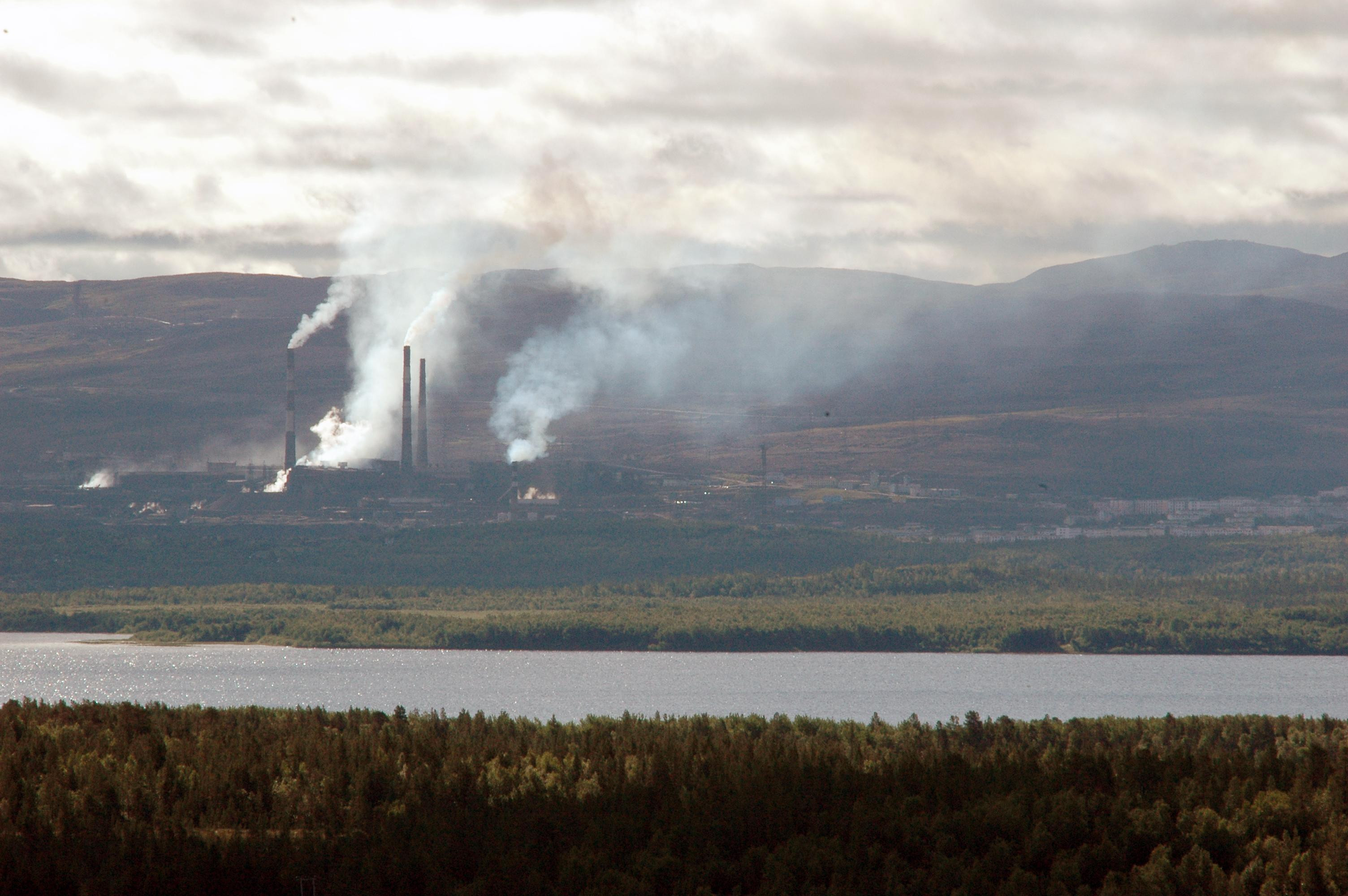
In the photo: production facility in Pasvikelva (2021).illustrative photo; photo by Paul Eric Aspholm/NIBIO
Costs are rising. Policy changes the outcome of climate impacts
SSB states that the main goal of the model was to show the effects of interactions between markets and economic participants. Climate effects in one industry can transfer costs to other parts of the value chain. Some companies and households adjust their decisions, which can limit the initial increase in costs.
The report also points to the impact of existing economic policy. Taxation of labor can increase social costs when climate impacts reduce employment. The opposite effect occurs when adjustments increase the number of people employed. Taxes, subsidies, tariffs, and instruments supporting selected industries are also important.
The report also points to the impact of existing economic policy. Taxation of labor can increase social costs when climate impacts reduce employment. The opposite effect occurs when adjustments increase the number of people employed. Taxes, subsidies, tariffs, and instruments supporting selected industries are also important.
In the categories of hydropower, agriculture, and forestry, the direct impact of climate is positive in the report. The largest direct negative effect is attributed to transport infrastructure. When all categories are considered together, the social loss is more than twice as high as the direct costs of climate change.
How do you rate this article?