
Inflation in Norway May Fall. Norges Bank Faces a New Problem
The Norwegian Central Bank (Norges Bank) may face a tough choice at its next interest rate decision. Economists point to a possible drop in food prices in May and lower inflation. At the same time, higher energy prices and a weaker Norwegian krone could increase pressure on the bank.

Energy and a weaker krone may hit at the same time. This is what Norges Bank fears
adobe stock/ licencja standardowa
Inflation in Norway was last below the 2 percent target in December 2020. Currency and interest rate strategist at Sparebank1 Markets, Dane Cekov, does not expect such a result in Wednesday's data from Statistics Norway (SSB). His forecast for May is 3.1 percent overall inflation.
Cekov, in an interview with E24, also expects core inflation at 3.3 percent. This indicator excludes energy prices and tax changes, and was 3.2 percent in April. According to him, a lower overall result may be due to cheaper electricity, diesel support, and a drop in oil and gas prices over the past month.
Cekov, in an interview with E24, also expects core inflation at 3.3 percent. This indicator excludes energy prices and tax changes, and was 3.2 percent in April. According to him, a lower overall result may be due to cheaper electricity, diesel support, and a drop in oil and gas prices over the past month.
Food Prices Are Falling. Norges Bank's Decision Still Open
DNB Carnegie expects core inflation to fall in May from 3.2 percent to 3.0 percent. This is lower than Norges Bank's previous report forecast, which assumed 3.3 percent. Chief economist Kjersti Haugland points out in an interview with E24 the unusual drop in prices of food and non-alcoholic beverages. Usually, this category rises in May.
Additionally, DNB Carnegie assumes an impact from lower monthly ticket prices in public transport. This may slightly lower core inflation. Haugland says the brokerage still leans toward a rate hike in June, but its own inflation forecast works against this thesis. DNB Carnegie is also waiting for signals from Norges Bank's Regional Network (Regionalt nettverk).
Additionally, DNB Carnegie assumes an impact from lower monthly ticket prices in public transport. This may slightly lower core inflation. Haugland says the brokerage still leans toward a rate hike in June, but its own inflation forecast works against this thesis. DNB Carnegie is also waiting for signals from Norges Bank's Regional Network (Regionalt nettverk).
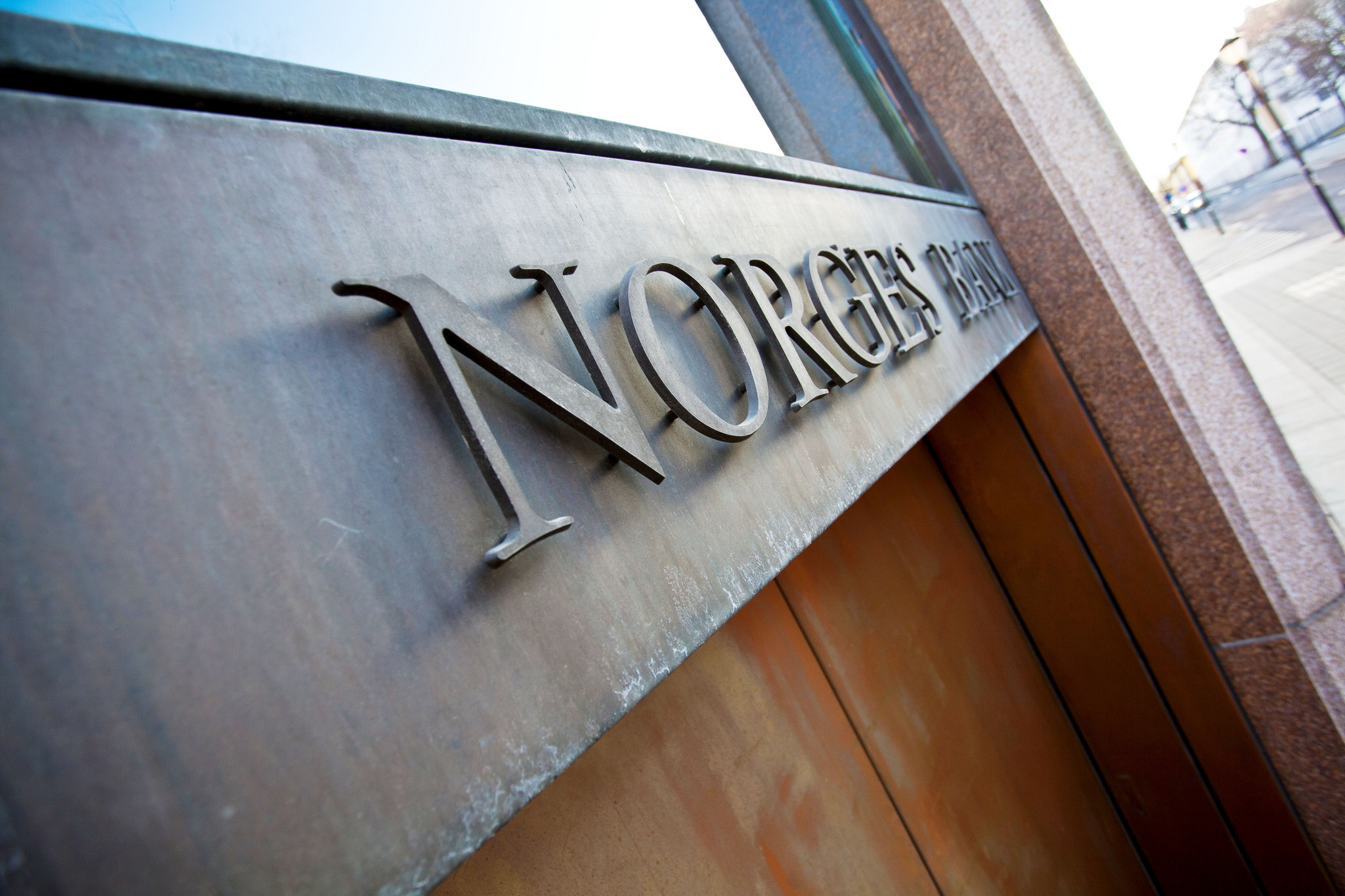
More and more economists believe that the next interest rate hike will not come before September at the earliest.Photo: flickr.com/Norges Bank/CC BY-ND 2.0
Energy Hits. The Norwegian Krone May Weaken the Effect
Cekov assesses that Norway is mainly struggling with domestic inflation. Imported price pressure has so far remained low, despite the war in the Middle East and higher oil prices. According to him, prices of imported goods are rising by about 2 percent. This is a bit more than Norges Bank assumed.
The most difficult scenario for the central bank would be a simultaneous increase in energy prices, inflation abroad, and a weakening of the Norwegian krone. Cekov describes such a situation as a double blow for Norway. However, he notes that this is not the most likely scenario. Much depends on the development of the conflict in the Middle East and the situation in the Strait of Hormuz.
The most difficult scenario for the central bank would be a simultaneous increase in energy prices, inflation abroad, and a weakening of the Norwegian krone. Cekov describes such a situation as a double blow for Norway. However, he notes that this is not the most likely scenario. Much depends on the development of the conflict in the Middle East and the situation in the Strait of Hormuz.
The interest rate market has lowered the probability of a June rate hike from 50 percent to 20 percent. Cekov is more inclined toward September, and if the war ends quickly, he does not rule out no further hike this year. However, Norges Bank left the door open in May for one more move.
How do you rate this article?