Historic Tourist Trails in Norway. Combine Your Vacation with the Mysteries of the Land of Fjords
Norwegian history leads enthusiasts of the past through many threads: from the expansive Vikings, through conflicts with neighbors, to the 19th-century foundations of the modern state. Each era left behind relics in the form of trade and pilgrimage routes. Some of these trails can be explored and experienced as tourist attractions.
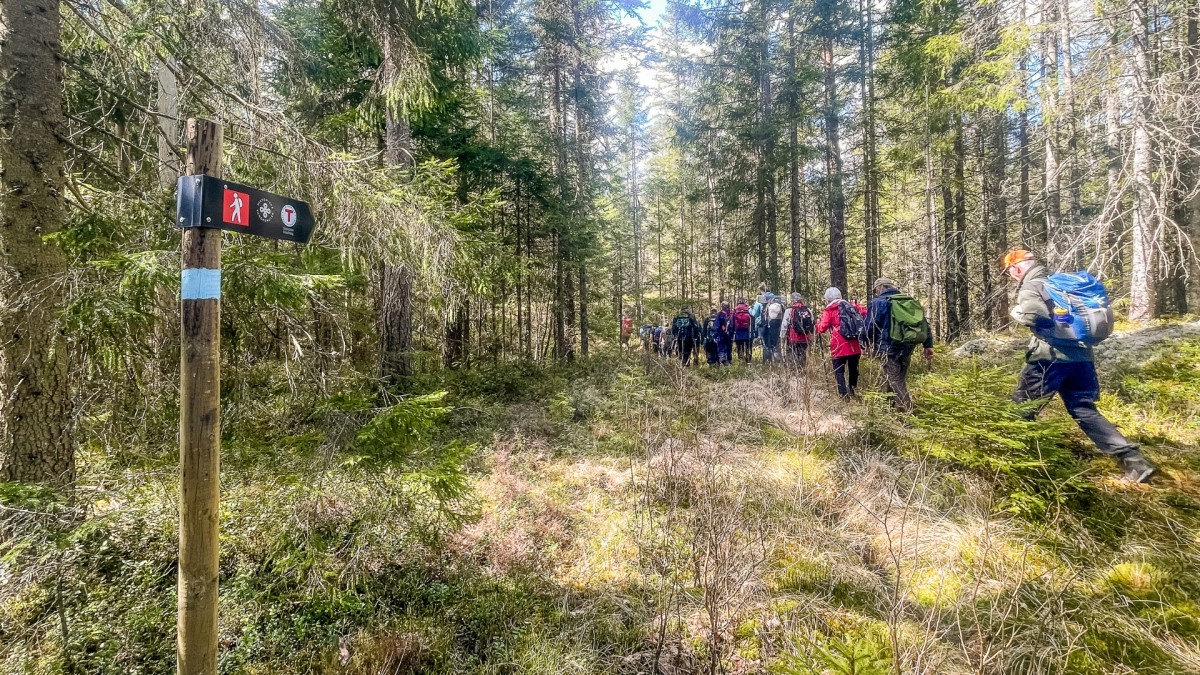
In the photo: the historic Hallevägen trail.
Fot. Louise Brunborg-Næss, DNT
One of the organizations responsible for promoting Norwegian hiking trails is the Norwegian Trekking Association (Den Norske Turistforening). It cooperates with state institutions that work to preserve and promote Norwegian culture and history. Activists point out that historic hiking trails are gaining increasing recognition among visitors—from other regions of the land of fjords as well as from abroad. “This is another suggestion for a trip surrounded by our national heritage,” explains Dag Terje Klarp Solvang, the association’s secretary general.
Hallevägen – Corridor Between Sweden and Norway
The newest trail opened by the Norwegian Trekking Association is Hallevägen. Hikers can travel the section from Rävlyckan in Sweden to Halden in Norway. The name appeared among the Norse several hundred years ago, referring to the route Swedes had to take to reach Halden. 'Hallen' itself is the earlier name for this town. Hallevägen is primarily a merchant route. The three-stage section, totaling 45.5 kilometers, also allows for observing wildlife—wild boars, lynxes, and wolves.
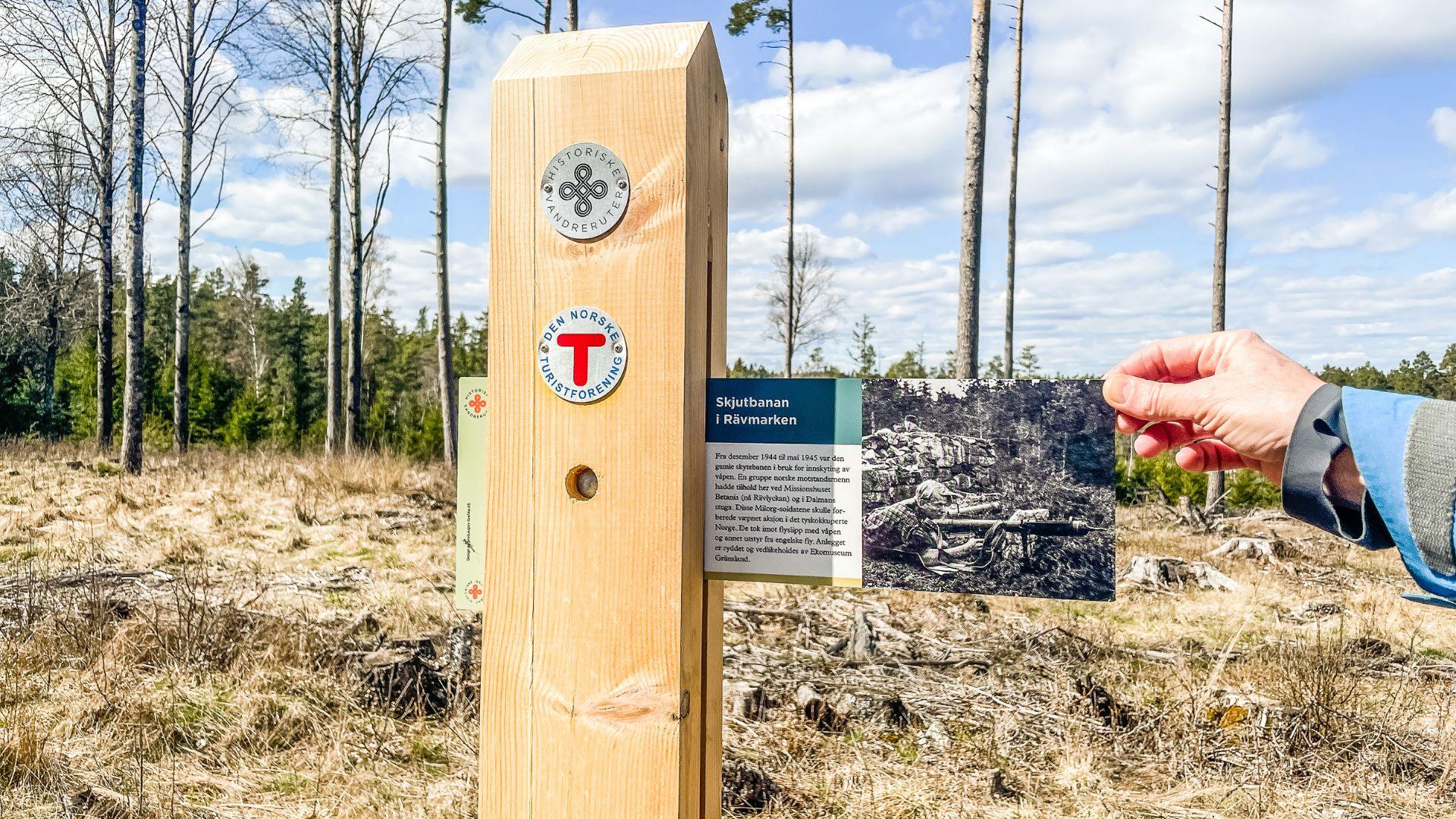
In the photo: one of the signs marking historic tourist trails in Norway.Photo: Louise Brunborg-Næss, DNT
Hallevägen also allows you to delve into the secrets of Swedish-Norwegian relations and the military history of both countries. Along the route, there are remnants of resistance movement points from World War II. Some elements of the trail also reference the era of Charles XII, King of Sweden.
St. Olavsleden – The Trail of Saint Olaf
St. Olavsleden is a historic pilgrimage route leading to Trondheim, where the tomb of Saint Olaf, the patron saint of Norway, is located. It stretches for about 700 kilometers. Tourists choose it for its historical and spiritual experiences. The trail passes through villages, forests, and other landscapes typical of Norway—steep slopes and pastures.
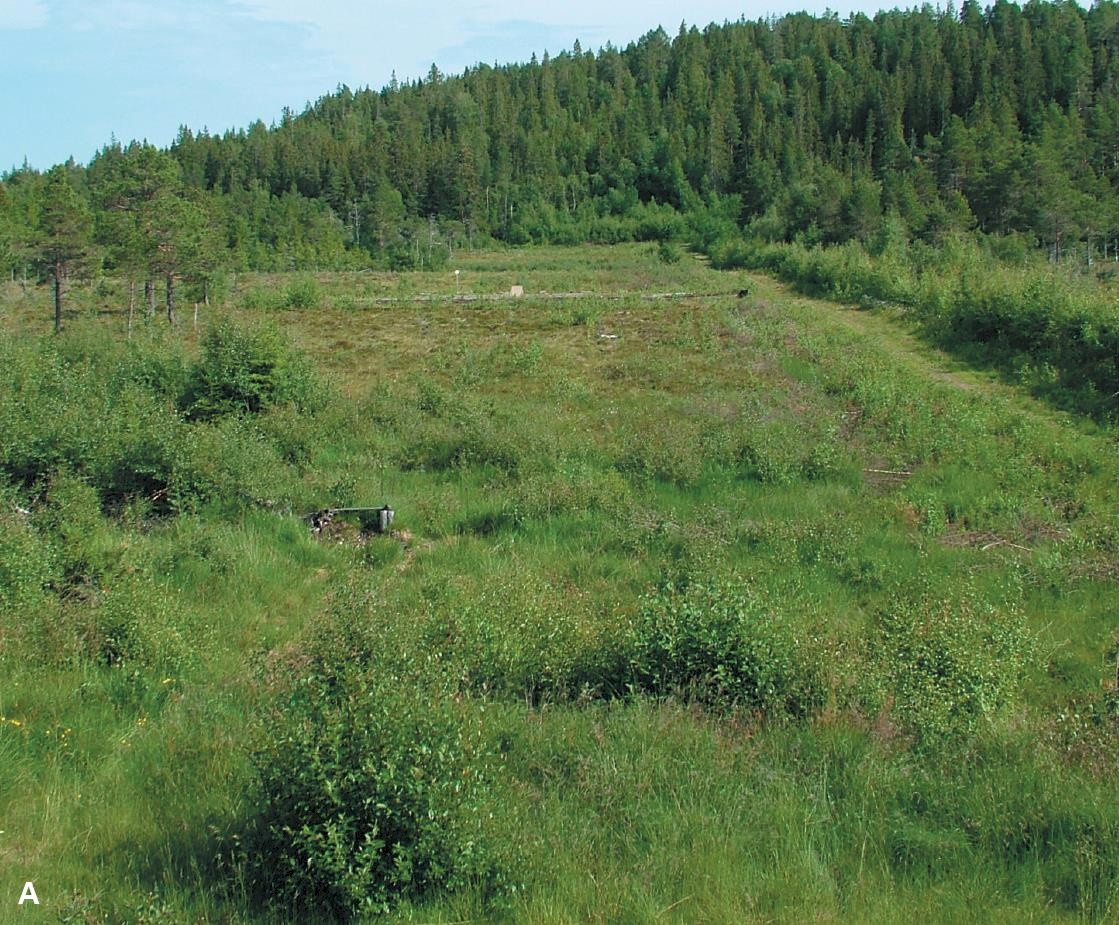
In the photo: remains of the Banemyra shooting range, through which St. Olavsleden passes.Photo: Forsvarsbygg
In the Middle Ages, the trail also extended into other European countries, including what is now Germany. Pilgrims who wanted to pay homage to Olaf II in Nidaros—modern Trondheim—used this route. The ruler abolished slavery and led to the adoption of Christianity.
Rallarvegen Trail – The Railway Builders’ Road
Rallarvegen is especially popular among Norwegian cycling enthusiasts. It is a historic route used during the construction of the Bergen railway between 1895 and 1902. Today, it is a popular cycling and hiking trail. It offers tourists views of fjords, mountains, and waterfalls. The Railway Builders’ Road also leads through numerous tunnels and bridges.
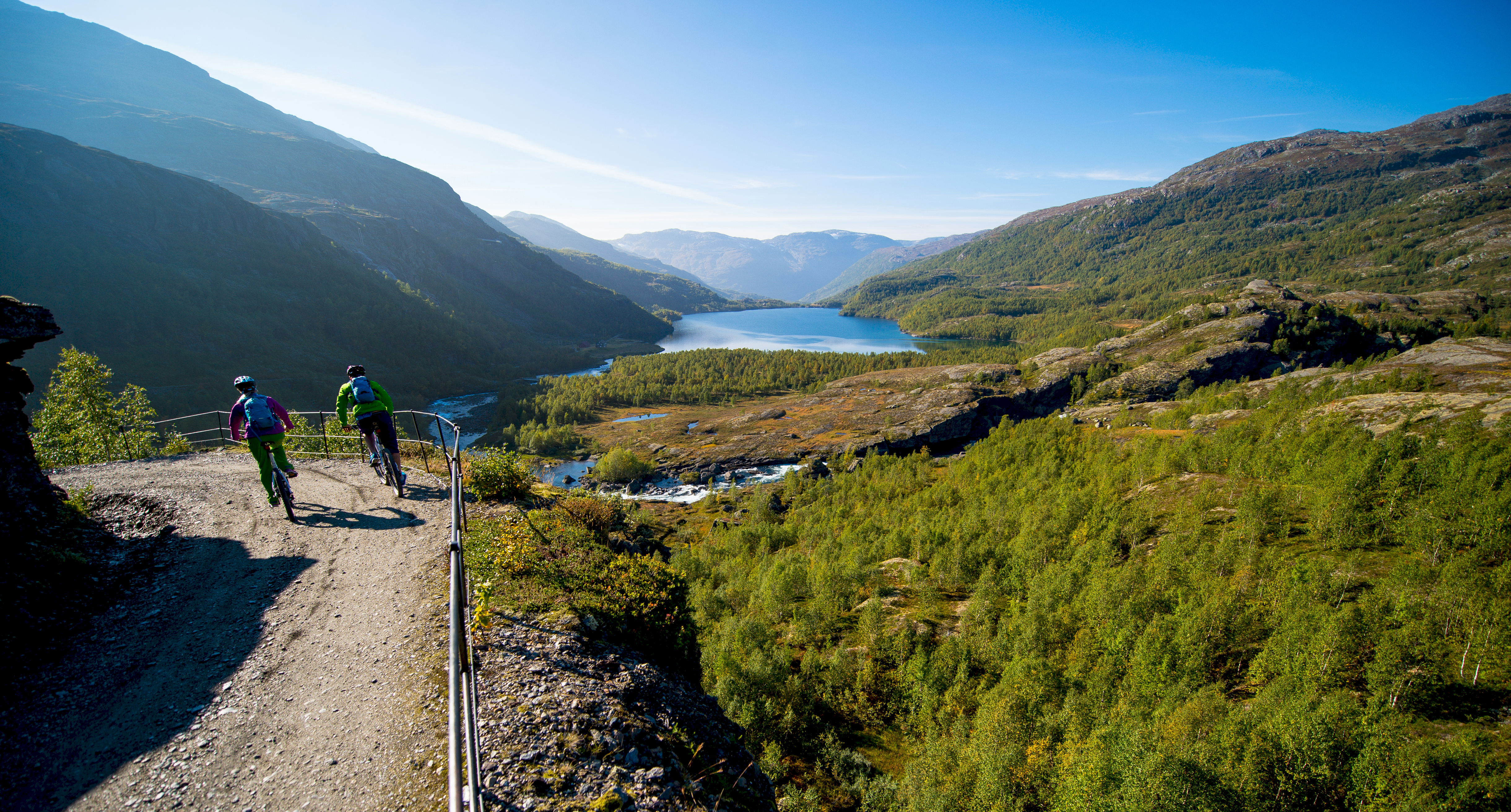
In the photo: one of the sections of Rallarvegen.Photo: Innovasjon Norge
The Rallarvegen trail was opened to cyclists in the 1970s. It leads, among others, through Flåmsdalen and Hardangervidda—one of the most popular scenic routes in Norway and the world.
Dovrefjell Trail – Connecting Oslo and Trondheim
The Dovrefjell Trail is part of a historic trade route between Oslo and Trondheim. Today, however, it is known for its remarkable flora and fauna. Tourists can admire landscapes featuring wild reindeer and views of mountains and plateaus. Passing through Dovrefjell National Park—beyond the historical memories—one should pay attention to the unique ecosystem in the area.
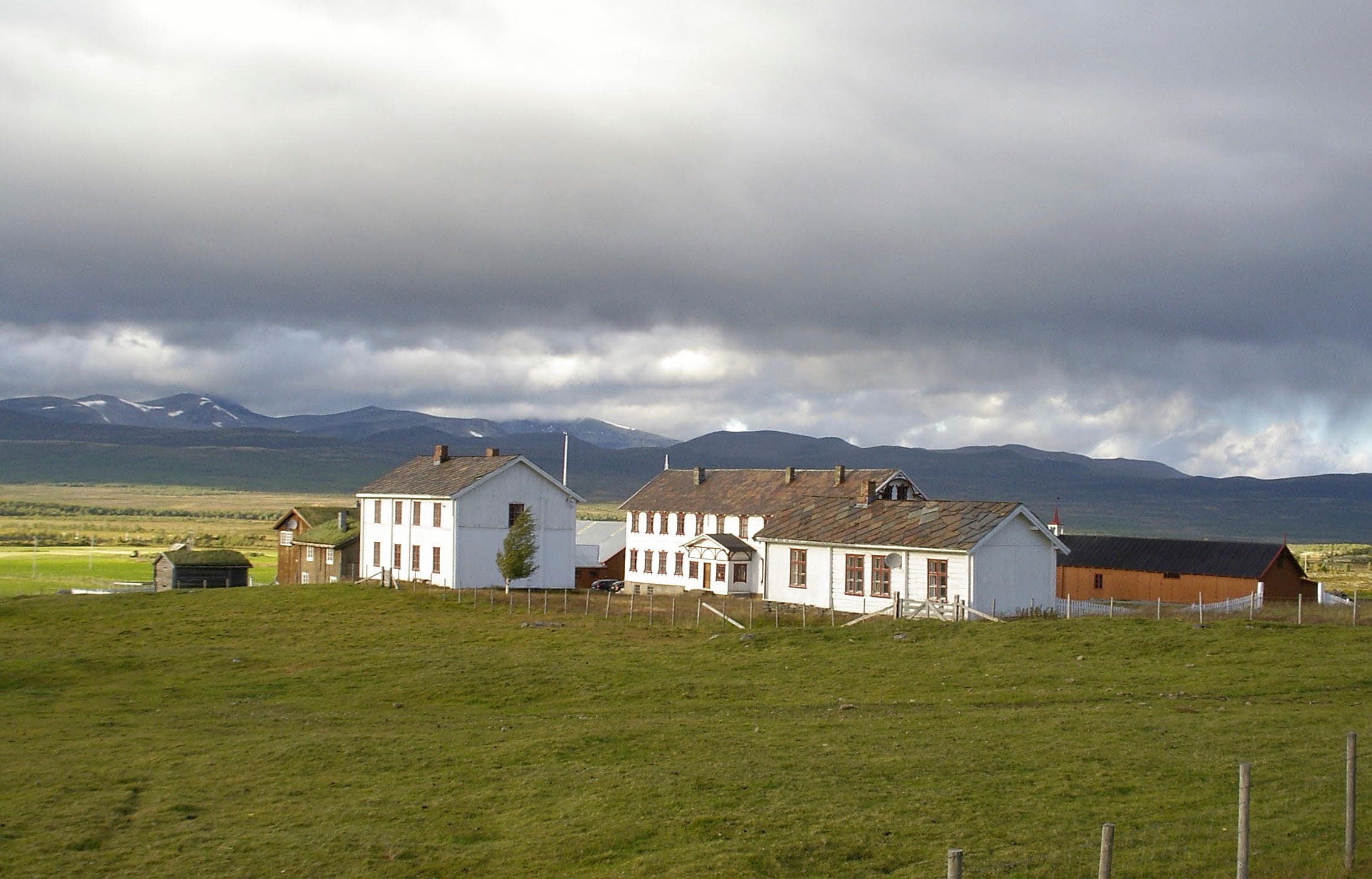
In the photo: a facility offering accommodation to tourists traveling through Dovrefjell.Photo: Ragnhild Hoel, Riksantikvaren
Travelers have been crossing the Dovrefjell mountains since the turn of the 11th and 12th centuries. Along the route, sælehus—huts that allowed for rest during trade journeys between southern and central Norway—were visible.
The Norwegian Royal Road (Kongevegen)
The full name of the trail is Kongevegen over Filefjell. The over 100-kilometer route leads, among others, through the Filefjell mountains. It connects Vang and Lærdal. At the turn of the 18th and 19th centuries, it linked Bergen and Oslo. It is called the tourist gem of this part of Norway. It is divided into 11 sections, allowing for walks for beginners and less demanding tourists. The significance of the trail is especially visible on the map. Over 200 years ago, it was the first such large undertaking to connect the eastern and western parts of the land of fjords.
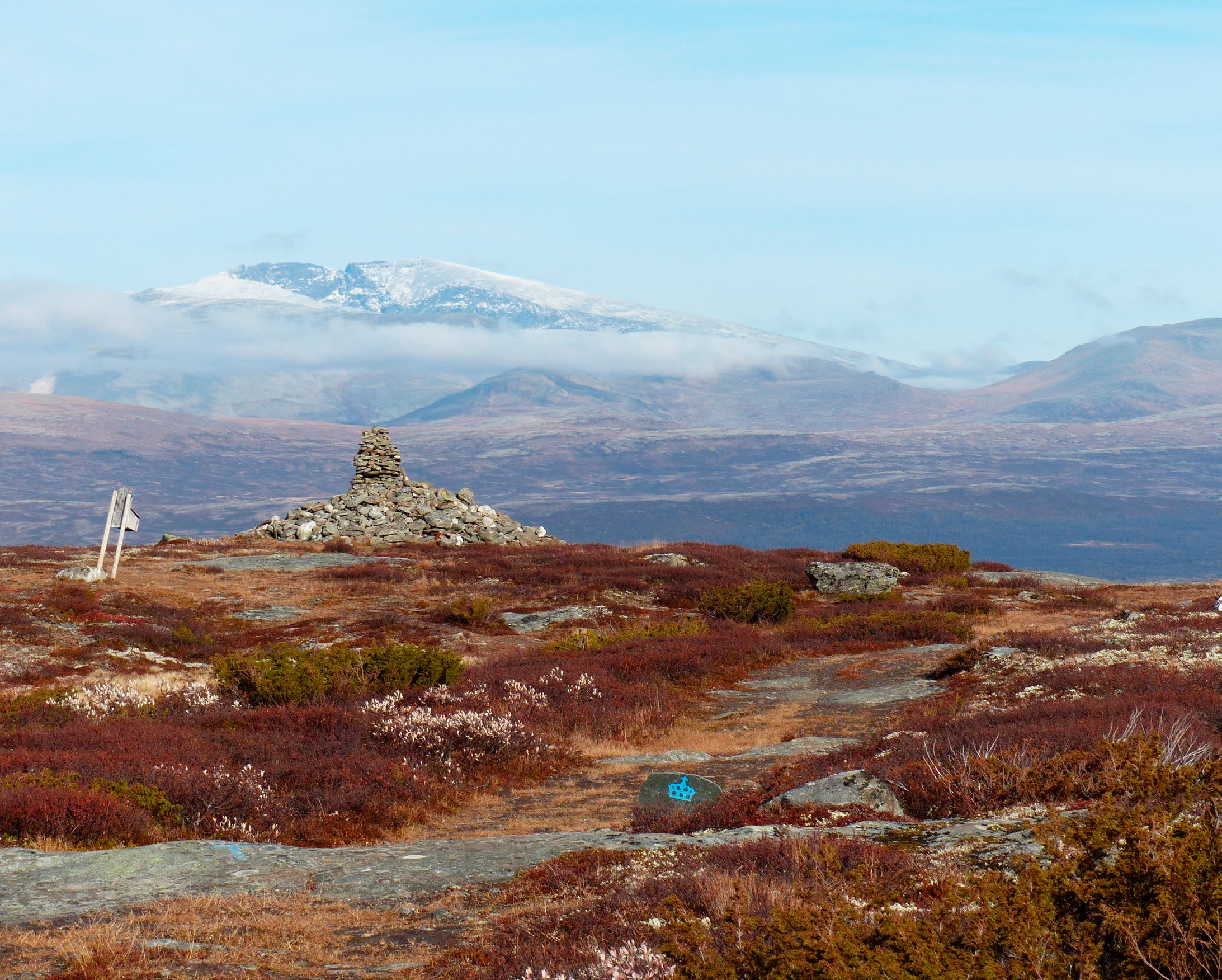
In the photo: a marked section of the former Oslo-Nidaros route.Photo: Kjetil Rolseth, Innlandet fylkeskommune
The trail allows you to admire Norwegian landscapes—mountains, bodies of water, and forests. The route is diverse—sometimes quite flat, leading over peaks or downhill. Rest is possible near holiday cottages as well as ski and tourist centers that intersect the trail.
Historic tourist trails in Norway are mostly adapted to the needs of hikers and cyclists. In addition to elements of national heritage, they offer the opportunity to admire nature typical of the land of fjords. Some lead through national park areas. Tourism organization activists remind us that even a historic trail can pose challenges. They ask that your planned journey be adapted to weather conditions and that you take care of safety and proper equipment.
Sources: Den Norske Turistforening, Riksantikvaren, MojaNorwegia.pl
Sources: Den Norske Turistforening, Riksantikvaren, MojaNorwegia.pl
How do you rate this article?