Flight Attendant Hospitalized After Hantavirus Exposure. Should Europeans Be Worried?
A Dutch flight attendant was admitted to a hospital in Amsterdam after coming into contact with a cruise ship passenger who was diagnosed with hantavirus. The woman has mild symptoms and is in isolation, where she is undergoing tests.
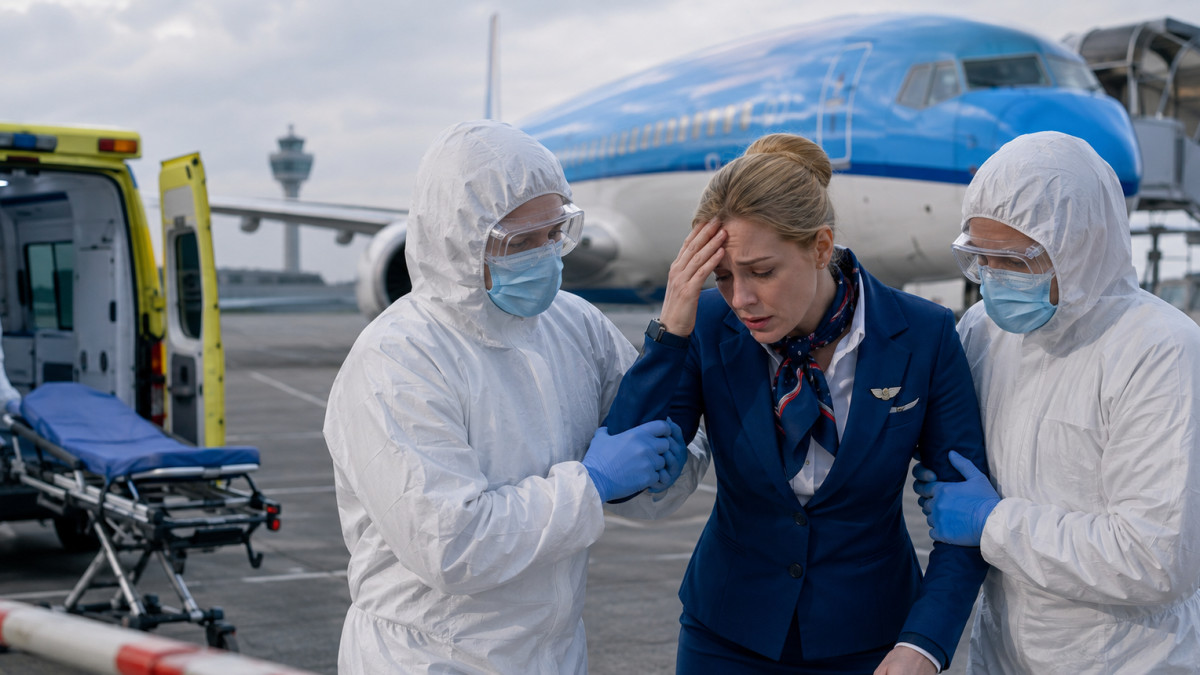
Flight attendant in hospital after hantavirus exposure
MojaNorwegia
Infections on the Cruise Ship
The MV Hondius was sailing in the South Atlantic. According to the World Health Organization, the first symptoms among those affected appeared in April.
Passengers reported fever, stomach problems, and weakness. In some cases, health deteriorated rapidly, leading to serious breathing difficulties.
This is why health authorities became interested in the case. They are now investigating who may have been in contact with infected individuals and whether there is a risk of further virus spread.
Passengers reported fever, stomach problems, and weakness. In some cases, health deteriorated rapidly, leading to serious breathing difficulties.
This is why health authorities became interested in the case. They are now investigating who may have been in contact with infected individuals and whether there is a risk of further virus spread.
What Is Hantavirus?
Hantaviruses are a group of viruses mainly carried by rodents, such as mice and rats. Humans can become infected primarily through contact with their droppings, urine, or saliva.
Infection can occur, for example, while cleaning places where rodents have been present. Sweeping or dry vacuuming is particularly risky, as contaminated particles can become airborne and be inhaled.
Infection can occur, for example, while cleaning places where rodents have been present. Sweeping or dry vacuuming is particularly risky, as contaminated particles can become airborne and be inhaled.
The Andes Variant — What Do We Know?
Research has shown that this case involves the Andes variant of hantavirus. This type is mainly found in South America and can cause more severe illness.
Unlike most hantaviruses, the Andes variant can, in rare cases, be transmitted from person to person. However, health authorities emphasize that such situations are very rare and usually require close and prolonged contact with an infected person.
Unlike most hantaviruses, the Andes variant can, in rare cases, be transmitted from person to person. However, health authorities emphasize that such situations are very rare and usually require close and prolonged contact with an infected person.
Is There a Risk for Europeans?
European health authorities reassure the public: the risk for Europeans is currently very low. People who may have been in contact with infected individuals are being monitored, and suspected cases are being investigated.
The flight attendant hospitalized in Amsterdam has mild symptoms. She has been isolated as a precaution so doctors can safely conduct diagnostic tests.
The flight attendant hospitalized in Amsterdam has mild symptoms. She has been isolated as a precaution so doctors can safely conduct diagnostic tests.
Hantaviruses Also Found in Norway
Although this case involves a ship and a variant from South America, hantaviruses are not entirely unknown in Norway.
The Norwegian Institute of Public Health reports that Norway has a disease known as musepest. It is also associated with hantaviruses, but usually involves a different virus type than the one found on the MV Hondius.
People who spend a lot of time in forests, work outdoors, or clean cabins, basements, garages, and other places where mice may have been are at higher risk of infection.
The Norwegian Institute of Public Health reports that Norway has a disease known as musepest. It is also associated with hantaviruses, but usually involves a different virus type than the one found on the MV Hondius.
People who spend a lot of time in forests, work outdoors, or clean cabins, basements, garages, and other places where mice may have been are at higher risk of infection.
How to Protect Yourself
The most important rule is simple: do not dry-clean areas where rodents may have been.
Before cleaning, thoroughly ventilate the room. Then, dampen contaminated surfaces with a cleaning or disinfecting agent and use gloves. It's best to avoid sweeping or vacuuming if there are signs of mice.
Extra caution is advised especially in cabins after winter, basements, garages, sheds, and storage rooms.
Before cleaning, thoroughly ventilate the room. Then, dampen contaminated surfaces with a cleaning or disinfecting agent and use gloves. It's best to avoid sweeping or vacuuming if there are signs of mice.
Extra caution is advised especially in cabins after winter, basements, garages, sheds, and storage rooms.
When to Contact a Doctor
Anyone who had close contact with passengers or crew of the MV Hondius and develops worrying symptoms should contact a doctor.
Such symptoms include fever, severe weakness, muscle aches, cough, shortness of breath, or sudden deterioration in well-being. When speaking with a doctor, it's important to mention possible contact with an infected person.
Such symptoms include fever, severe weakness, muscle aches, cough, shortness of breath, or sudden deterioration in well-being. When speaking with a doctor, it's important to mention possible contact with an infected person.
Authorities Are Monitoring the Situation
At this time, there are no indications that hantavirus poses a threat to people in Europe or Norway. However, the case is being taken seriously because of the severe illnesses that occurred on the ship.
Health authorities emphasize that the most important measures now are testing, isolating symptomatic individuals, and monitoring those who may have been in contact with infected people.
Health authorities emphasize that the most important measures now are testing, isolating symptomatic individuals, and monitoring those who may have been in contact with infected people.
Sources: Aftenposten, WHO, ECDC, RIVM, FHI.
How do you rate this article?