Equal opportunities are a myth. Norwegian children's sports depend on parents' wallets
Children from lower-income families are less likely to participate in organized sports in Norway. Data show a clear link between parents' income levels and the sports activity of children aged 6–15. The differences concern both participation in activities and the number of sports practiced.
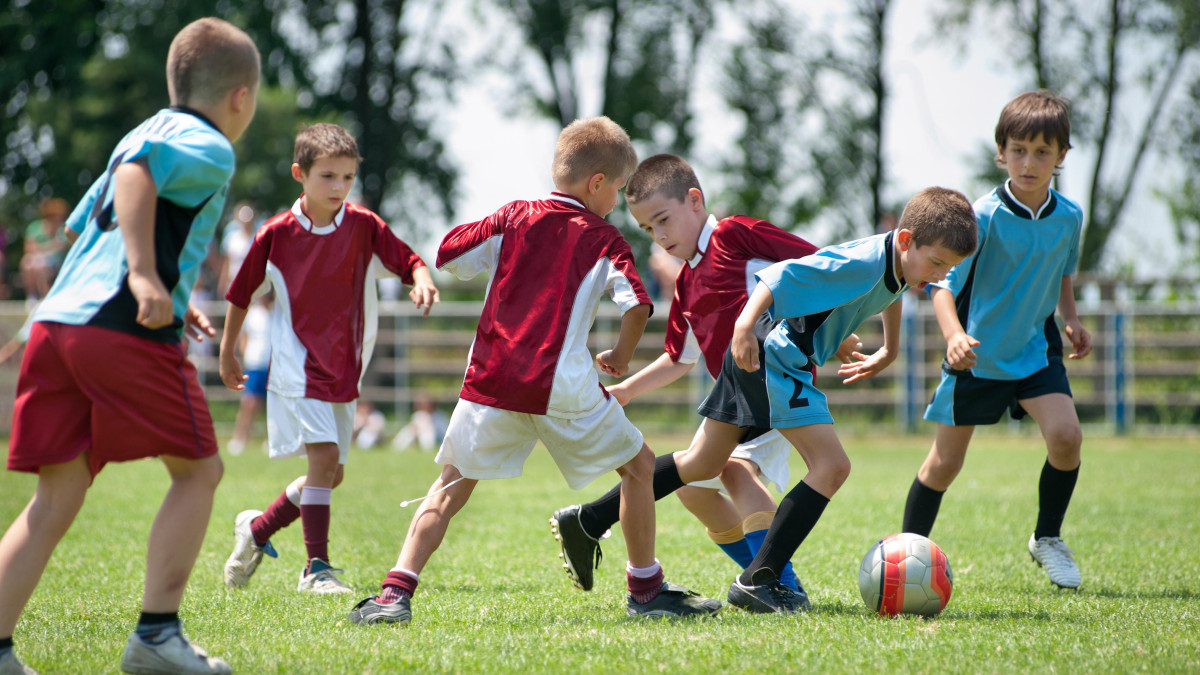
Participation in sports varies depending on parents' income.
Fot. fotolia
Organized sports are the most common form of extracurricular activity for children and youth in Norway. 72% of children aged 6–15 declare membership in a sports club.
However, participation varies depending on parents' income. In the lowest income quartile, 59% of children belong to a club. In the highest quartile, the percentage is 83%.
However, participation varies depending on parents' income. In the lowest income quartile, 59% of children belong to a club. In the highest quartile, the percentage is 83%.
Differences in sports choices
Differences are also visible in the choice of sports disciplines. Football remains the most popular in all income groups. Between 52% and 58% of children play it, and in low-income families even 68–69%.
For handball, the disparities are greater. In the highest quartile, 23% of children play it, while in the lowest quartile it's 14%. The lowest participation, at 10%, concerns children from families receiving social assistance.
For handball, the disparities are greater. In the highest quartile, 23% of children play it, while in the lowest quartile it's 14%. The lowest participation, at 10%, concerns children from families receiving social assistance.
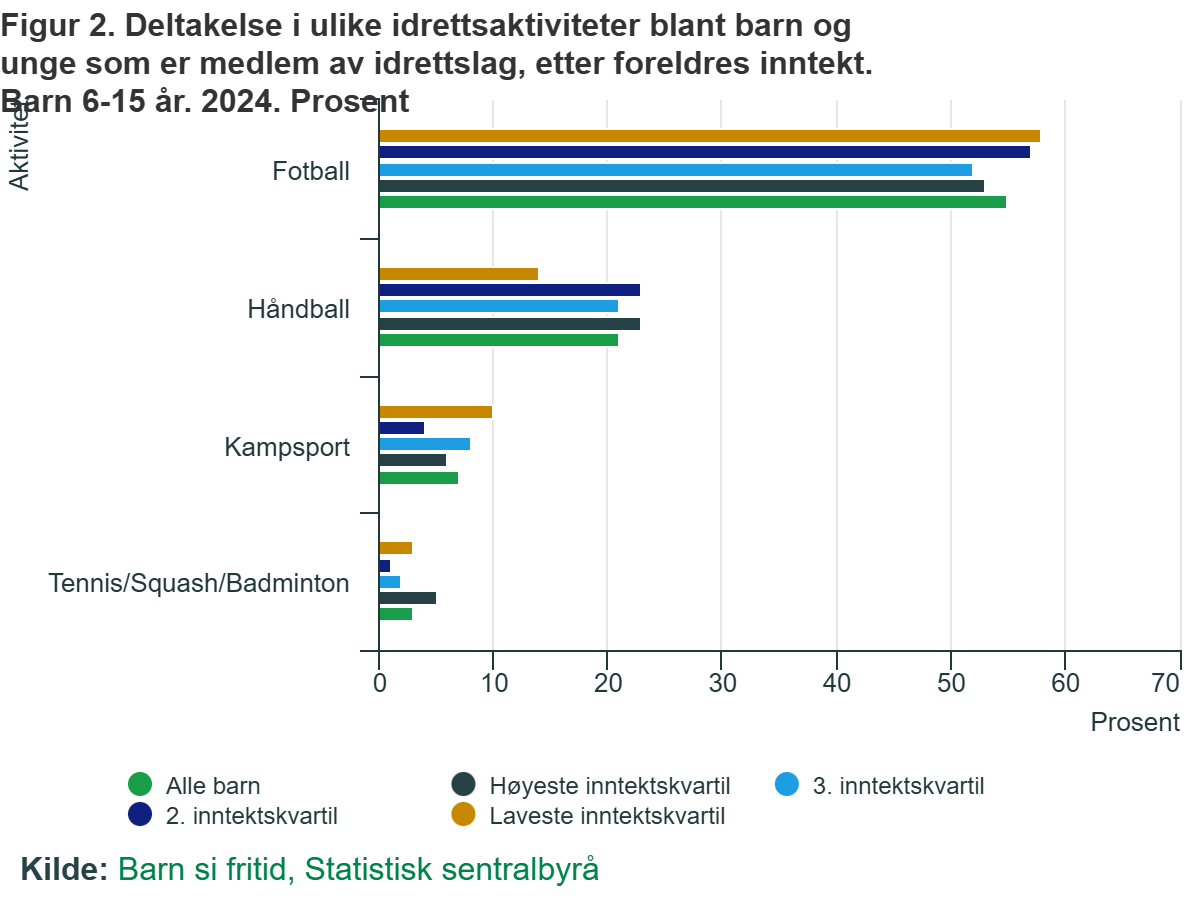
Participation in various sports activities among children and youth from sports clubs by parents' income.Ill. SSB
Number of activities vs. parents' income
Parents' income also affects the number of sports disciplines practiced. Lack of any sports activity concerns 41% of children from the lowest income quartile. In the highest quartile, the percentage is 17%.
The share of children practicing at least two disciplines increases with income. It ranges from 21% in the lowest quartile to 38% in the highest. In low-income families and those receiving social assistance, participation in multiple activities is noticeably lower.
The share of children practicing at least two disciplines increases with income. It ranges from 21% in the lowest quartile to 38% in the highest. In low-income families and those receiving social assistance, participation in multiple activities is noticeably lower.
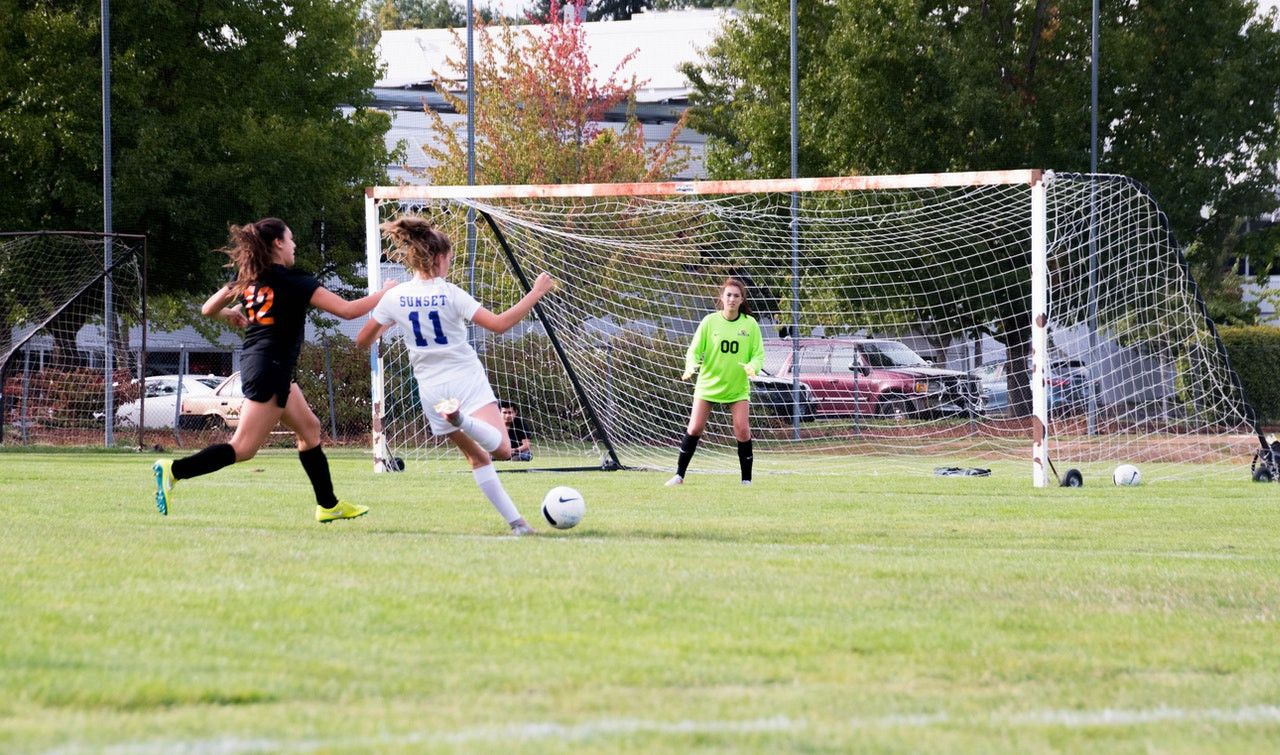
Children from low-income families are less likely to participate in several disciplines at the same time.Photo: Pexels
Sports out of reach for some families
Costs are the most frequently cited barrier to children's participation in sports. 62% of parents from the lowest income quartile and 66% of families receiving social assistance point to this.
At the same time, 59% of children from this group declare a desire to play sports more often. Differences are also visible in life satisfaction and feelings of loneliness. These mainly affect children who do not participate in organized sports activities.
At the same time, 59% of children from this group declare a desire to play sports more often. Differences are also visible in life satisfaction and feelings of loneliness. These mainly affect children who do not participate in organized sports activities.
How do you rate this article?