Diesel prices have soared by 60 percent. Winter will only increase pressure on fuel prices
Diesel prices on global markets have risen sharply. Oil market analyst Amrita Sen believes that the current level could persist for as long as six months. A cold winter could further increase pressure on fuel prices.

Norway's fuel price relief package expired on 1 September.
Fot. Pxhere/zdjęcie poglądowe
Diesel prices are currently significantly higher than crude oil quotations alone would suggest. Amrita Sen, founder and director of the analytics firm Energy Aspects, told Nettavisen that in many places the value of diesel was approaching $200 per barrel. Crude oil costs around $94 per barrel. At the same time, Norway's temporary cut in diesel taxes expired on 1 September, raising prices at filling stations by almost NOK 5 per litre.
Stocks are disappearing quickly. Diesel breaks records
The price of diesel on energy markets has risen by around 60 percent in two months. The difference between the price of a barrel of diesel and a barrel of crude oil currently exceeds $100, whereas it normally ranges from $20 to $40. Diesel therefore costs more than twice as much as crude oil. Sen points out that the market has lost part of its buffer against further disruptions.
Oil stocks accumulated, among other places, in China at the start of the war with Iran have largely been used up. According to Sen, this limits the ability to cushion further swings in demand and supply. Weather may be an additional factor. If the winter is cold, diesel consumption may increase, which could lead to further price rises.
Oil stocks accumulated, among other places, in China at the start of the war with Iran have largely been used up. According to Sen, this limits the ability to cushion further swings in demand and supply. Weather may be an additional factor. If the winter is cold, diesel consumption may increase, which could lead to further price rises.
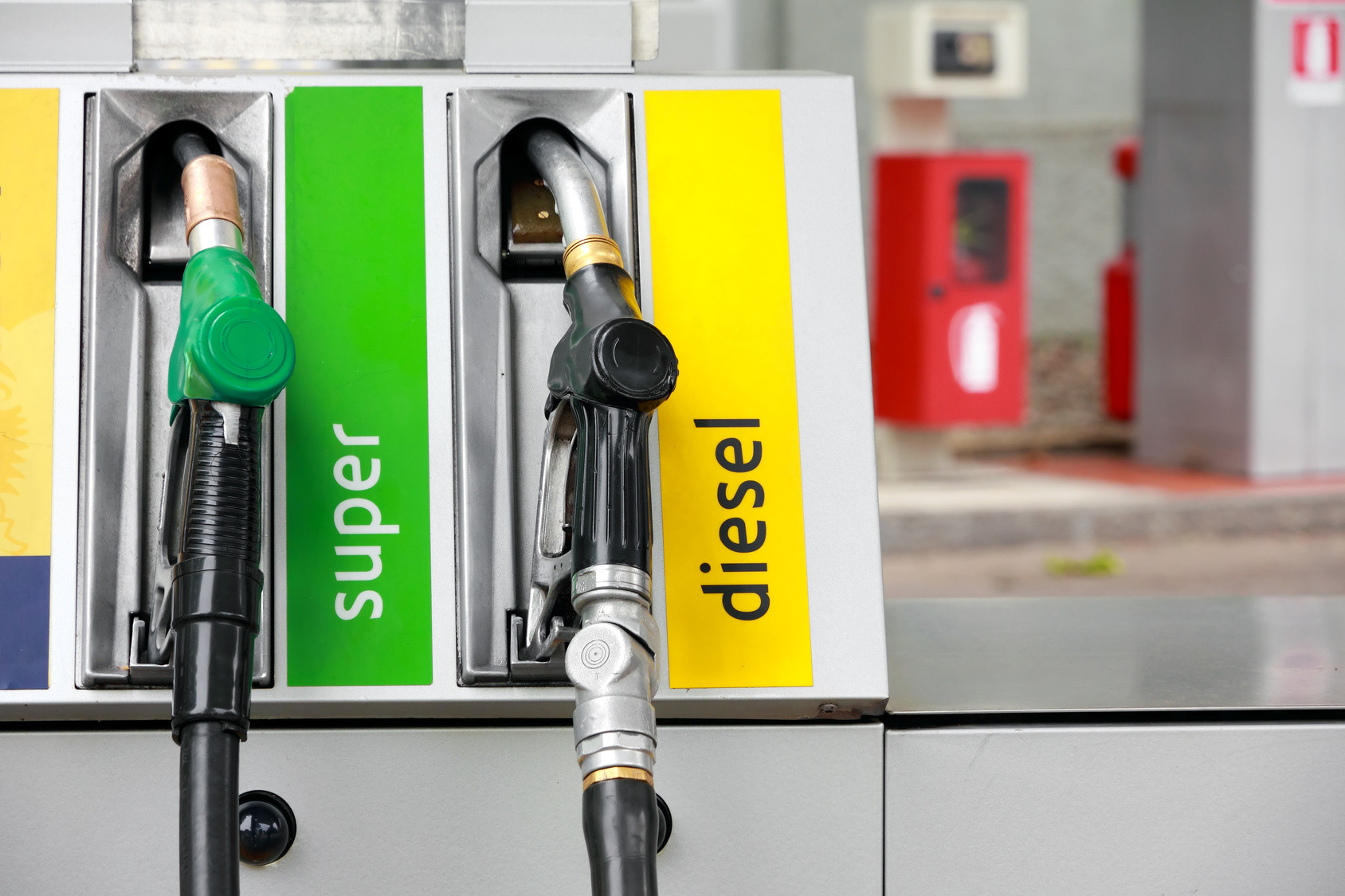
Record gap between diesel and crude oil. The market has lost its buffer.Photo: Fotolia
Gas adds pressure. Russia restricts exports
The pressure also affects the natural gas market. Sen points out that when access to gas is limited, some consumers may replace it with diesel, increasing demand for the fuel. In her view, prices at $180–200 per barrel may be necessary for around six months before demand falls noticeably. A cold winter could bring even higher temporary price levels.
The market is also being affected by supply problems from Russia. Ukraine continues to attack Russian refineries, and Russia, which previously exported around 1 million barrels of diesel a day, has introduced an export ban. Energy Aspects assumes that even after it is lifted, Russian exports will remain very low for several months. Sen notes that the situation is further complicated by disruptions to Iran's energy infrastructure.
The market is also being affected by supply problems from Russia. Ukraine continues to attack Russian refineries, and Russia, which previously exported around 1 million barrels of diesel a day, has introduced an export ban. Energy Aspects assumes that even after it is lifted, Russian exports will remain very low for several months. Sen notes that the situation is further complicated by disruptions to Iran's energy infrastructure.
High energy prices may eventually affect other goods as well. Sen points to food, fertilisers and ammonia, whose prices are linked, among other things, to energy and transport costs. In her view, the pressure may become more visible towards the end of 2026 and persist into 2027.
How do you rate this article?