Diesel prices drop by several NOK. The government claims this will bring problems for Norway
Norway is introducing fuel tax cuts from May 1. Finance Minister Jens Stoltenberg warns of a possible violation of EEA rules and the risk of illegal state aid.
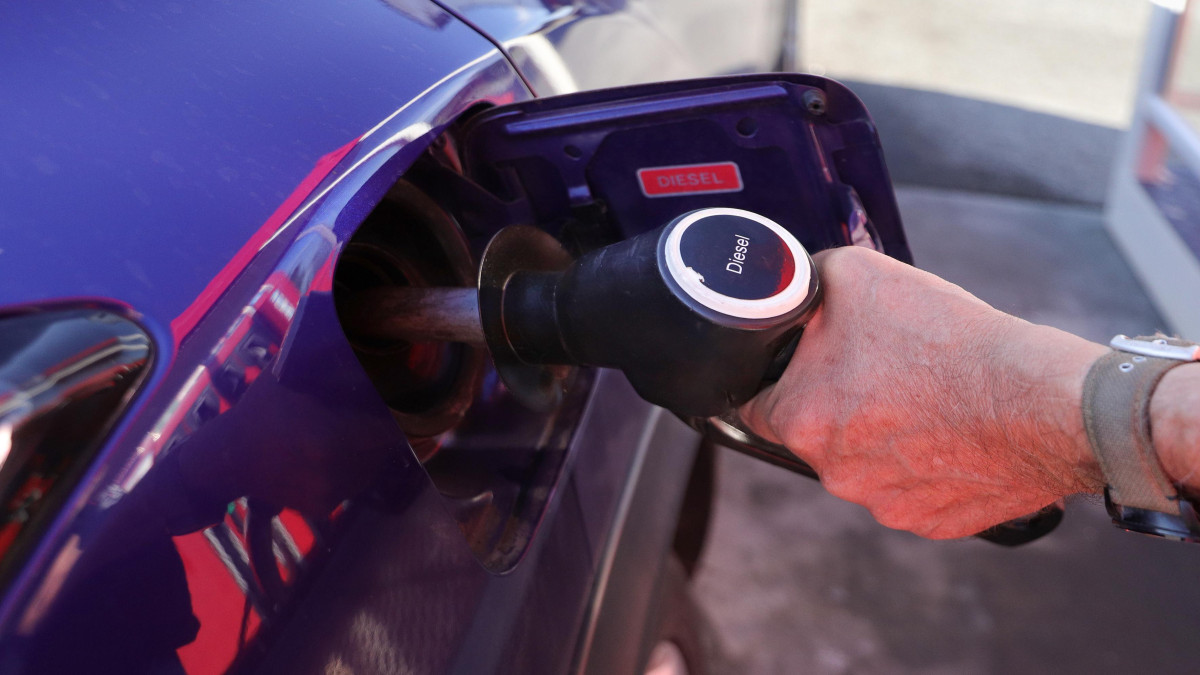
There is a possibility that proceedings may be initiated by the ESA, the authority overseeing EEA rules compliance, due to suspected illegal state aid.
Fot. Ina Meer Sommer - stock.adobe.com
The decision was made despite earlier doubts and political disputes. Parliament did not block the introduction of the cuts, and the government adopted implementing regulations. The new rates will apply temporarily.
Drop in diesel prices in Norway. Reductions at fuel stations
After warnings of possible EEA non-compliance, the Conservative Party initiated a proposal to postpone the implementation of the cuts. The Labour Party then presented a counterproposal. However, neither motion was submitted to parliament. As a result, the decision to implement the cuts was upheld.
The reductions from May 1 account for about half of all changes adopted before Easter. The diesel tax is reduced by NOK 1.33 per litre. The total price drop at the pump is NOK 4.26 per litre. The lower rates also apply to fisheries, shipping, and the construction sector. The changes are valid until September 1.
The reductions from May 1 account for about half of all changes adopted before Easter. The diesel tax is reduced by NOK 1.33 per litre. The total price drop at the pump is NOK 4.26 per litre. The lower rates also apply to fisheries, shipping, and the construction sector. The changes are valid until September 1.
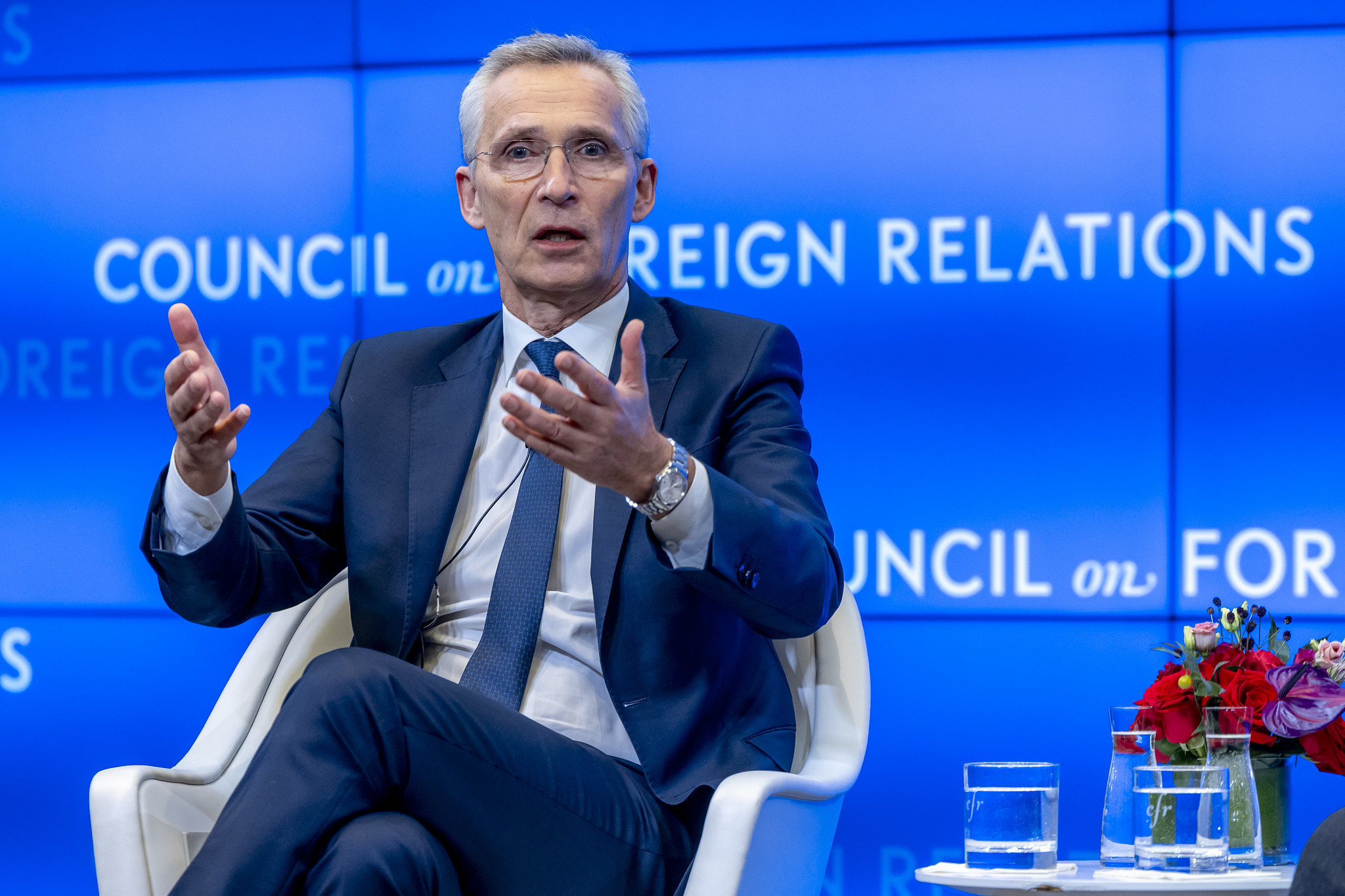
Jens Stoltenberg announced that an updated version of the state budget will be presented, which will include further decisions regarding fiscal policy and public spending.Photo: flickr.com/ NATO/ https://creativecommons.org/licenses/by-nc-nd/2.0/
Details of the rates. Government on legal risks
For fisheries near the coast, the CO2 rate drops from NOK 4.42 to NOK 0 per litre. For diesel, from NOK 4.42 to NOK 3.09. For construction fuel, from NOK 4.42 to NOK 1.92. In domestic shipping, rates drop to NOK 0.90 and NOK 3.17 respectively. From September 1, they are to return to previous levels.
Stoltenberg points out the lack of EEA authorities' approval for the reliefs. He emphasizes the risk of proceedings before the ESA and courts. However, he does not want to assess whether companies will have to return the obtained benefits. He draws attention to unequal treatment of sectors and fuels. According to him, EEA regulations clearly govern such cases.
Stoltenberg points out the lack of EEA authorities' approval for the reliefs. He emphasizes the risk of proceedings before the ESA and courts. However, he does not want to assess whether companies will have to return the obtained benefits. He draws attention to unequal treatment of sectors and fuels. According to him, EEA regulations clearly govern such cases.
The government announces the presentation of an updated state budget. As part of this, the entire fiscal policy will be assessed, and the issue of fuel tax cuts will be addressed in the process. Further decisions may depend on the reaction of EEA institutions.
How do you rate this article?