Will Norway Benefit from the Middle East Conflict? Commodity Prices Are Soaring
Gas prices in Europe are surging rapidly after US and Israeli attacks on Iran. The market is also reacting with rising oil prices.
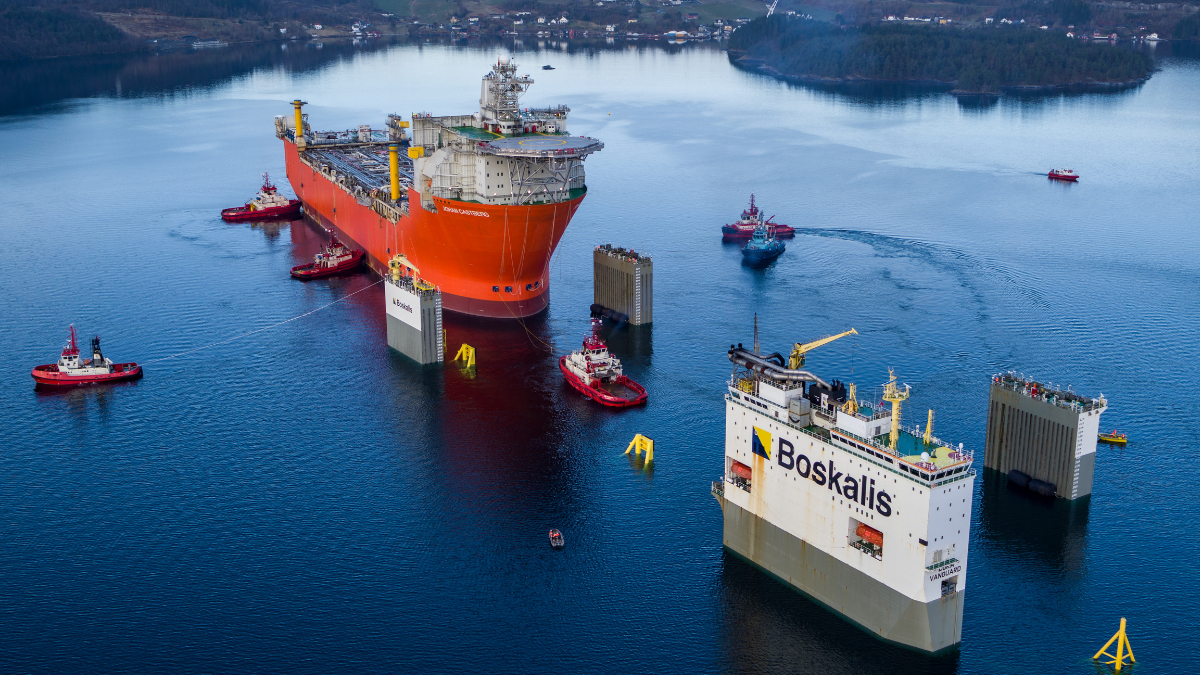
Iran's decisions may have a direct impact on prices.
Fot. Jan Arne Wold/Roar Lindefjeld/Woldcam, materiały prasowe Equinor
European TTF gas prices rose by 25 percent on the morning of March 2, according to Bloomberg data. The price reached nearly 40 euros per megawatt hour. Before the weekend, it was 31 euros. Later, the increase slowed down a bit.
Sharp Market Reaction
Gas trading started at 8:00 AM. The price quickly shot up. At its peak, it exceeded 38.5 euros per megawatt hour. That's an increase of about 20 percent in a short time.
SEB commodities analyst Ole Hvalbye points out that the market has potential for further increases. He highlights the differences between the oil and gas markets. Oil is easier to store on ships and on land. Gas is more susceptible to disruptions. At the beginning of the year, gas prices had already exceeded 40 euros after a period of cold weather in Europe, the US, and Asia.
At the same time, oil prices also rose. North Sea Brent crude temporarily cost 82 dollars per barrel. On the morning of March 2, the price was 79 dollars compared to 73 dollars before the weekend.
SEB commodities analyst Ole Hvalbye points out that the market has potential for further increases. He highlights the differences between the oil and gas markets. Oil is easier to store on ships and on land. Gas is more susceptible to disruptions. At the beginning of the year, gas prices had already exceeded 40 euros after a period of cold weather in Europe, the US, and Asia.
At the same time, oil prices also rose. North Sea Brent crude temporarily cost 82 dollars per barrel. On the morning of March 2, the price was 79 dollars compared to 73 dollars before the weekend.
Geopolitical tensions are reflected in commodity prices.Photo: stock.adobe.com/standard license
Risks for Supply and Energy Prices
Higher gas prices may translate into more expensive electricity. This is significant for European consumers and industry. Hvalbye points to a possible increase in inflation concerns. He notes that much depends on how the situation in the Middle East develops.
The Strait of Hormuz is of key importance. Large amounts of oil and LNG are transported through this route. Any blockade of the strait would mean another wave of price hikes. European gas storage facilities are currently filled to a level 16 percent lower than the average of the past ten years.
In recent years, some Russian gas supplies have been replaced by LNG, coming to Europe from the US and Qatar, among others. Thina Saltvedt from Nordea believes the conflict could trigger one of the biggest disruptions in the gas market since Russia's invasion of Ukraine. She points out that halting LNG supplies would hit Asia the hardest, but would also affect prices in Europe.
The Strait of Hormuz is of key importance. Large amounts of oil and LNG are transported through this route. Any blockade of the strait would mean another wave of price hikes. European gas storage facilities are currently filled to a level 16 percent lower than the average of the past ten years.
In recent years, some Russian gas supplies have been replaced by LNG, coming to Europe from the US and Qatar, among others. Thina Saltvedt from Nordea believes the conflict could trigger one of the biggest disruptions in the gas market since Russia's invasion of Ukraine. She points out that halting LNG supplies would hit Asia the hardest, but would also affect prices in Europe.
Currently, bottlenecks are forming in the Strait of Hormuz. Insurance rates for ships have also increased. According to Hvalbye, Iran is not interested in a prolonged closure of the route. He notes that, according to reports, the country does not intend to take such a step. The situation along the transport route remains tense, and the market reacts to every new piece of information.
How do you rate this article?