What About the Norwegian Prime Minister's Promise? The Government Wants It, Inflation Won't Allow It
High inflation at 3.4 percent is changing forecasts for interest rates in Norway. Some brokerage houses are withdrawing their expectations for rate cuts in 2026. However, Prime Minister Jonas Gahr Støre is sticking to his election promise of cuts.
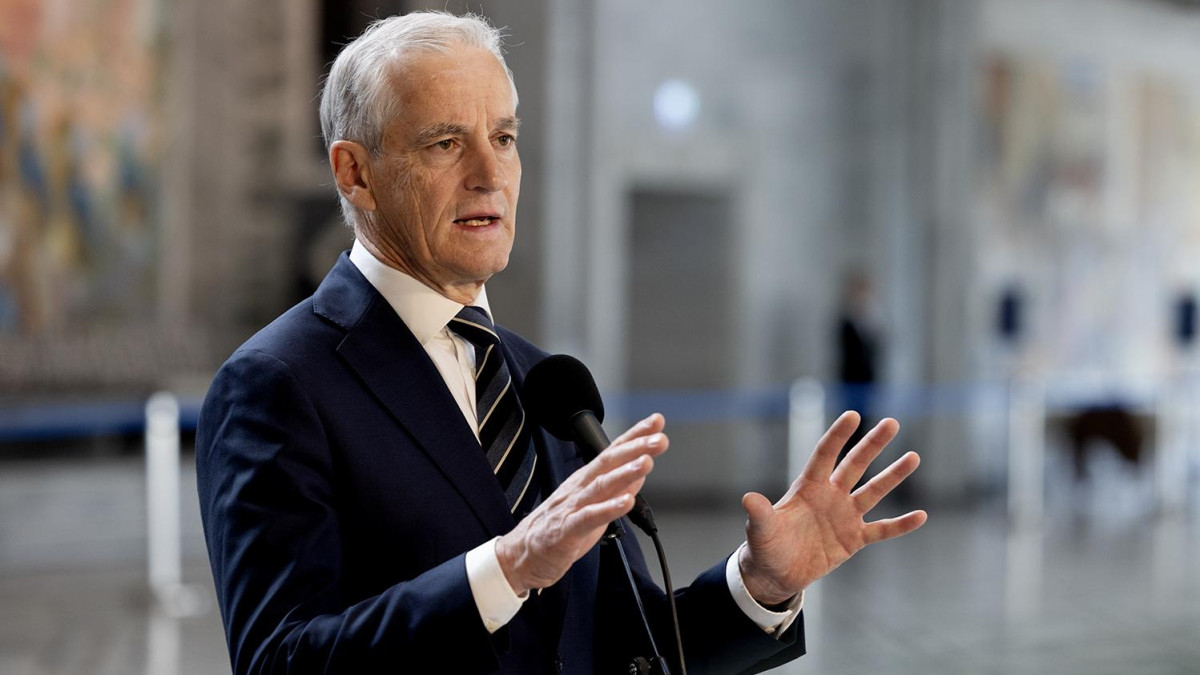
The government announces it will pursue a responsible fiscal policy.
Fot. Stine Østby (Flickr.com, CC BY-NC 2.0)
During the 2025 election campaign, the Labour Party ran under the slogan "Rate cuts for everyone – or tax breaks for the few?" The party promised a 0.5 percentage point reduction in the interest rate. According to the party's calculations, this would mean a drop in annual interest costs of NOK 15,000 on a NOK 4 million loan. Such a cut has not yet happened. The reference rate has remained at 4 percent since September.
Inflation Higher Than Forecast
On February 10, Statistics Norway (SSB) published January's inflation data. Core inflation rose by 3.4 percent year-on-year. That is 0.5 percentage points higher than Norges Bank had forecast. The central bank had expected an increase of 2.9 percent.
DNB's chief economist Kjersti Haugland described the data as "surprising." In her view, Norway is facing an inflation problem. Previously, the market expected one or two rate cuts in 2026. Now, some brokerage houses consider this scenario unlikely.
DNB Carnegie senior economist Kyrre Aamdal said that after the new data, he no longer expects any cuts. In his opinion, the reference rate may remain unchanged for several more years. This is a change from previous forecasts. The market is reacting to persistent price pressures.
DNB's chief economist Kjersti Haugland described the data as "surprising." In her view, Norway is facing an inflation problem. Previously, the market expected one or two rate cuts in 2026. Now, some brokerage houses consider this scenario unlikely.
DNB Carnegie senior economist Kyrre Aamdal said that after the new data, he no longer expects any cuts. In his opinion, the reference rate may remain unchanged for several more years. This is a change from previous forecasts. The market is reacting to persistent price pressures.
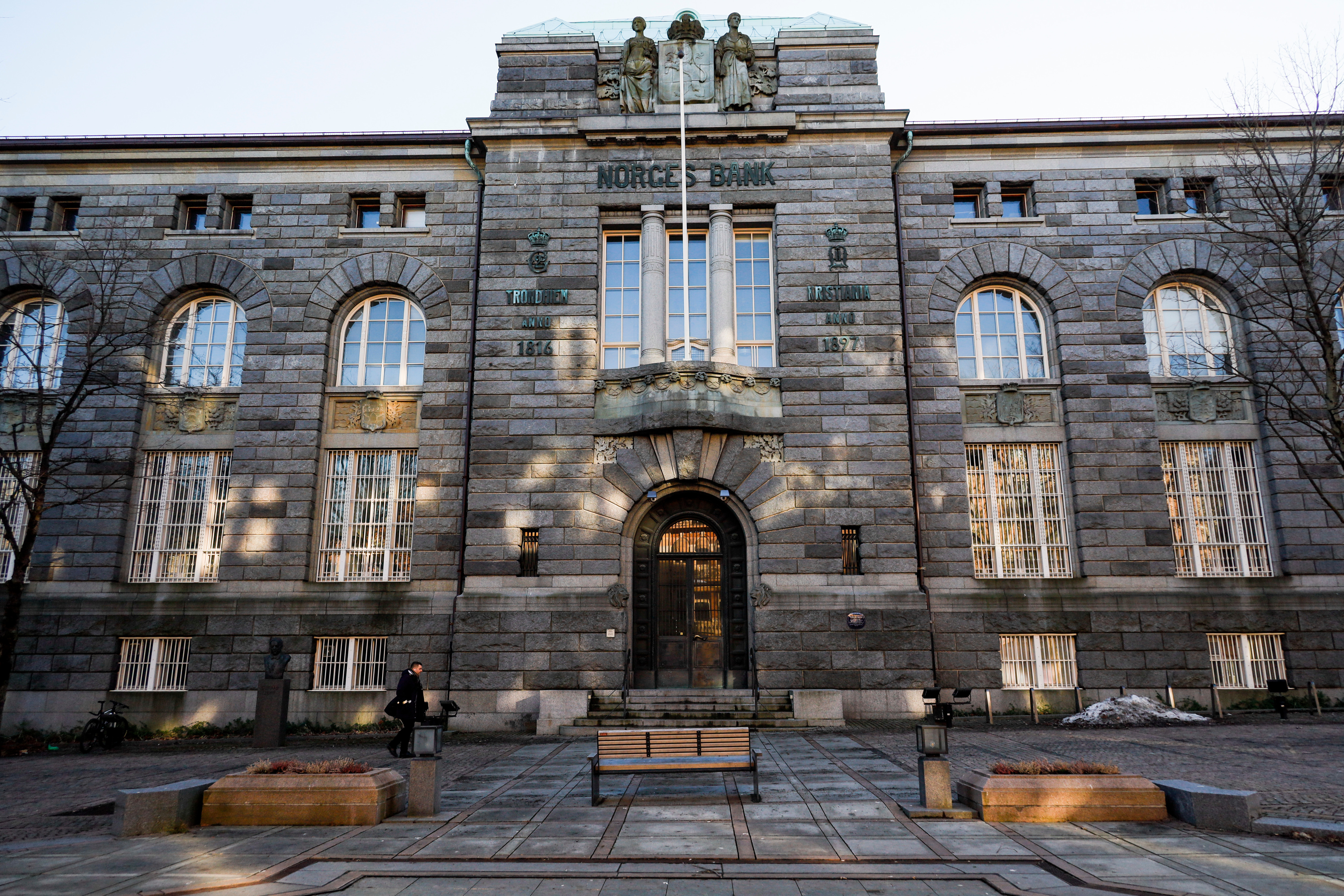
The Prime Minister emphasizes that Norges Bank sets the interest rates.Photo: stock.adobe.com/ Alexander/ editorial use only
Prices Rising Across the Board
SSB emphasizes that price increases are broad-based. Few groups of goods and services are seeing declines. The index is being driven up by, among other things, rents, clothing, airline tickets, and insurance. The rise in insurance prices is particularly noticeable.
Insurance prices rose by 16.6 percent over the year. Airline tickets became 11.2 percent more expensive year-on-year. Rents traditionally rise in January when landlords update rates. This further boosted the January reading.
Prime Minister Jonas Gahr Støre admits that fighting inflation is difficult. He points to both domestic and international factors. He stresses that Norges Bank is responsible for setting interest rates. The government declares it will pursue a responsible fiscal policy.
Insurance prices rose by 16.6 percent over the year. Airline tickets became 11.2 percent more expensive year-on-year. Rents traditionally rise in January when landlords update rates. This further boosted the January reading.
Prime Minister Jonas Gahr Støre admits that fighting inflation is difficult. He points to both domestic and international factors. He stresses that Norges Bank is responsible for setting interest rates. The government declares it will pursue a responsible fiscal policy.
The promise of a 0.5 percentage point rate cut, presented during the election campaign, remains part of the government's position. At the same time, Norges Bank Governor Ida Wolden Bache has called for an end to making such promises. She pointed out that economic conditions are changing too rapidly to make binding declarations.
How do you rate this article?