War Hits Agriculture. Fertilizer Sales Suddenly Halted in Norway
The conflict with Iran may impact the global food system. In Norway, fertilizer sales to farmers have been suspended. Only those who placed orders earlier will receive deliveries.

Agriculture is increasingly looking for ways to fertilize more efficiently.
Fot. Adobe Stock, licencja standardowa (zdjęcie poglądowe)
A significant portion of the ingredients needed for fertilizer production are transported from the Persian Gulf region. Raw materials pass through the Strait of Hormuz. These include urea, ammonia, and phosphates. Halting transport in this area could quickly affect global fertilizer production. Companies in the agricultural and fertilizer sectors are monitoring the situation.
Fertilizer Sales Suspended in Norway
The spring fieldwork season is approaching in Norway. Fertilizer distributor Felleskjøpet has stopped accepting new orders. The company reports that the market situation is uncertain. There may be sudden and unpredictable changes in prices and supply. Sales have been suspended until further notice.
Most fertilizers used by Norwegian farmers enter the market through Felleskjøpet Agri and Felleskjøpet Rogaland Agder. About 70 percent of farmers have already placed orders. Many farms do this well in advance, even in the summer of the previous year. Some farmers have already received deliveries. About one third of farms did not manage to order fertilizer before the conflict broke out.
Most fertilizers used by Norwegian farmers enter the market through Felleskjøpet Agri and Felleskjøpet Rogaland Agder. About 70 percent of farmers have already placed orders. Many farms do this well in advance, even in the summer of the previous year. Some farmers have already received deliveries. About one third of farms did not manage to order fertilizer before the conflict broke out.
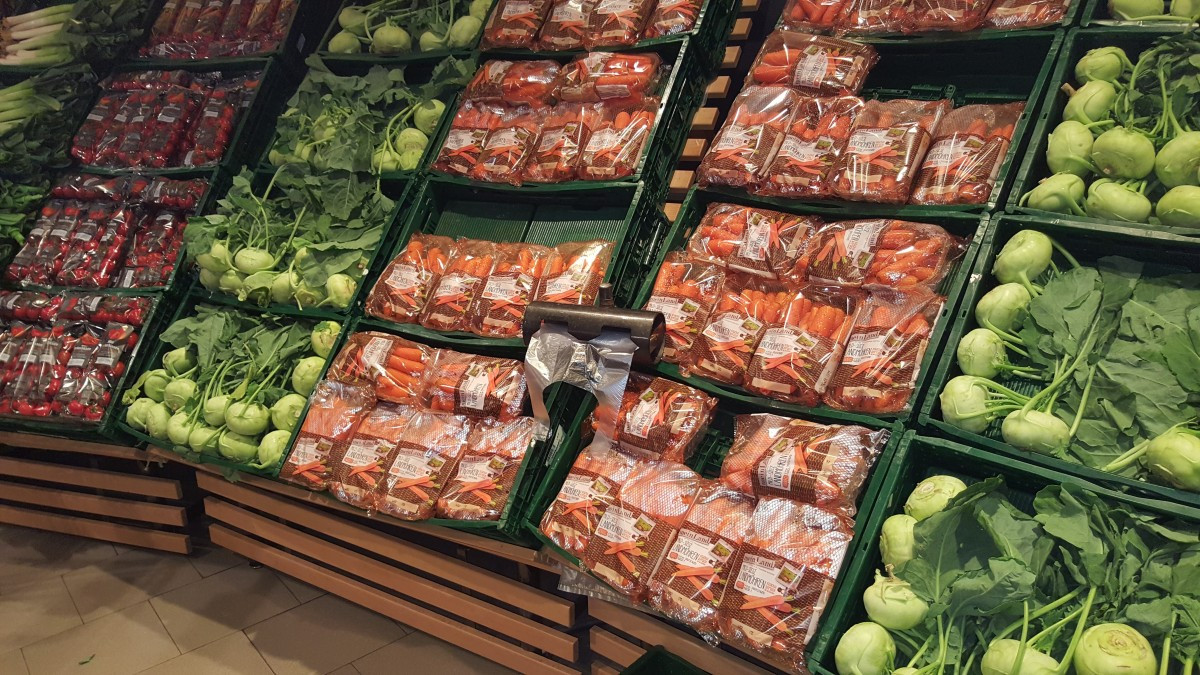
A decline in agricultural production affects food prices.Photo: pxhere.com / CC0 Public Domain
Risk to Global Food Production
One third of the key ingredients needed for fertilizer production are transported from the Persian Gulf region. Ships carrying raw materials have been halted. This could threaten the production of fertilizers used worldwide. Fertilizer company Yara has reported on the situation. The company points to possible consequences for the food system.
Yara's plants require urea, ammonia, and phosphates to produce fertilizers. The company emphasizes that fertilizers play a key role in food production. According to the company, a lack of fertilization for just one season can reduce yields by up to 50 percent. At the same time, some fertilizer production in the region has been limited. Rising raw material prices are an additional problem.
Yara's plants require urea, ammonia, and phosphates to produce fertilizers. The company emphasizes that fertilizers play a key role in food production. According to the company, a lack of fertilization for just one season can reduce yields by up to 50 percent. At the same time, some fertilizer production in the region has been limited. Rising raw material prices are an additional problem.
Fertilizer distributors in Norway assure that current stocks are sufficient to fulfill orders placed before the sales suspension. The decision to halt new orders took effect on Tuesday at 7 p.m. The market situation remains uncertain. Further developments depend on the course of the conflict and the ability to transport raw materials from the Persian Gulf region. In the coming weeks, this may affect fertilizer availability in many countries.
How do you rate this article?