The World on the Brink. The Market 'Pretends' Not to See the Energy Crisis
The International Energy Agency warns of the biggest energy shock in history following the outbreak of war involving Iran. Despite this, financial markets remain relatively calm.
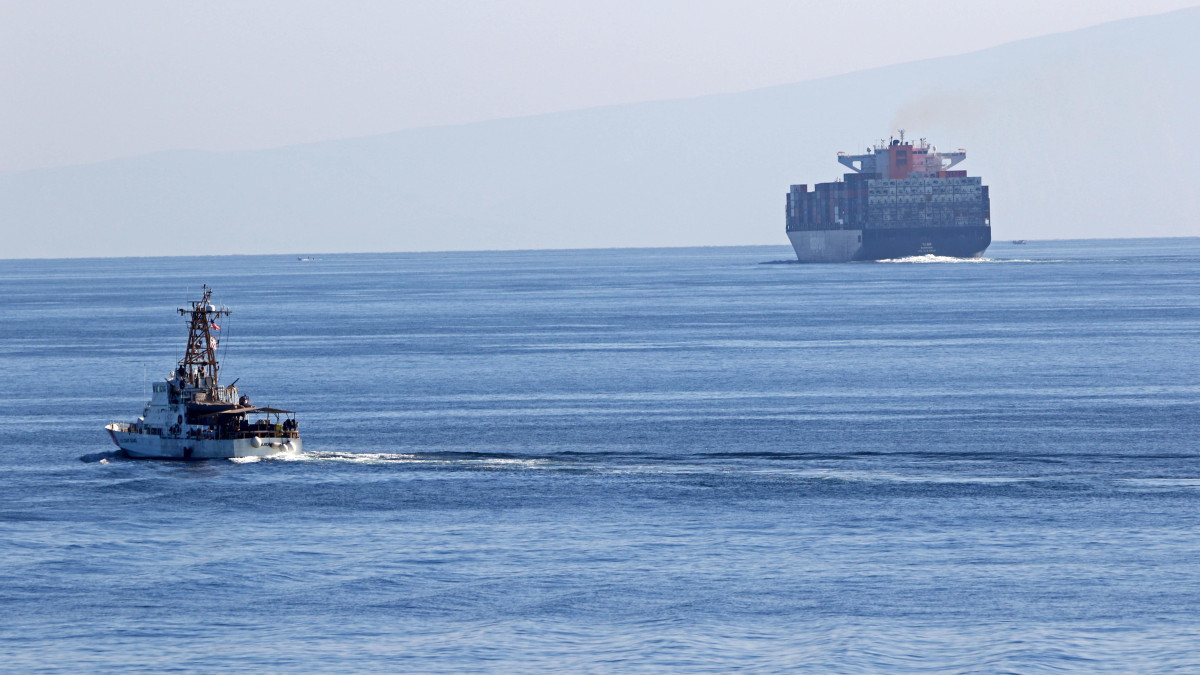
The situation in the Strait of Hormuz is analyzed almost daily by commodity market experts.
Fot. MC2 Indra Beaufort, Public domain, via Wikimedia Commons
The conflict in the Middle East is worsening global economic prospects. The IMF (International Monetary Fund) points to the risk of rising inflation and slowing growth. There are concerns about jet fuel shortages in Europe. At the same time, the S&P 500 index in the US has reached new highs. The price of oil remains below its historical peaks.
The Market Ignores the Risk. What's Next for Oil and Gas?
The price of oil fluctuates between $108 and $114 per barrel. This is lower than the 2008 record, which, adjusted for today’s value, would be about $220. Investors are betting on a quick end to the conflict. Futures contracts indicate falling prices in the coming months, and the market expects a return to stability.
About 10 million barrels a day are not passing through the Strait of Hormuz. The world consumes over 100 million barrels daily. This is the largest supply disruption, analysts report. Nevertheless, the market reaction is limited. It is also important to note that inflation at the start of the crisis was lower than in 2022.
About 10 million barrels a day are not passing through the Strait of Hormuz. The world consumes over 100 million barrels daily. This is the largest supply disruption, analysts report. Nevertheless, the market reaction is limited. It is also important to note that inflation at the start of the crisis was lower than in 2022.
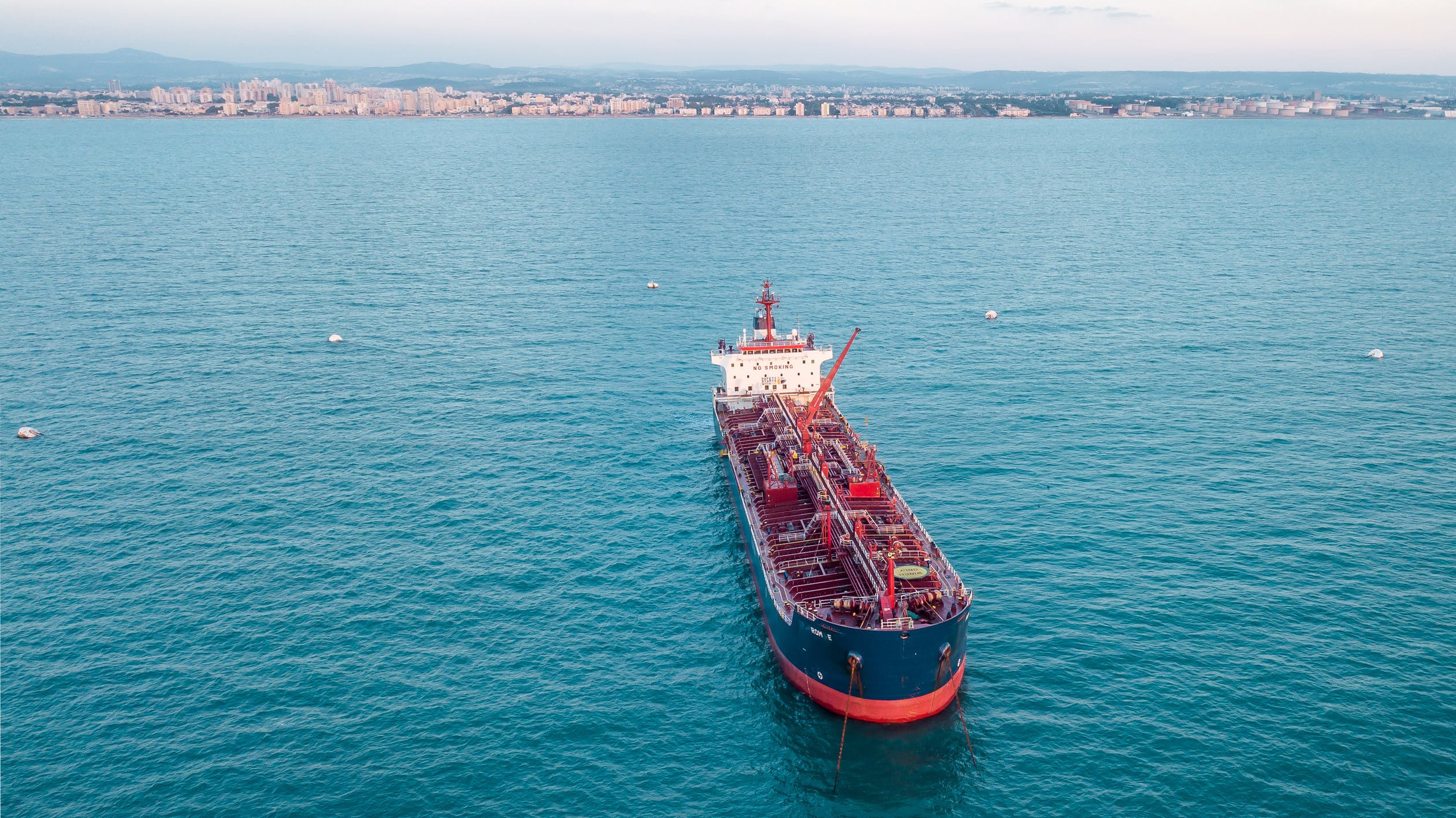
Some of the oil shipped before the escalation of the conflict reached recipients only in March and April.Photo: pexels.com / CC0
The Specter of a Sharp Price Increase. Will Commodities Become More Expensive Again?
Experts point to the risk of a sudden price surge. A prolonged closure of the Strait of Hormuz means oil shortages. Stocks are being depleted rapidly worldwide, and new supplies are not arriving on a sufficient scale. The ability to use reserves is limited.
Expert estimates point to prices rising above $150 per barrel of oil. In an extreme scenario, the level could exceed $200. This also applies to diesel and jet fuel. Higher prices are expected to curb demand. An example is the Philippines, where a four-day workweek has been introduced.
Expert estimates point to prices rising above $150 per barrel of oil. In an extreme scenario, the level could exceed $200. This also applies to diesel and jet fuel. Higher prices are expected to curb demand. An example is the Philippines, where a four-day workweek has been introduced.
Many countries are responding with tax cuts and support systems. Measures cover transport, agriculture, and households. At the same time, there is a focus on greater energy efficiency and less dependence on oil than in previous decades.
How do you rate this article?