Synthetic fashion was supposed to be more eco-friendly. Scientists checked what really ends up in the environment
Recycled polyester is increasingly appearing in clothing stores. However, new research indicates that the material may be more harmful to health and the environment than polyester made from new raw materials.

The fashion industry is one of the largest sources of greenhouse gas emissions.
Fot. Fotolia (zdjęcie poglądowe)
Many clothes advertised as eco-friendly are made from so-called recycled polyester, which is often produced from plastic bottles. Research shows that this material may release more microplastics during washing. As a result, questions arise about its real impact on the environment and human health.
Recycled polyester and microplastics
Elisabeth Opsal, a student of tailoring and textile crafts at Godalen High School in Stavanger, tries to avoid polyester clothing. As she told NRK, the material is harder to recycle. She also points out that it is plastic. In her opinion, the effects of microplastics in the human body are not yet fully understood.
A new study conducted at Çukurova University in Turkey highlights the differences between new and recycled polyester. According to the results, clothes made from recycled polyester release 55 percent more microplastic particles during washing than polyester produced from new raw materials. Smaller fibers more easily enter the environment and can also be inhaled by people.
A new study conducted at Çukurova University in Turkey highlights the differences between new and recycled polyester. According to the results, clothes made from recycled polyester release 55 percent more microplastic particles during washing than polyester produced from new raw materials. Smaller fibers more easily enter the environment and can also be inhaled by people.
Microplastics from textiles are one of the main sources of microplastics in the oceans.Photo: stock.adobe.com/standard license
Clothes made from plastic bottles
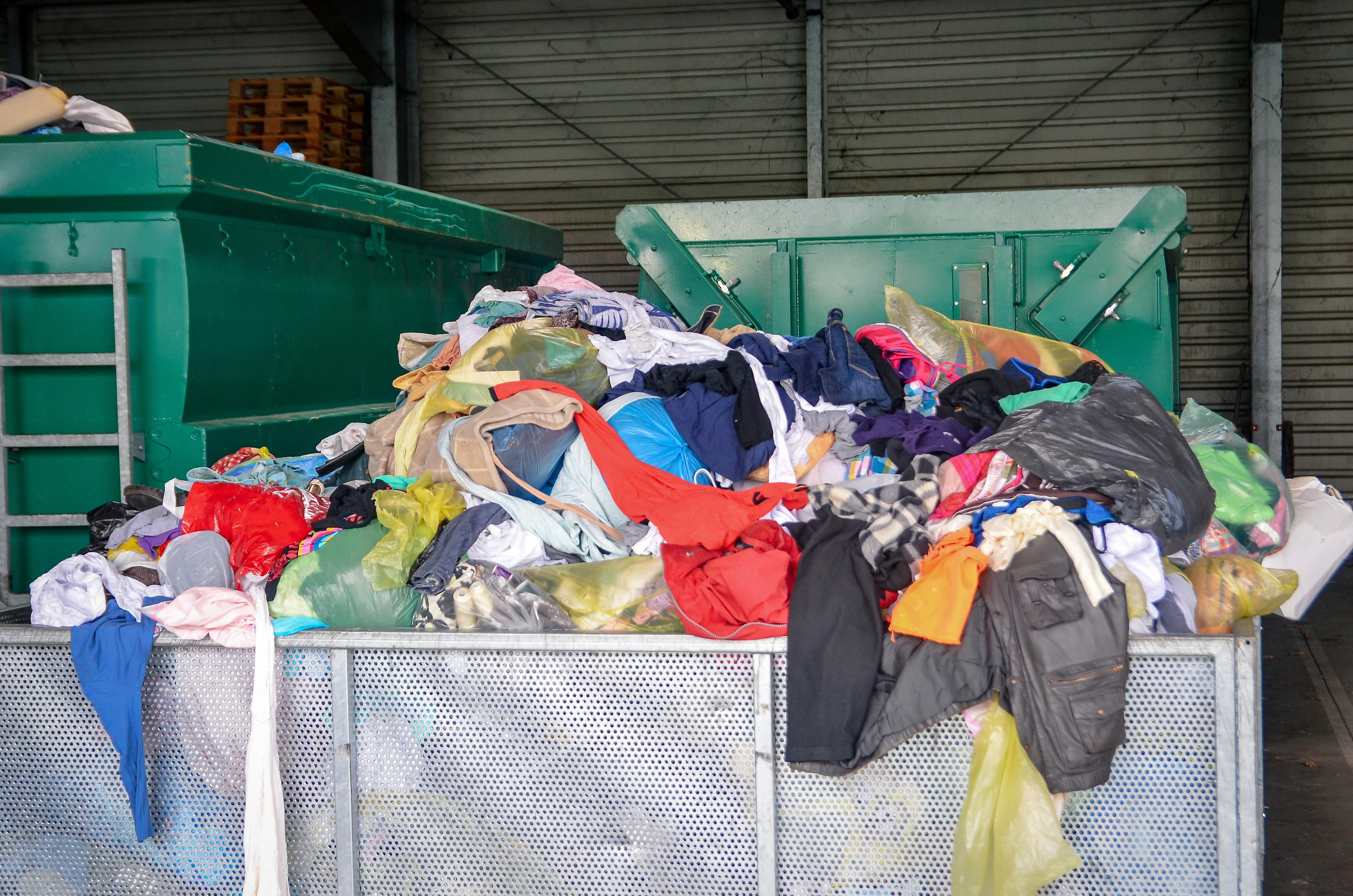
According to a 2025 report by the Textile Exchange organization, as much as 98 percent of recycled polyester is made from plastic bottles. It does not come from old clothes. This means that material previously used for packaging is now being used by the textile industry. After the clothing is worn out, it often does not return to recycling. As a result, it ends up in landfills or incinerators.
Professor Ingunn Grimstad Klepp, a researcher in clothing and sustainable fashion at the SIFO Consumption Research Institute at Oslo Metropolitan University, emphasizes that the term "recycled polyester" can be misleading. The material often comes from packaging plastic, not old textiles. In her opinion, the term is sometimes used in marketing to suggest greater eco-friendliness of products.
Professor Ingunn Grimstad Klepp, a researcher in clothing and sustainable fashion at the SIFO Consumption Research Institute at Oslo Metropolitan University, emphasizes that the term "recycled polyester" can be misleading. The material often comes from packaging plastic, not old textiles. In her opinion, the term is sometimes used in marketing to suggest greater eco-friendliness of products.
The Norwegian Consumer Protection Authority reminds that companies may inform about the use of recycled polyester. However, any suggestion of environmental benefits must be supported by appropriate evidence. The authority emphasizes that entrepreneurs are responsible for the truthfulness of all marketing communications. Consumers are advised to pay attention to environmental labels and the quality of the clothes they buy.
How do you rate this article?