Spring is shifting on the calendar. Meteorologists show how much winter has changed in Norway
Spring is arriving earlier and earlier in many regions of Norway. New data from the Norwegian Meteorological Institute shows that winter is shortening by as much as two weeks. In some cities, the number of winter days has clearly decreased in recent decades.
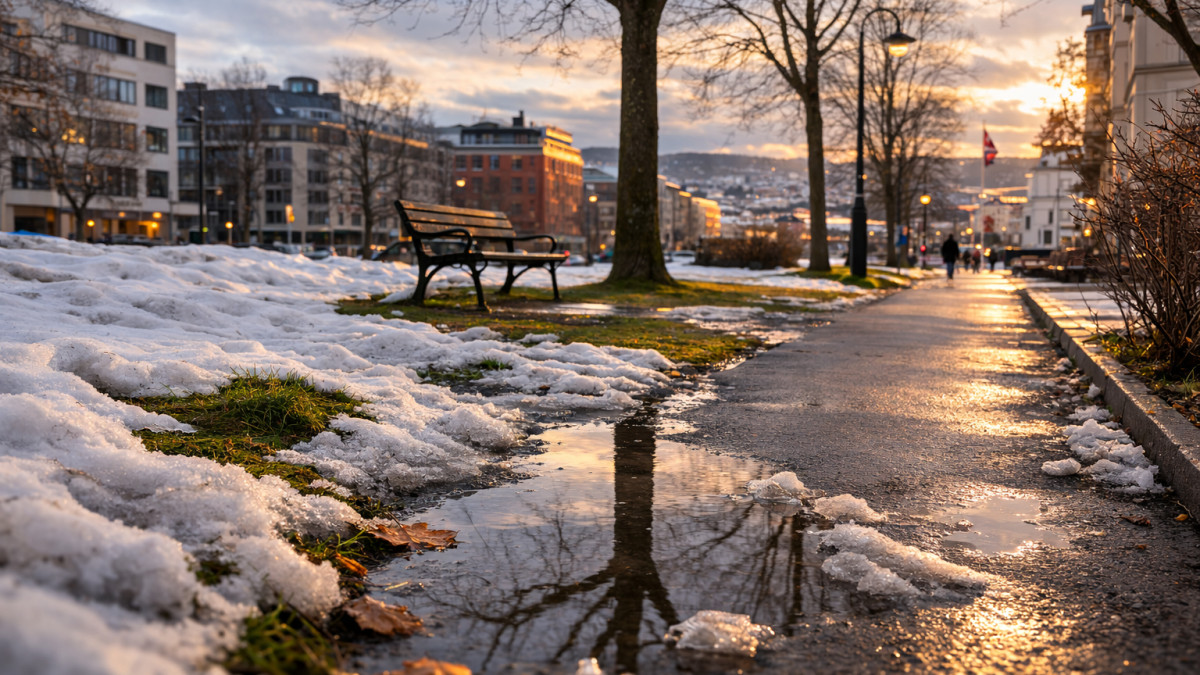
In many places, rain will fall more often instead of snow.
Fot. Wygenerowano przy pomocy AI
Meteorologists are analyzing changes between two 30-year measurement series: 1961-1990 and 1991-2020. The data indicate a clear shift in the start of meteorological spring. In many places, it now arrives earlier than in previous decades. The changes are especially visible in the southern part of the country and in coastal regions.
Spring is coming earlier
Meteorological spring begins when the average daily temperature reaches at least 0 degrees and continues to rise. According to researchers, this situation now occurs earlier than in the past. In many places, the difference is about two weeks. In some regions, it is even greater.
The changes are more visible in the south of the country and along the coast. In the colder parts of Norway, the shift in the start of spring is smaller. However, climatologists point to one common trend for the entire country: temperatures are rising, and the winter season is gradually shortening.
The changes are more visible in the south of the country and along the coast. In the colder parts of Norway, the shift in the start of spring is smaller. However, climatologists point to one common trend for the entire country: temperatures are rising, and the winter season is gradually shortening.

Faster snowmelt affects river water levels.Photo: Adobe Stock, standard license (illustrative photo)
Fewer and fewer winter days
Data from the Norwegian Meteorological Institute show a decrease in the number of winter days in many cities. In Oslo, from 1991-2020, there were on average 22 fewer winter days than in the previous 30-year period. In Bodø, the number of such days dropped by 48. In Røros, the change was much smaller, amounting to two days.
In some coastal cities, winter conditions now occur less frequently than before. This applies to, among others, Kristiansand, Stavanger, and Bergen. According to meteorologists, these cities in many years no longer meet the criteria for meteorological winter. At the same time, scientists observe a general decrease in the number of days with snow and temperatures below zero.
In some coastal cities, winter conditions now occur less frequently than before. This applies to, among others, Kristiansand, Stavanger, and Bergen. According to meteorologists, these cities in many years no longer meet the criteria for meteorological winter. At the same time, scientists observe a general decrease in the number of days with snow and temperatures below zero.
Forecasts from the Norwegian Climate Services Center indicate that by 2100, snow cover may continue to decrease in much of Norway. At the same time, higher temperatures mean more precipitation. In some high mountain regions, increased precipitation may still bring snow instead of rain. The scale of these changes will depend on the level of global greenhouse gas emissions in the coming years.
How do you rate this article?